
Shrubs
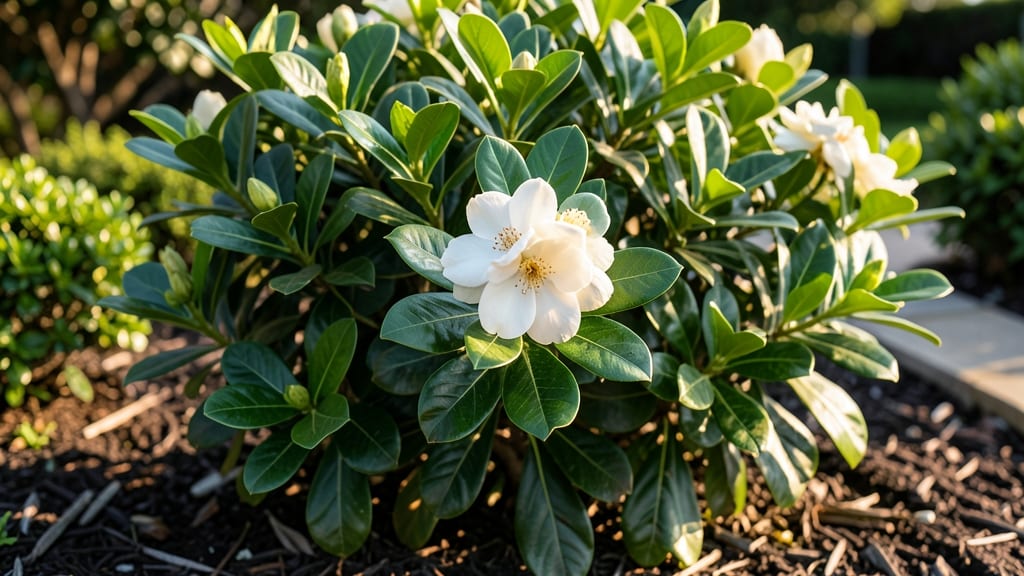
A full grown gardenia bush 🌸 can reach 4 to 6 feet tall and become the fragrant centerpiece of your garden—but only if you know how to care for it at this stage.
That intoxicating gardenia fragrance isn’t just a seasonal bonus—it’s a year-round possibility if you master the art of pruning your full grown gardenia bush. But when, how, and why should you trim these tropical beauties?
Most gardeners struggle with pruning because they don’t realize it’s the key to keeping your gardenia lush, blooming, and disease-free. Without the right timing and technique, you could accidentally stunt growth or invite pests.
In this guide, I’ll walk you through everything from the best pruning seasons to step-by-step techniques, so your gardenia stays healthy, fragrant, and full of life all year.
When and why to prune a full grown gardenia bush for maximum blooms
Your full grown gardenia bush thrives on balance—too much growth means fewer blooms, while neglect leads to leggy, sparse stems. Pruning isn’t just about shaping; it’s a growth hack that triggers more fragrant blooms by redirecting energy to new stems.
The key? Timing and technique. Gardenias are tropical plants, so they respond best to pruning when they’re entering their active growing season, not during dormancy.
Many gardeners mistakenly prune in late fall or winter, but this stresses the plant. Instead, spring pruning (just as new growth begins) or light summer pruning (after blooming) aligns with nature’s cycle.
Think of it like giving your gardenia a haircut after a shower—fresh, clean, and ready to shine. The goal is to encourage dense foliage and abundant blooms while maintaining airflow to prevent disease.
Here’s the science: Pruning stimulates auxin production, a plant hormone that promotes lateral bud growth. When you cut back overgrown stems, you’re essentially telling the plant, “Focus energy here!”
This leads to thicker foliage and more flowering nodes. But timing is critical—prune too early, and you’ll delay blooming; too late, and you risk winter damage.
Your gardenia sends clear signals when it’s time to prune. Watch for leggy stems stretching toward light, sparse blooms despite healthy foliage, or a crowded center that blocks airflow. These are red flags that your plant is overgrown and stressed.
Another clue? If your gardenia’s flowers are smaller than usual, it’s likely diverting energy to support weak stems instead of blooms.
Pruning isn’t just about cutting back—it’s about strategic shaping. Aim to create an open, vase-like structure to prevent humidity buildup (gardenias love moisture but hate rot). Start by removing dead or crossing branches first, then thin out overly dense areas to let sunlight penetrate.
Use clean, sharp pruners to make 45-degree cuts just above a leaf node or bud.
One common mistake is over-pruning, which can shock your gardenia into dormancy. Never remove more than 1/3 of the plant in a single session. For a full grown gardenia bush (4-6 feet tall), this means trimming back 12-18 inches of old wood at most.
If you’re unsure, err on the side of light pruning—you can always do more next season.
After pruning, your gardenia will need extra care to recover. Water deeply to hydrate the roots, then apply a balanced fertilizer (like 10-10-10) to support new growth. Avoid fertilizing in late summer or fall, as this can stimulate tender shoots that won’t survive winter.
Instead, focus on mulching with acidic compost to protect roots and retain moisture.
Pro tip: Prune on a dry, cloudy day to reduce stress on the plant. If you notice sap oozing from cuts, it’s normal—just wipe it away with rubbing alcohol to prevent bacterial infections.
Within 4-6 weeks, you’ll see new shoots forming, and by next bloom season, your gardenia will reward you with double the fragrance.
Remember, gardenias are tropical plants, so they hate cold snaps. If you’re in USDA Zone 6 or colder, prune lightly in early spring and avoid heavy cuts that expose tender wood. A well-pruned gardenia isn’t just prettier—it’s healthier, with stronger stems and more resilient blooms.
Step-by-step pruning techniques for a healthier, more fragrant gardenia
Pruning your full grown gardenia bush isn’t just about shaping—it’s a crucial step to boost fragrance and bloom production. The right cuts encourage airflow and redirect energy to new growth, while wrong cuts can stress your plant.
Start by gathering your tools and understanding the cutting angles that promote healing.
Your gardenia thrives when pruned in late winter or early spring, just before new growth begins. This timing ensures you’re not removing next year’s flower buds or exposing tender wood to cold damage.
Avoid pruning in fall or winter, as this can leave your plant vulnerable to frost and pests.
🌿 Step-by-Step Pruning Guide for Your Full Grown Gardenia Bush
-
Step 1: Gather Your Tools
- ✂️ Sharp bypass pruners (for clean cuts)
- 🪴 Garden shears (for thicker branches)
- 🧼 Rubbing alcohol (to sterilize tools)
- 🧤 Gloves (to protect from thorns)
-
Step 2: Remove Dead or Diseased Wood
- Cut 1/4 inch above a healthy bud or branch
- Angle cuts 45 degrees to prevent water pooling
- Dispose of infected branches in a sealed bag
-
Step 3: Shape for Airflow
- Thin out crowded branches to improve light penetration
- Keep the center open to reduce humidity buildup
- Avoid cutting more than 1/3 of the plant at once
-
Step 4: Encourage New Growth
- Trim overly long branches to encourage bushier growth
- Focus cuts on outer stems to maintain the natural shape
- Leave 3-4 buds on each remaining stem
-
Step 5: Post-Pruning Care
- Apply mulch around the base to retain moisture
- Water deeply to help the plant recover
- Fertilize with acidic fertilizer in 4-6 weeks
One of the most common mistakes is using dull tools, which tear the bark and invite disease. Always sterilize your pruners with rubbing alcohol between cuts to prevent spreading pathogens. Another pitfall is over-pruning, which can shock your gardenia and reduce blooming potential for the season.
After pruning, monitor your gardenia for new growth within 4-6 weeks. If you notice yellowing leaves or dropping buds, it may signal stress from over-pruning or incorrect cuts. Adjust your approach for next time by focusing on smaller, strategic cuts rather than aggressive trimming.
With the right technique, your full grown gardenia bush will reward you with lush foliage and intensified fragrance all year. Remember, patience and precision are key—your gardenia will thank you with vibrant blooms and a heavier scent than ever before! 🌸