
Advice
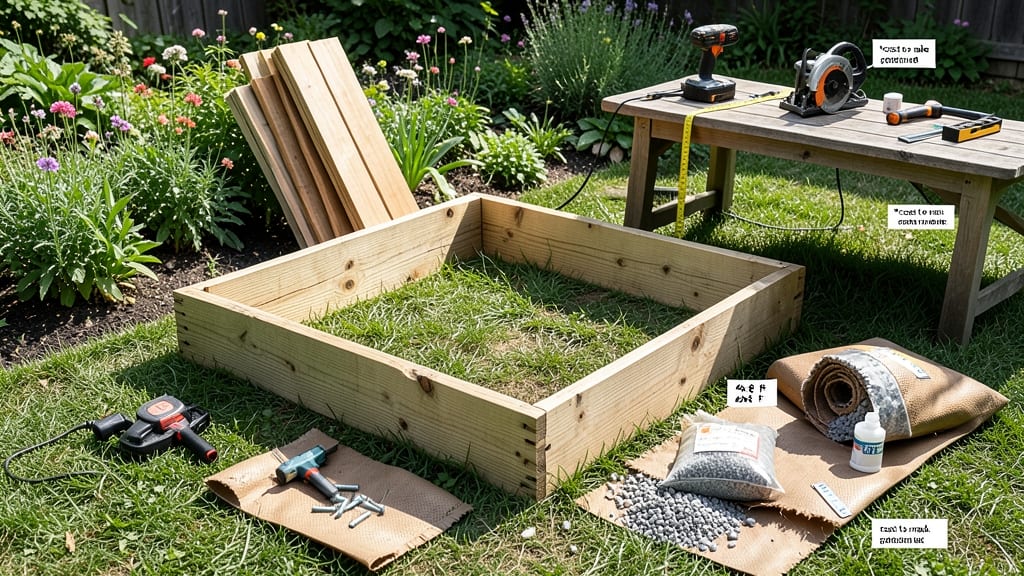
The cost to make a raised garden bed ranges from $50–$500+, influenced by factors like bed dimensions (4’x8’ beds typically land between $100–$300), lumber choices (cedar costs more than pine), and whether you build it yourself or hire professionals. Basic starter kits begin around $50, while high-end cedar beds with hardware can climb past $500.
Building a raised garden bed is one of the most cost-effective ways to create a thriving garden space, especially when you consider the long-term benefits of controlled soil quality and reduced weed pressure. 🌱 The price differences come down to material selection—cedar lasts longer but costs more upfront, while pine offers a budget-friendly alternative that may need replacement in 5-7 years.
I’ve found that adding hardware like corner brackets (around $5–$10 each) can significantly improve stability, especially for taller beds, without breaking the bank.
For those working with tighter budgets, repurposing materials like untreated pallets or cinder blocks can cut costs dramatically, though they may require extra effort for weatherproofing.
Pre-fab kits offer a middle ground, often including all necessary hardware and instructions for around $100–$250, making them ideal for beginners who want professional results without the DIY learning curve.
💡 In This Article
- Material Cost Breakdown for DIY Raised Garden Beds
- Budget-Friendly Raised Garden Bed Alternatives
Material cost breakdown for DIY raised garden beds
The foundation of your raised bed's cost lies in the lumber choice, where cedar leads the premium tier at $8–$12 per board foot—its natural rot resistance and aromatic qualities make it ideal for longevity.
A standard 4'x8'x12" bed using 2x6 cedar boards (4 sides × 8 boards each) will cost roughly $200–$300 for the wood alone. Pine, at $3–$6 per board foot, cuts costs by nearly half, but its 5–7 year lifespan means eventual replacement—adding long-term expenses.
Hardware plays a surprising role in stability and durability. Galvanized corner brackets ($5–$10 each) add $20–$40 to a project but prevent wood warping over time. For taller beds (18"+), consider 3/4" deck screws ($15–$25 per pound) instead of nails—they hold better under soil weight.
Skimping here can lead to structural failures, especially in wet climates where wood expands. 🌧️ The soil itself isn't free either: A 4'x8' bed filled to 12" depth needs 1.5–2 cubic yards of quality mix (topsoil + compost), costing $100–$250 depending on local prices.
Labor costs vary wildly—DIY saves $150–$500+, while hiring a pro adds $50–$150/hour for assembly. I've seen custom cedar beds with built-in irrigation jump to $800+ when factoring in labor.
The sweet spot? Pre-fab kits ($100–$250) include all materials and often hardware, making them the most cost-effective for beginners who want professional-grade results without the guesswork.
Size matters more than you'd think. A 2'x4' bed might cost $50–$100 in cedar, but scaling up to 8'x12' increases material costs by 400%+ due to linear measurements. The key is balancing your planting needs with material costs—overbuilding wastes money, while undersizing limits your harvest potential.
For example, a 4'x8' bed gives enough space for 16 tomato plants or 32 lettuce heads, making it the most efficient size for home gardens.
Don't overlook the hidden costs: Weed barriers ($1–$3 per square foot) prevent invasive roots, while landscape fabric ($10–$20 per roll) extends bed life.
I've found that adding 1" of gravel at the bottom improves drainage and adds $15–$30 to the project—but prevents waterlogging that can kill roots. These extras often get overlooked in initial budgeting but pay dividends in garden health.
For those prioritizing sustainability, composite lumber ($12–$18 per board foot) lasts 20+ years but costs nearly double cedar. The trade-off? It never needs staining or sealing, saving $50–$100 every few years.
If you're on a tight budget, untreated pine with waterproof sealant ($20–$40 per gallon) can stretch your dollar while still delivering 3–5 years of service.