
Watering
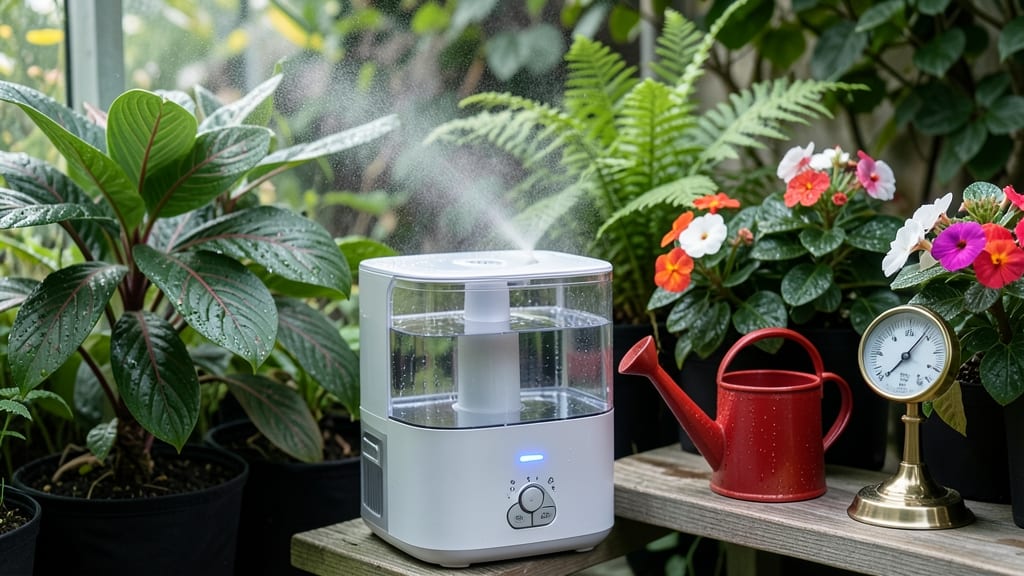
A cool mist garden creates a humid microclimate by spraying fine water droplets into the air, ideal for tropical plants that thrive in 50-80% humidity. This setup mimics natural rainforest conditions, preventing leaf browning and promoting lush growth without overwatering soil directly.
A cool mist garden is essentially a controlled humidity chamber for your plants. 🌿 The fine misting system doesn't just add moisture—it creates a balanced environment that prevents fungal issues while keeping leaves supple.
Unlike traditional misting, which can leave surfaces wet too long, cool mist systems distribute water evenly, reducing the risk of root rot while still delivering the humidity tropical plants crave. This makes it perfect for delicate varieties that wilt in dry air but can't tolerate soggy soil.
For best results, place your cool mist garden near indirect sunlight and monitor humidity levels with a hygrometer. 💛 Many tropical plants, like ferns and orchids, will show immediate improvement in leaf health when the humidity stays consistently between 60-70%.
The key is finding that sweet spot where your plants get enough moisture without becoming waterlogged—this system gives you precise control over that balance.
💡 In This Article
- How Cool Mist Systems Boost Plant Health
- Top 10 Humidity-Loving Plants for Cool Mist Gardens
How cool mist systems boost plant health
The magic of a cool mist garden lies in its ability to create a microclimate with humidity levels between 50-80%, which is crucial for tropical plants.
Unlike traditional watering that only hydrates the soil, these systems release ultrafine water droplets (10-50 microns) that evaporate slowly, maintaining moisture in the air.
This mimics the natural conditions of rainforests, where plants experience constant humidity without waterlogging. 🌧️ The key difference from regular misting is the droplet size—cooler mist systems produce particles so small they remain suspended in the air longer, creating a more even distribution of moisture.
This controlled humidity environment prevents two major plant stressors: leaf browning and fungal diseases. When air is too dry, plants lose moisture through transpiration faster than they can absorb it, causing crispy edges on leaves. The cool mist system replenishes this moisture before it becomes a problem.
Additionally, the consistent humidity inhibits the growth of pathogens like powdery mildew, which thrive in alternating dry-wet conditions. Studies show that maintaining 60%+ humidity can reduce fungal infections by up to 70% in susceptible plants like ferns and calatheas.
The temperature regulation aspect is equally important. Cool mist systems typically operate at 50-60°F, which helps stabilize the air temperature around plants. This is particularly beneficial for tropical species that wilt in dry, hot conditions.
For example, a calathea plant might develop brown patches in a dry room at 75°F but thrive when the humidity is elevated to 70% and the air feels cooler. The evaporation process also creates a gentle cooling effect, similar to how misting stations work in livestock barns to regulate temperature.
One common misconception is that all misting systems work the same way. Traditional misting systems often produce larger droplets (100+ microns) that can pool on leaves, creating ideal conditions for fungal growth.
Cool mist systems, however, use specialized nozzles that produce a fine fog with a higher surface area to volume ratio, allowing for better evaporation and more efficient moisture distribution. This distinction is why cool mist gardens are particularly effective for delicate plants that can't tolerate wet foliage for extended periods.
To maximize benefits, place your cool mist system near the plants but not directly overhead—aim for 12-18 inches away to ensure even coverage. The system should run for 5-10 minutes every 1-2 hours during dry periods, depending on your local climate.
For example, in a 4x6 ft grow area, a system running for 8 minutes every hour can maintain optimal humidity levels without over-saturating the environment. 🌿 The key is consistency: irregular misting can create more stress than no misting at all.
Consider adding a hygrometer to monitor humidity levels in real-time. Many tropical plants show visible signs of distress when humidity drops below their ideal range—look for curled leaves or yellowing edges as indicators.
With a cool mist system, you can create an environment where your plants don't just survive but thrive, with lush foliage and vibrant growth that's hard to achieve through traditional watering methods alone.