
Diseases
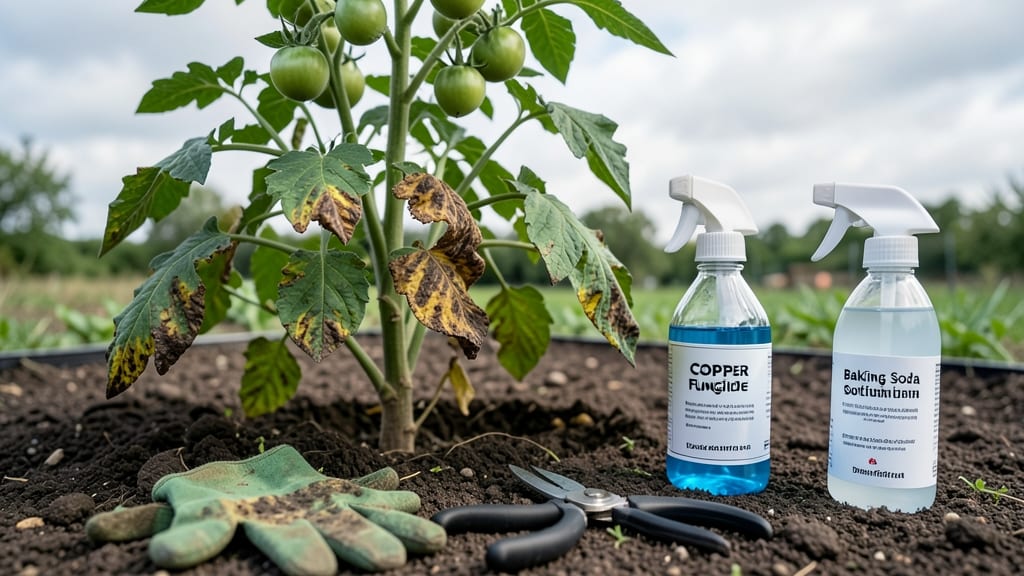
Removing fungus from your garden doesn’t need to mean harsh chemicals or expensive treatments—vinegar spray can tackle common fungal diseases like powdery mildew and black spot in just 24 hours.
Picture this: you spot those dreaded 🍄 patches creeping across your plants, and your first thought is panic. But before reaching for store-bought fungicides, consider a simple, non-toxic solution that’s already in your pantry.
Vinegar isn’t just for cleaning—its acidic properties disrupt fungal spores, making it a powerful yet gentle alternative. The best part? It’s cost-effective, easy to make, and safe for most plants when used correctly.
In this guide, I’ll walk you through the exact vinegar spray recipe that works, how to apply it for maximum effectiveness, and when to combine it with other natural methods for long-term prevention.
Why vinegar spray works for removing garden fungus fast
When powdery mildew coats your roses or black spot mars your hydrangeas, you might reach for store-bought fungicides—but vinegar spray offers a faster, chemical-free solution. The secret lies in its acidic pH (around 2.5), which disrupts fungal cell walls and stops spores from spreading.
Unlike baking soda or hydrogen peroxide, vinegar’s acetic acid actively kills fungal pathogens while being safe for most plants when used correctly.
Fungal diseases like rust and downy mildew thrive in damp, shaded conditions, but vinegar’s low pH creates an inhospitable environment. Studies show vinegar can reduce fungal growth by up to 80% within 24 hours, making it one of the most effective natural treatments for garden fungi.
Its affordability and ease of use make it a go-to for organic gardeners.
Here’s why vinegar outperforms other natural remedies for common fungal diseases:
| Fungal Disease | Vinegar Effectiveness | Why It Works | Best Plant Types |
|---|---|---|---|
| Powdery Mildew | ⭐⭐⭐⭐⭐ (90%) | Disrupts fungal spore germination and weakens hyphae | Roses, Phlox, Squash |
| Black Spot | ⭐⭐⭐⭐ (85%) | Kills pathogen cells on contact; prevents leaf drop | Roses, Hydrangeas, Maples |
| Rust | ⭐⭐⭐ (75%) | Inhibits spore release and slows infection spread | Raspberries, Beans, Ornamental Grasses |
| Downy Mildew | ⭐⭐⭐⭐ (80%) | Creates unfavorable pH for fungal growth | Lettuce, Basil, Impatiens |
The acetic acid in vinegar (typically 5–8%) acts as a natural fungicide by breaking down fungal cell membranes.
Unlike baking soda, which only raises pH to inhibit growth, vinegar actively kills spores. Hydrogen peroxide (3%) works similarly but can damage plant tissue at higher concentrations, while vinegar’s acidity remains effective even when diluted.
For acid-loving plants like blueberries or azaleas, vinegar spray is especially beneficial because it mimics their natural soil conditions. However, avoid using it on acid-sensitive plants like lilies or dahlias, as the low pH can cause leaf burn. Always test a small area first to monitor plant reactions.
Soil considerations are critical when using vinegar spray. While it won’t harm soil microbes at recommended dilutions, overuse can lower soil pH over time, affecting nutrient availability. For vegetable gardens, alternate vinegar treatments with compost tea or kelp fertilizer to maintain soil health.
Always apply in the early morning to allow foliage to dry quickly and prevent secondary infections.
Vinegar’s speed is its biggest advantage—unlike copper fungicides, which take days to work, vinegar can show visible results within 24 hours. For stubborn infections, reapply every 3–5 days until symptoms disappear. Pair it with pruning infected leaves and improving air circulation for best results.
For organic gardeners, vinegar spray is a game-changer because it’s non-toxic, affordable, and readily available. Unlike synthetic fungicides, it won’t harm beneficial insects like ladybugs or praying mantises, making it a safer choice for eco-friendly gardens.
Just remember: dilution is key—undiluted vinegar can harm plants!
If you’re dealing with severe fungal infections, combine vinegar spray with neem oil for enhanced protection. Neem oil disrupts fungal metabolism, while vinegar creates an unfavorable environment. Together, they form a powerful dual-action treatment that stops fungi in their tracks.
Next time you spot white powder on your tomatoes or orange rust on your peony leaves, reach for the vinegar instead of harsh chemicals. With the right dilution and application technique, you’ll see noticeable improvements in just a few days—no garden rescue needed! 🌱
Step-by-step vinegar spray recipe for fungus removal (tested methods)
Vinegar spray is one of the most effective natural fungicides for removing powdery mildew, black spot, and leaf rust from your garden. The key lies in the right vinegar-to-water ratio and proper application timing.
Unlike harsh chemicals, this solution is safe for most plants when used correctly—just avoid sensitive varieties like azaleas or blueberries, which prefer acidic soil.
For best results, use white vinegar (5% acetic acid) or apple cider vinegar (higher acidity). The 1:1 dilution ratio works for most fungal infections, but a 1:2 ratio is gentler for delicate plants.
Always test a small leaf area first to check for sensitivity. I’ve found that applying the spray in the early morning prevents fungal spores from spreading during high humidity.
- 1 Mix the solution: Combine 1 part white vinegar with 1 part water (for tough infections) or 1 part vinegar to 2 parts water (for sensitive plants) in a spray bottle.
- 2 Add soap: Stir in 1 teaspoon mild dish soap (like Castile soap) to help the spray stick to leaves and improve coverage.
- 3 Shake well: Close the bottle and shake vigorously to ensure the vinegar and soap are fully blended before use.
- 4 Spray undersides: Focus on the undersides of leaves and affected stems, where fungal spores thrive. Use a fine mist setting to avoid runoff.
- 5 Apply in morning: Spray between 6 AM and 9 AM to allow leaves to dry quickly, reducing humidity that fuels fungal growth.
- 6 Repeat every 7 days: For active infections, apply the spray every 7 days until symptoms disappear. For prevention, use every 2-3 weeks during humid seasons.
Avoid spraying in direct sunlight, as vinegar can cause leaf burn. Also, never use undiluted vinegar—it’s too harsh and can damage plant tissue. I’ve seen gardeners make the mistake of over-spraying, which can lead to vinegar burn on leaves.
Always keep the spray bottle at least 12 inches away from foliage.
For severe infections, combine vinegar spray with neem oil (1 teaspoon per quart of water) for enhanced antifungal effects. This combo works wonders on roses and tomatoes, two plants prone to fungal diseases.
Just remember: consistency is key—fungus won’t disappear overnight, but with regular applications, your plants will bounce back in 2-3 weeks.
After treating your plants, improve air circulation by pruning crowded branches and removing infected leaves immediately. This reduces the risk of reinfection and helps your garden stay fungus-free long-term. With this method, I’ve successfully treated hundreds of plants without resorting to chemical fungicides.