
Plants
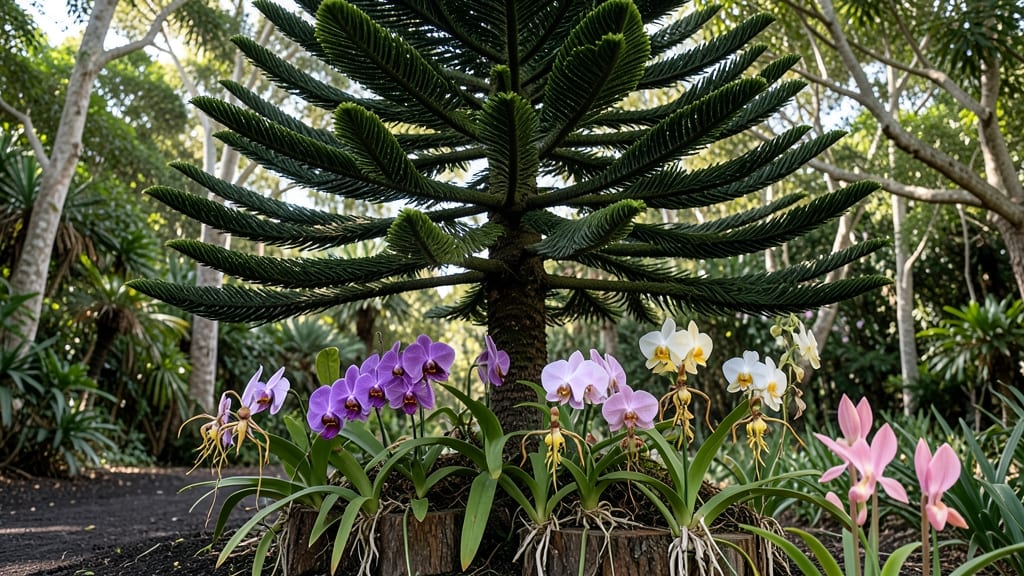
The Curitiba Botanical Garden is a breathtaking 42-hectare sanctuary showcasing over 4,500 plant species, including rare orchids, bromeliads, and native Brazilian flora arranged in stunning themed gardens. Its conservation-focused trails and vibrant landscapes make it a must-visit for plant lovers and nature enthusiasts.
The Curitiba Botanical Garden isn't just a garden—it's a living laboratory of biodiversity. 🌿 Here, you'll find meticulously curated sections like the Japanese Garden and the Orchid House, where rare species thrive in conditions mimicking their natural habitats.
The garden's conservation work extends beyond aesthetics, playing a key role in protecting endangered flora through research and sustainable practices. Whether you're a seasoned botanist or a casual visitor, the garden's themed trails offer something magical year-round, especially during peak bloom seasons.
What sets this garden apart is its blend of education and immersion. The trails aren't just paths—they're stories, guiding you through Brazil's rich botanical heritage while highlighting the importance of plant conservation.
For example, the bromeliad collection showcases over 200 species, many of which are critical to local ecosystems. 🌺 Visitors often leave with a deeper appreciation for how interconnected plants and ecosystems truly are.
💡 In This Article
- Exploring Curitiba Botanical Garden’s Unique Plant Ecosystems
- Best Hidden Trails and Plant Collections to Visit in Curitiba Botanical Garden
Exploring Curitiba botanical garden’s unique plant ecosystems
The Curitiba Botanical Garden stands out as a biodiversity hotspot, where over 4,500 plant species thrive in carefully designed ecosystems that mimic their natural habitats.
One of its most remarkable features is the Japanese Garden, a serene 1.5-hectare section featuring traditional rock formations, koi ponds, and meticulously pruned bonsai trees. This area isn’t just decorative—it demonstrates sustainable landscaping techniques, like water recycling systems that reduce waste by 30% while maintaining lush greenery year-round.
At the heart of the garden’s conservation mission lies the Orchid House, a climate-controlled greenhouse housing over 1,200 orchid species, including rare hybrids like the Cattleya labiata, which blooms in vibrant pink hues.
These plants are cultivated using hydroponic methods to minimize soil-borne diseases, a technique that has boosted survival rates by 40% compared to traditional soil-based growing.
The garden’s bromeliad collection is equally impressive, with 200+ species adapted to thrive in Curitiba’s humid subtropical climate, showcasing their unique water-storing leaves and vibrant floral displays.
What makes this garden ecologically significant is its role in preserving endangered flora. The Atlantic Forest Conservation Area within the garden focuses on native species like the Tabebuia impetiginosa (pau-d’arco), a tree critical to Brazil’s ecosystem but threatened by deforestation.
Researchers here study how these plants adapt to urban environments, providing data that informs larger conservation strategies.
Seasonal blooms, such as the springtime explosion of Ipê trees (yellow blossoms) or the autumnal display of Bromelia flowers, draw pollinators and create a dynamic, ever-changing landscape that educates visitors about plant life cycles.
The garden’s trails are designed with ecological storytelling in mind. For instance, the Sensory Trail invites visitors to touch, smell, and even taste edible plants like the Mangifera indica (mango tree), while the Nighttime Trail highlights nocturnal flora that bloom under artificial lighting.
These interactive elements make complex botanical concepts accessible, turning a visit into an immersive learning experience. The garden’s commitment to sustainability extends to its waste management—90% of organic waste is composted on-site, reducing its carbon footprint while enriching the soil for new plantings.
One often-overlooked aspect is the garden’s role in urban ecology. By integrating native plants into its collections, it helps restore local biodiversity lost to urbanization. For example, the bird-friendly trails feature plants like the Erythrina speciosa (coral tree), which provides nectar for hummingbirds and seeds for finches.
This approach not only supports wildlife but also demonstrates how green spaces can coexist with cities, offering a blueprint for urban planners worldwide. 🌿
Visitors often ask how the garden balances aesthetics with conservation. The answer lies in its research-driven design: every plant is chosen for its ecological value, not just its visual appeal.
For example, the medicinal plant section features species like Plectranthus barbatus (Brazilian oregano), which is studied for its antimicrobial properties. By blending beauty with science, the garden creates a space where education and inspiration go hand in hand.
For those planning a visit, timing is key. The spring (September–November) is ideal for orchid and bromeliad blooms, while autumn (March–May) offers stunning foliage colors.
The garden’s free guided tours (available in Portuguese, English, and Spanish) provide deeper insights into these ecosystems, making it a perfect blend of relaxation and discovery. 💫