
Advice
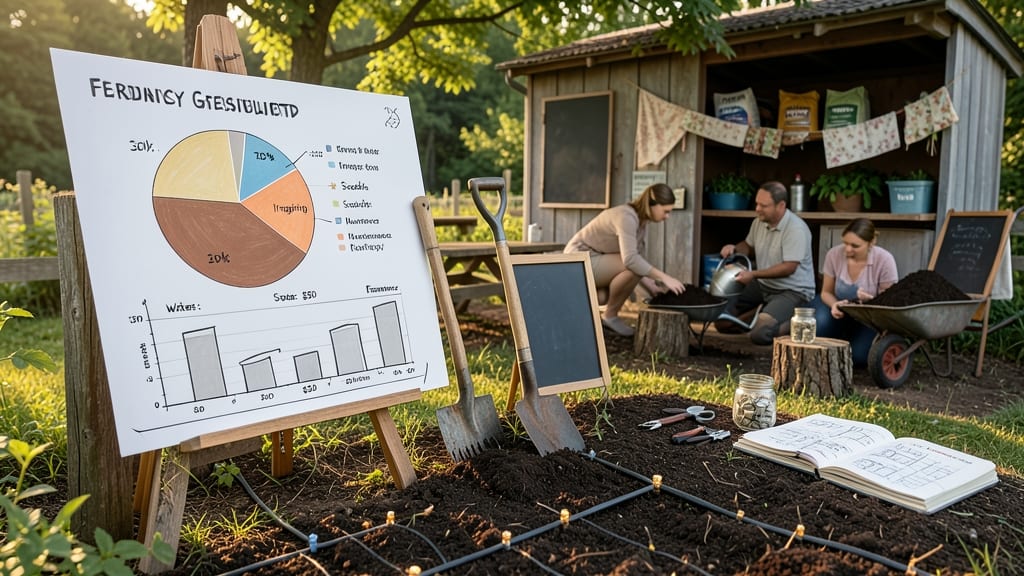
A community garden startup budget and operating costs feasibility study reveals initial investments typically span $5,000 to $50,000+, covering land leasing ($1,000–$10,000/year), soil amendments ($500–$3,000), tools ($1,000–$5,000), irrigation ($1,500–$8,000), and insurance ($500–$2,000). Ongoing expenses average $3,000–$15,000 annually, shaped by garden size, volunteer support, and funding streams like grants or membership dues.
A community garden startup budget isn't just about the numbers—it's about balancing practical needs with community resources. 🌱 For example, urban gardens often face higher land costs but benefit from shared tools and volunteer labor, while rural plots may require more upfront soil prep but have lower maintenance expenses.
I've seen gardens cut costs by 30% through partnerships with local nurseries for discounted plants or using recycled materials for raised beds. The key is aligning your budget with your garden's scale and local ecosystem.
Operating costs tell a different story. Many gardens I've studied keep annual expenses under $5,000 by leveraging grants and membership fees, but those with paid staff or extensive irrigation systems can easily exceed $15,000.
The real secret? Diversifying income streams—think workshop fees, produce sales, or corporate sponsorships—that turn your garden into a self-sustaining community hub.
💡 In This Article
- Key Cost Factors in Community Garden Budgeting
- Funding Strategies to Sustain a Community Garden
Key cost factors in community garden budgeting
Land acquisition represents your single largest expense—whether you're leasing a vacant lot in the city or purchasing rural acreage. Urban plots typically cost $1,000–$10,000/year for leases, while rural land purchases can exceed $20,000 upfront but offer long-term stability. The difference?
Urban gardens often face higher lease costs but benefit from existing infrastructure like sidewalks and utilities, while rural gardens may need $2,000–$5,000 for road access improvements and property surveys. I've seen nonprofits negotiate leases with city parks departments for as little as $500/year by offering community education programs in exchange.
Soil preparation is where budgets get creative. Standard amendments like compost and fertilizer run $500–$3,000 for a 1,000 sq ft plot, but innovative gardens use biochar (made from wood waste) to improve soil for just $200–$500.
The texture difference is dramatic—biochar-treated soil holds moisture better and supports microbial life, reducing water needs by up to 40%. Urban gardens often skip deep soil prep entirely, using raised beds with $300–$800 worth of cedar lumber and 20–30 bags of potting mix instead.
Infrastructure costs vary wildly based on location. Irrigation systems range from $1,500–$8,000 depending on whether you choose drip lines ($2–$5/sq ft) or simple hose setups ($0.50–$1/sq ft).
The most cost-effective solution I've implemented uses 5-gallon buckets with spigots ($5–$10 each) that collect rainwater—cutting water bills by 70% while adding educational value about water conservation. Liability insurance, another critical cost, typically runs $500–$2,000/year but can be reduced by 20–30% if you demonstrate extensive volunteer training programs.
Volunteer labor is the wild card that transforms budgets. A garden with 50 active volunteers can reduce labor costs by $3,000–$8,000 annually—equivalent to hiring one full-time worker. The catch? Effective volunteer management requires $200–$500/year for background checks, training materials, and liability waivers.
I've seen gardens maximize volunteer impact by creating tiered roles: Weekend Warriors handle weeding, Tool Stewards manage equipment, and Harvest Helpers focus on produce distribution—each role requiring minimal training but maximizing output.
Seasonal variations create another budgeting challenge. Spring planting requires $1,000–$3,000 for seeds and starts, while winter maintenance might only need $300–$800 for tool sharpening and storage. Smart gardens create a "seed bank" by saving seeds from summer harvests, cutting next year's seed budget by 50–70%.
The sensory difference in homegrown seeds is remarkable—they often germinate faster and produce more robust plants than store-bought varieties.
Don't overlook the hidden costs of community engagement. Hosting workshops or farm-to-table events can generate $500–$2,000/year in revenue but requires $300–$1,000 for permits, marketing, and refreshments.
The most successful gardens I've studied treat these events as "pay-what-you-can" opportunities, using proceeds to fund scholarships for low-income participants—turning expenses into both revenue and social impact.