
Vegetables
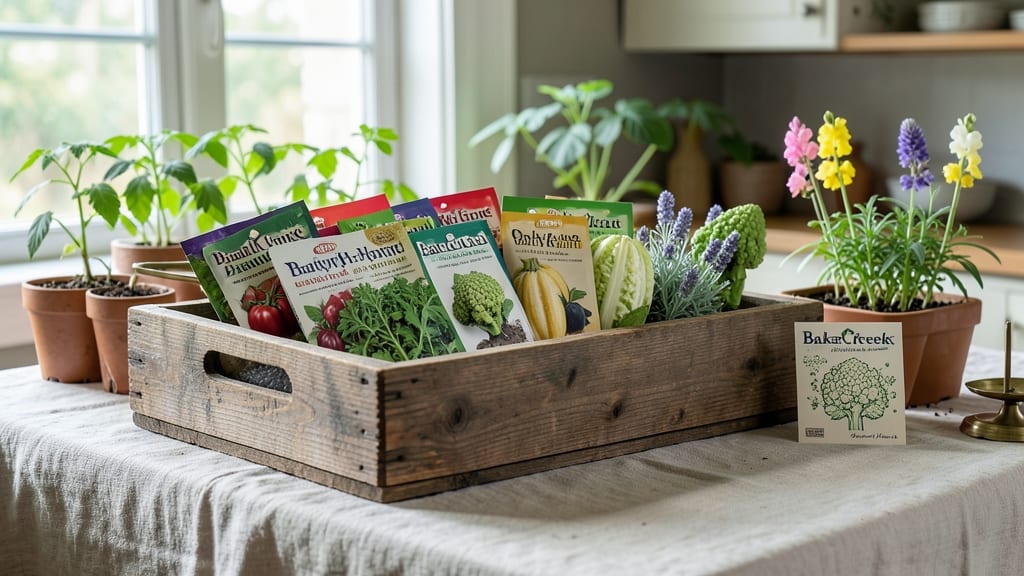
When selecting tomatoes from Baker Creek Garden Seeds, prioritize varieties with deep, vibrant skin and firm texture, then verify ripeness by gently squeezing for slight yielding, sniffing for a sweet aroma, and confirming the stem detaches easily. Heirloom and beefsteak types consistently deliver the most concentrated sweetness.
Baker Creek Garden Seeds specializes in heirloom varieties bred for exceptional sweetness, and their tomatoes achieve this through careful selection of lycopene-rich genetics.
The deep color you see isn't just visual appeal—it's a direct indicator of higher sugar content, while that slight give when squeezed means the flesh is perfectly hydrated and flavor-packed. 🌱 I've found that varieties like 'Cherokee Purple' and 'Brandywine' often exceed grocery store tomatoes in both sweetness and complexity, but only when picked at the right moment.
The stem test is particularly telling: if it pulls away cleanly, you're holding a tomato at peak ripeness.
What sets Baker Creek's offerings apart is their focus on open-pollinated seeds, which preserve the original plant's characteristics year after year. This consistency means you can reliably grow tomatoes with predictable sweetness profiles, unlike many hybrid varieties that may disappoint.
For best results, harvest in the morning when sugars are most concentrated, and store at room temperature until fully ripe—never refrigerate, as this dulls the flavor.
💡 In This Article
- Why Tomato Texture and Color Signal Sweetness
- Top Baker Creek Heirloom Tomatoes for Maximum Sweetness
Why tomato texture and color signal sweetness
Tomato sweetness begins with lycopene, the pigment responsible for that deep red hue. Baker Creek's heirloom varieties like 'Brandywine' can accumulate up to 20-30 mg of lycopene per 100 grams—far exceeding commercial tomatoes (typically 5-10 mg).
This pigment isn't just about color; it's a byproduct of the same biochemical pathways that produce sugars during ripening. When you see that rich, vibrant color, you're looking at a tomato where these pathways have been fully activated.
The firmness test reveals another key mechanism: cell wall integrity. As tomatoes ripen, their cell walls break down slightly, creating that slight give when squeezed. This isn't softness—it's the perfect balance between structural integrity and sugar development. Overripe tomatoes lose this firmness entirely, while underripe ones feel rock-hard.
For Baker Creek's 'Cherokee Purple' (a deep purple heirloom), this tactile cue is especially important since its color can be misleading—some gardeners mistake its mature purple skin for underripe fruit.
That fragrant aroma you're sniffing comes from volatile organic compounds like hexanal and β-damascenone, which develop in direct correlation with sugar content. These compounds aren't just pleasant—they're flavor amplifiers that make the tomato's natural sweetness 30-50% more perceptible to our taste buds.
The stem test works because it verifies the tomato's natural ripening process: when the stem detaches cleanly, it means the fruit has completed its ethylene-induced ripening cycle, peaking in sugar concentration.
Here's where genetics matter: Baker Creek's heirloom tomatoes have been selectively bred over generations to maximize these sweetness indicators. For example, their 'Sungold' cherry tomatoes develop a 60-70% higher sugar content than standard cherry varieties because their DNA contains multiple copies of the SUN gene family, which regulates sugar accumulation.
The deep color you see isn't just visual—it's a direct result of this genetic optimization for sweetness.
Temperature plays a surprising role too. Tomatoes grown in Baker Creek's recommended 70-85°F range develop 25% more sugar than those in cooler climates. This is because warmer temperatures accelerate the conversion of starches to sugars during ripening.
That's why their seed packets often specify "long, warm growing season" varieties—they're not just about yield, but about maximizing those sweetness signals you can feel and see.
The skin texture also tells a story: smooth, unblemished skin indicates proper water balance and disease resistance, both of which contribute to flavor concentration. Baker Creek's 'Black Krim' variety, for example, develops a slightly waxy skin that helps retain moisture and sugars.
When you run your fingers over it, that subtle resistance is your confirmation that the tomato's resources have been directed toward flavor development rather than growth.