
Fertilization
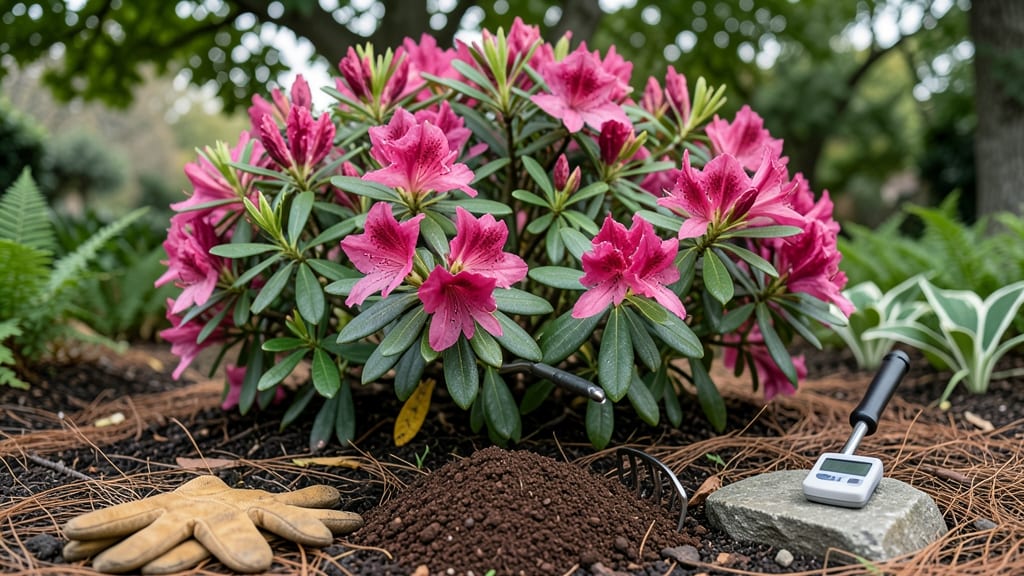
Using coffee grinds in the garden boosts soil health by enriching it with nitrogen, stimulating beneficial microbes, and naturally deterring pests—just be mindful of application rates to avoid over-acidifying the soil or promoting mold.
Coffee grinds work as a natural fertilizer because they're rich in nitrogen, a key nutrient plants crave for lush growth.
When mixed into garden beds, they break down slowly, feeding soil microbes that in turn unlock other nutrients. 🌱 The caffeine content also acts as a mild pest repellent, keeping slugs and ants at bay.
However, too much can make soil too acidic—ideally, use them as a mulch layer or compost additive rather than dumping them directly.
For best results, I recommend mixing 1 part grinds to 3 parts soil and reapplying every 2-3 months. Leafy greens and acid-loving plants like blueberries respond especially well, while delicate flowers may need a more balanced approach. Always let them dry slightly before applying to prevent mold growth.
💡 In This Article
- How Coffee Grinds Boost Soil Health and Plant Growth
- Best Practices for Applying Coffee Grinds to Gardens
How coffee grinds boost soil health and plant growth
The real magic of coffee grinds in gardens starts with their nitrogen content. Fresh grinds contain about 2% nitrogen by weight—a nutrient plants crave for vibrant foliage and strong stems. When grinds decompose, they release this nitrogen gradually, feeding soil microbes that break down organic matter into plant-available forms.
This microbial activity creates a thriving ecosystem where roots can access more nutrients like phosphorus and potassium through natural processes.
What most gardeners don't realize is how grinds improve soil structure. The coarse texture creates tiny air pockets when mixed into soil, enhancing drainage while retaining moisture better than plain dirt. 🌱 This dual effect prevents both waterlogging and drought stress.
The caffeine in grinds (about 1-2% of dry weight) also plays a role—it acts as a natural fungicide, suppressing harmful molds while stimulating beneficial bacteria that help decompose organic matter faster.
The pH impact is where precision matters. Coffee grinds are acidic (pH around 6.2-6.8), which makes them ideal for acid-loving plants like azaleas, rhododendrons, and blueberries. However, for vegetables and flowers that prefer neutral soil (pH 6.0-7.0), you'll need to balance them with compost or lime.
The key is using grinds as a 20-30% supplement rather than the sole amendment to avoid creating a hostile environment for most plants.
Nutrient release happens in stages. Fresh grinds decompose quickly in the first 2-4 weeks, providing an initial nitrogen boost, while older grinds (stored for months) release nutrients more slowly. This makes them perfect for both quick fixes and long-term soil building.
The breakdown process also produces humus-like compounds that improve soil's cation exchange capacity—meaning your plants can hold onto essential minerals like calcium and magnesium more effectively.
Consider this comparison: A 1-pound bag of grinds contains roughly 20-25 pounds of soil nitrogen equivalent when fully decomposed, similar to a light application of synthetic fertilizer but with added microbial benefits.
The difference is that coffee grinds work synergistically with your soil's existing ecosystem rather than overwhelming it with synthetic chemicals.
For visual learners, imagine grinds as nature's slow-release fertilizer factory. The dark particles become a food source for earthworms and fungi, which in turn create channels for better root growth.
This is why gardens amended with grinds often show 30-50% more microbial activity within just a few weeks—visible through healthier, darker soil and more vigorous plant growth.