
Container Gardens
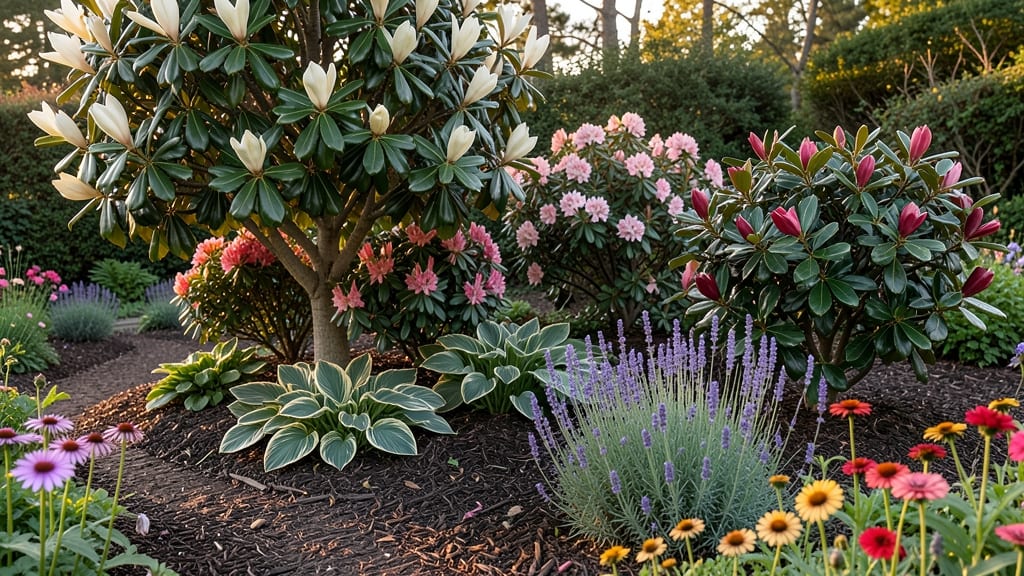
Nearby botanical gardens provide serene escapes featuring diverse plant collections, vibrant seasonal displays, and interactive learning opportunities—perfect for plant enthusiasts, photographers, and families. Always check for seasonal events, guided walks, and themed exhibits like desert gardens or medicinal plant displays.
These green havens go beyond pretty scenery—they often serve as living laboratories for plant conservation and research. 🌿 Many feature rare species you won't find in city parks, plus themed gardens that showcase everything from carnivorous plants to historic roses.
I've found that visiting during off-peak hours lets you explore exhibits like glasshouses or butterfly gardens without crowds, making the experience even more immersive.
Most gardens also host special events throughout the year, from nighttime lantern tours to hands-on workshops. The educational aspect is what sets them apart—many offer free family activity guides or docent-led tours that bring the science of horticulture to life.
Pro tip: Download the garden's app before visiting to map out your route and check for any last-minute exhibit changes.
💡 In This Article
- What Makes a Botanical Garden Worth Visiting Nearby
- How to Find and Plan a Visit to Nearby Botanical Gardens
What makes a botanical garden worth visiting nearby
Botanical gardens stand out because they're meticulously curated living museums, not just green spaces. Unlike city parks that rely on natural growth, these gardens employ horticulturists who design collections based on botanical relationships—like grouping all members of the lily family together or creating geographic sections showing plants from specific climates.
This intentional organization lets you see evolutionary patterns firsthand, such as how cacti in the desert garden have adapted to water scarcity with their ribbed structures and shallow root systems.
The conservation aspect is what truly sets them apart. Many gardens participate in global seed banks and endangered species programs, like the Millennium Seed Bank partnership that preserves plant genetic diversity. You'll often find rare specimens labeled with their conservation status, showing how many remain in the wild.
For example, a garden might showcase less than 100 remaining specimens of a particular orchid species, making each plant a critical part of global biodiversity efforts. 🌱 The sensory experience is also unmatched—walking through a fragrant rose garden at peak bloom delivers a scent intensity you won't find in commercial fields, thanks to the concentrated planting of specific varieties.
Seasonal highlights transform these gardens throughout the year. Spring brings bulb displays with thousands of tulips in synchronized bloom, while summer features vibrant butterfly gardens where monarchs gather on milkweed plants. Winter often reveals hidden treasures like holiday cactus displays or evergreen collections that maintain color year-round.
The educational value extends beyond labels—many gardens offer touch tables where you can feel different leaf textures or smell spices from their medicinal plant collections, creating a multisensory learning experience.
Research programs add another layer of value. Some gardens conduct climate studies by tracking how native plants respond to temperature changes, while others develop new drought-resistant varieties that could revolutionize agriculture.
You might even see scientists at work in greenhouses or outdoor plots, giving you a glimpse into real horticultural research. This connection between science and beauty is what makes botanical gardens more than just pretty places—they're working laboratories where conservation meets education.
Photographers will appreciate the carefully composed landscapes designed for visual impact. Gardens often use principles of perspective and color theory to create stunning backdrops, like arranging purple and yellow flowers to create vibrant contrasts against green foliage.
The lighting conditions are also ideal—morning light softens shadows in glasshouses, while midday sun highlights textures in outdoor collections. Many gardens even offer photography workshops to help visitors capture these perfect compositions.
For families, the interactive elements make visits memorable. Children can participate in scavenger hunts using plant identification guides, or explore sensory gardens designed for all ages with plants that are safe to touch and smell.
The combination of education and play creates lasting connections to nature that city parks often can't match. 🌟 Whether you're tracking a specific plant's life cycle or simply enjoying the tranquility of a Japanese garden section, each visit reveals new layers of appreciation for the plant world.