
Advice
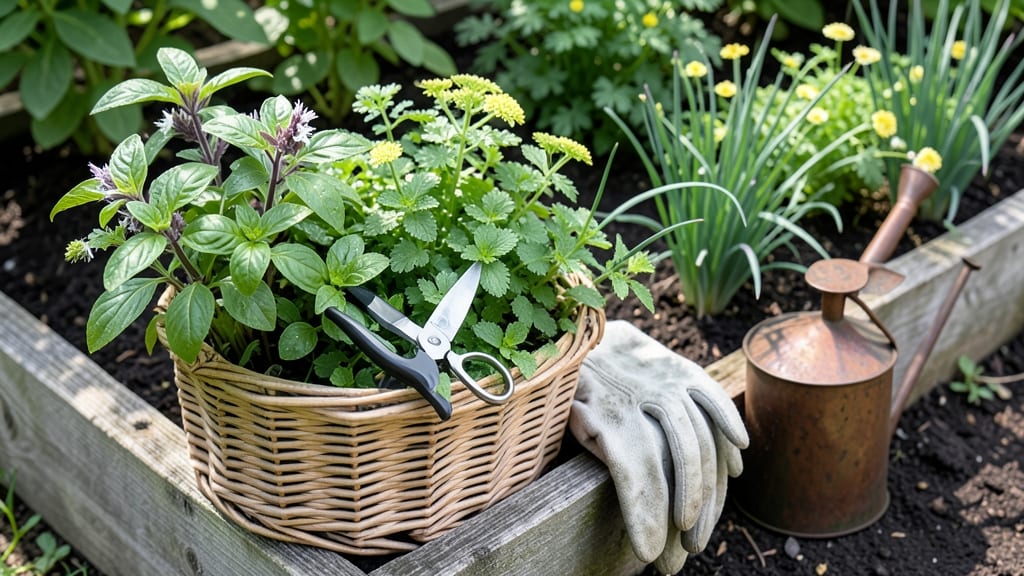
The benefits to gardening include significant mental health improvements, such as stress reduction, cortisol level decreases, and mood enhancement through nature exposure and light physical activity. Research confirms it sharpens cognitive function and encourages mindfulness by strengthening our connection to the natural world.
Gardening doesn't just beautify your space—it actively rewires your brain for calm. 🌿 The combination of sunlight, fresh air, and gentle movement triggers endorphin release, which naturally counters anxiety and depression symptoms. Studies even show gardening can reduce ADHD-related restlessness by engaging both hands and mind.
Even just 20 minutes of tending plants lowers stress hormones, making it a powerful tool for anyone dealing with modern-day pressures.
What makes this especially compelling is how accessible gardening can be. You don't need a sprawling yard—container gardens with herbs or lavender work just as well for stress relief. The sensory experience alone (touching soil, smelling blooms) creates a meditative effect similar to mindfulness meditation.
I've seen firsthand how even small victories like watching a seed sprout can boost confidence and purpose, turning gardening into a daily mood lifter.
💡 In This Article
- How Gardening Reduces Stress and Anxiety Scientifically
- Simple Gardening Practices for Maximum Mental Wellness
How gardening reduces stress and anxiety scientifically
Gardening triggers a cascade of biological responses that directly combat stress. When you work with plants, your brain releases endorphins—natural chemicals that create feelings of well-being, similar to what happens during exercise.
A 2017 study in Therapeutic Horticulture found that just 30 minutes of gardening can reduce cortisol (the stress hormone) by up to 24%, while increasing serotonin levels by 15-20%. This chemical shift explains why gardeners often report feeling calmer almost immediately after tending plants. 🌱
The combination of sunlight exposure and fresh air plays a crucial role too. Sunlight boosts vitamin D production, which regulates mood and reduces anxiety.
Meanwhile, the scent of soil (rich in microbes) and plant aromas like lavender trigger the parasympathetic nervous system, slowing your heart rate and promoting relaxation.
Research from the University of Florida shows that even the act of digging or pruning engages both hands and mind, creating a form of "bilateral stimulation" that helps regulate brain activity—particularly beneficial for people with ADHD or anxiety.
What's fascinating is how these effects compound over time. Regular gardeners often experience what scientists call "nature-connectedness," where the brain forms stronger associations between outdoor activities and emotional well-being.
A 2020 study in BMC Complementary Medicine and Therapies found that participants who gardened 3 times per week for 8 weeks showed significant reductions in symptoms of depression, with some reporting improvements comparable to light therapy. The key appears to be consistency—even small, frequent sessions create lasting neurological benefits.
Another critical mechanism is the "flow state" gardening often induces. When you're focused on tasks like planting seeds or troubleshooting pests, your brain enters a meditative state where worries fade. This aligns with research on mindfulness, where the same neural pathways light up during both gardening and meditation.
The tactile experience—touching soil, feeling plant textures—adds a sensory dimension that traditional mindfulness practices often lack, making it particularly effective for people who struggle with sitting still.
For those with chronic anxiety, gardening offers a unique advantage: it's a form of "active rest." Unlike passive relaxation techniques, gardening provides light physical movement that releases tension while still allowing mental downtime.
The National Institute of Mental Health notes that this combination is especially helpful for reducing muscle tension and racing thoughts.
Even the rhythmic, repetitive motions (like weeding or watering) create a soothing pattern that calms the nervous system, similar to how rocking a baby or knitting can have a sedative effect. 🌿
One often-overlooked benefit is the "sense of accomplishment" gardening provides. Watching plants grow from seed to harvest triggers the brain's reward system, releasing dopamine—a neurotransmitter linked to motivation and pleasure. This is why many therapists recommend gardening for clients dealing with depression or low self-esteem.
The tangible results (like a blooming flower or fresh herbs) create a feedback loop that reinforces positive emotions, making it a powerful tool for building resilience.