
Planting
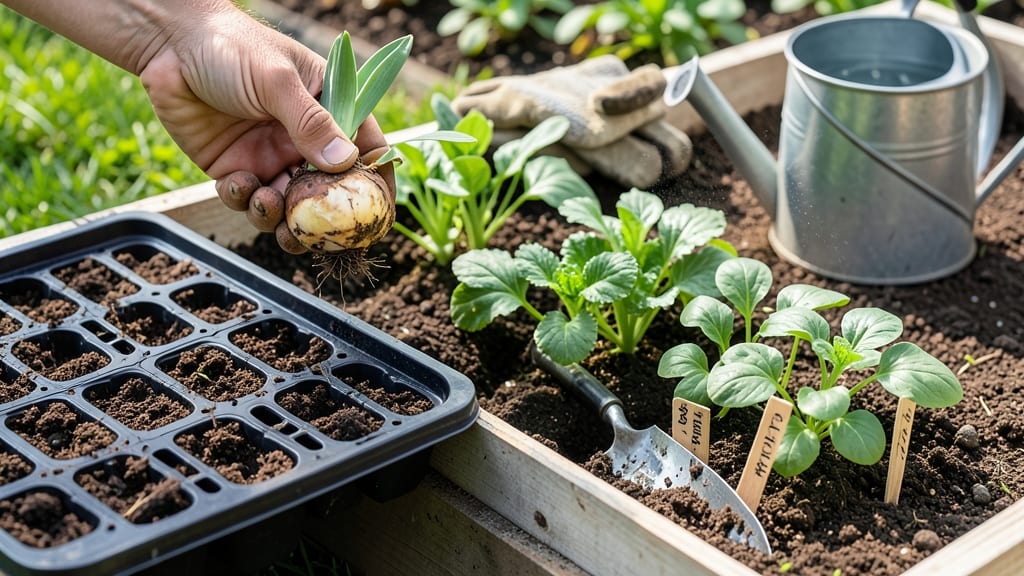
Now is the time for gardeners to start planting seeds and bulbs in USDA Zones 7-10, where cool-season varieties like pansies, snapdragons, and garlic thrive in fall conditions. Gardeners in Zones 3-6 should hold off until soil temperatures consistently stay below 60°F or after the first frost date, which varies by region. Always verify your local frost forecast and observe microclimates in your garden.
Fall planting creates a head start for cool-loving plants that need time to establish roots before winter dormancy. 🌱 In my experience, the key is matching seed varieties to your zone's first frost date—some areas might be ready now, while others should wait another 2-4 weeks.
For example, garlic planted in fall matures earlier than spring-sown crops, giving you a harvest advantage. Urban gardeners often face microclimates where sidewalks or buildings create warmer pockets, so I always test soil temperature with a simple thermometer before planting.
Pro tip: Use row covers or cold frames to extend your planting window in cooler zones. These simple tools can add 4-6°F of protection, helping tender seedlings survive light frosts. I've even used black plastic mulch to warm soil faster in spring, which can shave weeks off your planting schedule.
The goal is to give plants the best possible start while avoiding the pitfalls of planting too early or too late.
💡 In This Article
- USDA Zone-Specific Seed and Bulb Planting Timelines
- Microclimate Hacks to Extend Planting Seasons
USDA Zone-specific seed and bulb planting timelines
The USDA Plant Hardiness Zone Map divides North America into 13 zones based on average annual minimum temperatures, but planting timing depends more on soil temperature than just zone numbers.
For example, Zone 7 (0-10°F winters) can start cool-season crops like kale or lettuce now when nighttime temps hover around 50-55°F, while Zone 10 (30-40°F winters) might need to wait until soil reaches 60°F—even though both zones are "warm."
This is why I always cross-reference zones with local frost dates and soil thermometers.
Bulbs like tulips and daffodils thrive when planted in fall because their roots need 6-8 weeks of cool soil (below 60°F) to establish before dormancy. In Zone 8, this means planting by early November, while Zone 6 gardeners should wait until mid-October.
Seeds like snapdragons and pansies are frost-tolerant but prefer 55-65°F soil—too warm and they bolt (flower prematurely), too cold and germination stalls. I've seen snapdragons planted in 70°F soil in Zone 9 fail to sprout until temperatures dropped naturally.
Coastal areas often have milder winters than inland zones at the same latitude due to ocean currents. For instance, San Francisco (Zone 9b) might plant garlic in October, while Sacramento (Zone 9a) waits until November—even though both are technically Zone 9.
The Pacific Ocean's moderating effect creates a 5-10°F temperature buffer that inland gardeners lack. This is why I always check local weather stations rather than relying solely on zone maps.
Hardy crops like spinach and radishes can handle light frosts (28-32°F), while tender varieties like basil or cucumbers die above 32°F. The rule of thumb: Plant frost-tolerant seeds 4-6 weeks before your first frost date, and bulbs 6-8 weeks before.
I keep a garden journal noting when I plant each variety and track how many days until harvest—this helps me adjust future schedules based on real performance data.
For high-altitude gardens (e.g., Denver at 5,280 ft vs. Phoenix at 1,100 ft), elevation adds complexity. Every 1,000 ft gain roughly equals a 3.5°F drop in average temperature, so a Zone 7 garden at 4,000 ft might experience Zone 5 conditions.
This is why I recommend using the USDA Interactive Map to overlay elevation data—it reveals planting windows that differ dramatically even within the same postal code.
Pro tip: Use the "10-10-10" rule for fall planting—10 weeks before first frost for bulbs, 10°F soil temperature threshold for most seeds, and 10 days of stable weather before planting to avoid washout. I've found this simple guideline prevents the most common timing mistakes gardeners make.