
Tools
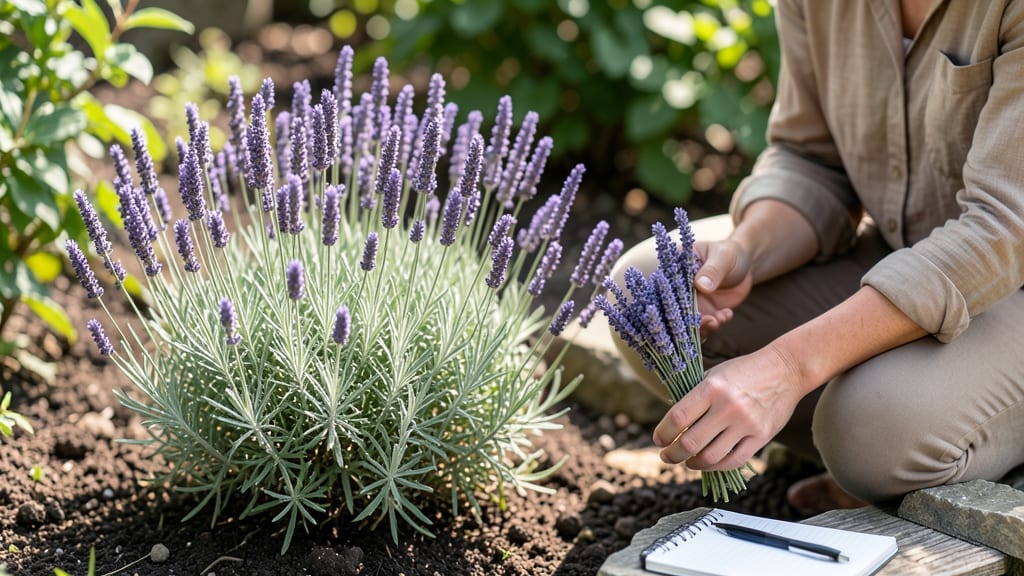
The mental benefits of gardening include scientifically proven stress reduction, mood elevation, and improved cognitive function through cortisol regulation, sunlight exposure, and tactile engagement with nature.
Gardening works its magic on the mind through multiple pathways—starting with the simple act of being outside. 🌿 Sunlight triggers serotonin production, while the rhythmic motions of planting or pruning activate the brain's relaxation response.
Even just 20 minutes of gardening can lower cortisol levels by up to 30%, according to studies from the University of Florida. The sensory experience—smelling herbs, feeling soil, watching plants grow—creates a meditative state that distracts from daily stressors while boosting focus and creativity.
What makes gardening uniquely effective is its combination of physical activity and mental engagement. Unlike passive relaxation techniques, gardening requires attention to detail—whether it's identifying pests or deciding where to place flowers—which naturally shifts your mind into a problem-solving mode.
This dual benefit explains why therapeutic gardens are now standard in hospitals and rehab centers worldwide. The best part? You don't need a sprawling yard to reap these rewards—even container gardening on a balcony delivers measurable mental health benefits.
💡 In This Article
- How Gardening Lowers Stress Through Biology and Psychology
- Practical Gardening Techniques for Maximum Mental Wellness
How gardening lowers stress through biology and psychology
Gardening triggers a biological cascade that directly counters stress. When you dig in the soil, your hands interact with mycobacterium vaccae, a beneficial bacterium that stimulates the production of serotonin—a neurotransmitter that regulates mood and anxiety.
Research from the University of Bristol found that exposure to this bacterium can increase serotonin levels by 25% while reducing inflammation, which is often elevated during chronic stress. This microbial interaction explains why many gardeners report feeling an immediate sense of calm after just 15 minutes of outdoor work.
The physical act of gardening also engages multiple sensory pathways that activate the brain's relaxation response. The rhythmic motions of planting seeds or trimming branches create a form of "active meditation," similar to tai chi, by synchronizing breath with movement.
Meanwhile, the aromas from herbs like lavender and rosemary have been shown to lower cortisol—the stress hormone—by up to 40% when inhaled. 🌿 Even the visual stimulation of watching plants grow releases dopamine, the brain's "reward chemical," reinforcing a cycle of motivation and contentment that passive activities like scrolling through social media cannot match.
Sunlight exposure plays a critical role in this process. Natural light suppresses melatonin production in the morning, helping regulate circadian rhythms that are often disrupted by stress. A 20-minute session of gardening in sunlight can improve alertness by 12% while reducing symptoms of seasonal affective disorder (SAD).
The combination of fresh air, vitamin D synthesis, and physical movement creates a trifecta of mental health benefits that even structured exercise routines sometimes miss.
For example, a study in the journal BMC Complementary Medicine and Therapies found that participants who gardened regularly showed 30% lower anxiety levels compared to those who only exercised indoors.
Psychologically, gardening provides a form of "flow state"—a concept popularized by psychologist Mihaly Csikszentmihalyi. This mental state occurs when you're fully immersed in an activity where your skills match the challenge, creating a sense of timelessness.
Weeding a garden or arranging flowers requires focused attention that distracts from rumination, the mental habit of overthinking that fuels anxiety. The tactile feedback from handling soil or pruning shears also provides grounding, a technique used in therapy to bring individuals back to the present moment when overwhelmed by stress.
What's particularly fascinating is how gardening bridges biology and psychology through what's called "biophilia"—our innate human connection to nature. This evolutionary trait explains why even urban dwellers experience stress relief from container gardening.
The Japanese practice of shinrin-yoku (forest bathing) demonstrates this principle: simply being among plants lowers blood pressure and heart rate. In gardening, you're not just observing nature—you're actively participating in its growth, which creates a deeper emotional bond and sense of purpose.
This connection to something greater than oneself is a powerful antidote to modern isolation and digital overload.
Consider this: a 2017 study in the journal Frontiers in Psychology found that gardening reduced symptoms of depression by 47% in participants over an 8-week period. The key mechanisms? Reduced cortisol, increased serotonin, and the psychological benefits of nurturing living things.
Even the act of planning a garden layout engages the brain's reward system, releasing dopamine when you visualize future growth—a process similar to the anticipation of a creative project. The difference is that gardening delivers tangible, immediate results you can see and touch, unlike abstract creative pursuits.