
Vegetables
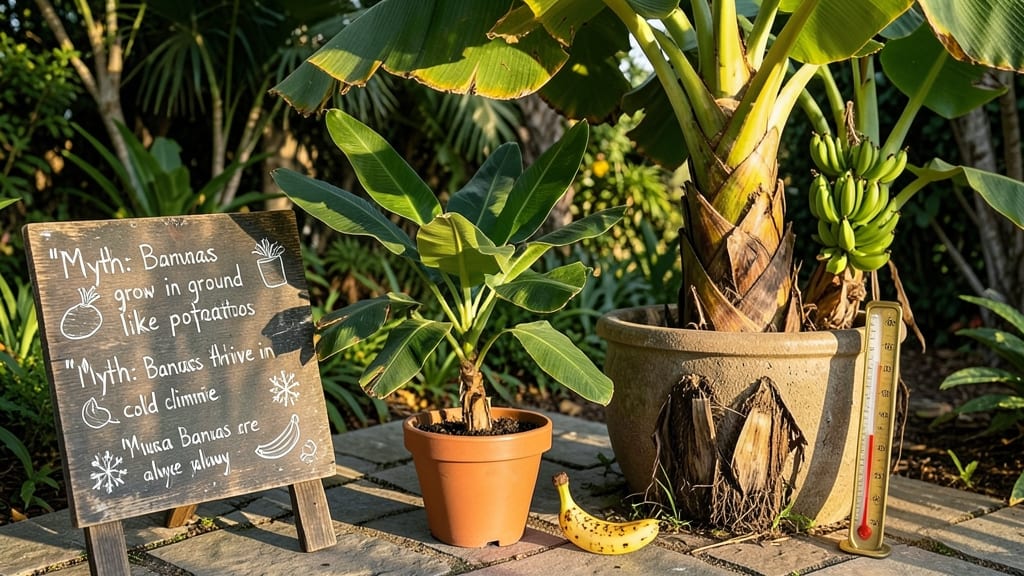
The myth that bananas in gardens act as magic fertilizers is exaggerated, but their peels do contribute potassium and organic matter when properly composted. They won't replace dedicated fertilizers but can enhance soil health when combined with other organic materials.
Banana peels contain about 22% potassium by dry weight, which is higher than many common garden amendments.
However, their effectiveness depends on how you use them—simply tossing peels on soil won't deliver results. 🌱 The real magic happens when they decompose slowly in compost piles or as part of a balanced soil amendment strategy.
I've found that blending chopped peels with nitrogen-rich materials (like grass clippings) speeds up decomposition and maximizes nutrient release.
For best results, try making a banana peel tea by soaking chopped peels in water for a week, then using the liquid as a foliar spray. This method captures potassium while avoiding the risk of fungal growth from fresh peels.
Pairing them with other organic matter—like coffee grounds or worm castings—creates a more complete nutrient profile than peels alone could provide.
💡 In This Article
- How Banana Peels Affect Soil Chemistry
- Practical Ways to Use Bananas in Gardening
How banana peels affect soil chemistry
Banana peels are often praised for their high potassium content, but what actually happens when they decompose in soil? The peel's thick, fibrous texture contains about 22% potassium by dry weight, which is significantly higher than common garden soils (typically 0.1-0.5%).
When peels break down, microbial activity accelerates, converting insoluble potassium compounds into soluble forms plants can absorb. This process releases potassium gradually over 4-8 weeks, depending on moisture and temperature conditions.
The decomposition process also influences soil pH indirectly. Banana peels are slightly acidic (pH ~5.5-6.0), but their breakdown produces organic acids that temporarily lower soil pH in the immediate area. However, this effect is minimal compared to dedicated pH adjusters like sulfur or lime.
The real benefit comes from improved soil structure—the peels' cellulose fibers create microscopic air pockets, enhancing aeration and water retention. This is why peels work best in compost blends rather than as a standalone amendment.
Comparing banana peels to traditional fertilizers reveals their limitations. While they contain potassium, they lack nitrogen and phosphorus in meaningful amounts. Manure, for example, provides a 3-1-2 NPK ratio, while banana peels contribute almost zero nitrogen.
The solution? Pairing peels with nitrogen-rich materials like grass clippings or coffee grounds creates a balanced compost that mimics complete fertilizers. This synergy is what makes banana peels useful in organic gardening systems.
One often-overlooked factor is the peel's magnesium content (~2% by weight), which supports chlorophyll production in plants. When composted properly, magnesium becomes available to plants, though in smaller quantities than potassium.
The key is patience—fresh peels release very little potassium immediately, but after 3-6 months of decomposition, their nutrient contribution becomes substantial. This delayed release makes them ideal for slow-release compost systems rather than quick-fix fertilizers.
For visual learners, imagine banana peels as tiny nutrient sponges. Their fibrous structure traps moisture while microbial colonies feast on the organic matter, breaking it down into plant-accessible forms. The result? A gradual, sustained release of potassium that aligns with plant growth cycles.
Unlike synthetic fertilizers that provide an immediate but short-lived boost, banana peels offer a more natural, long-term soil enrichment strategy.
Here's a simple breakdown of what happens chemically during decomposition:
- Initial phase (0-2 weeks): Microbes break down simple sugars in the peel, releasing small amounts of potassium
- Active phase (2-6 weeks): Cellulose fibers decompose, releasing bound potassium and magnesium
- Stabilization phase (6+ weeks): Potassium becomes fully available, with minimal leaching due to organic matter binding
The takeaway? Banana peels aren't magic, but their science-backed benefits make them a valuable addition to any organic gardening strategy when used correctly. 🌱