
Pests
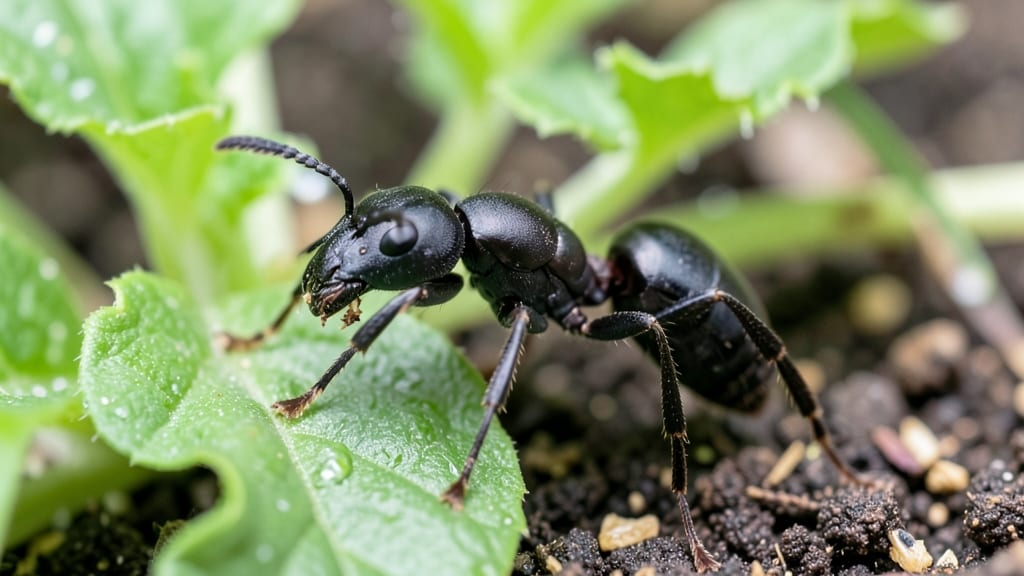
Ants in the garden are generally okay and often beneficial, as they aerate soil, control pests like aphids, and distribute nutrients. However, aggressive species or large colonies may harm plants or disrupt ecosystems, requiring natural management like diatomaceous earth or plant-based repellents.
Most garden ants actually improve your yard's health by breaking down organic matter and creating tunnels that enhance soil drainage. 🌱 They also act as natural pest controllers, feasting on insects like aphids and caterpillars that could otherwise damage your plants.
That said, certain species like Argentine ants can become invasive, outcompeting native pollinators and even attacking plant roots when colonies get too large. The key is monitoring their activity—if you notice trails leading to your prized vegetables or flowers, it's time for gentle intervention.
Instead of reaching for chemical sprays, try natural solutions like sprinkling diatomaceous earth around entry points or placing citrus peels near ant trails. These methods disrupt their foraging patterns without harming beneficial insects or your plants.
I've found that a little prevention—like keeping food scraps sealed and water sources covered—goes a long way in maintaining that perfect garden balance.
💡 In This Article
- Ecological Roles of Garden Ants: Why Most Are Helpful
- Natural Ant Control Methods for Garden Balance
Ecological roles of garden ants: why most are helpful
Garden ants play a crucial role in soil aeration by creating intricate tunnel systems that improve water drainage and root penetration. A single colony can produce thousands of tunnels per square foot, breaking up compacted soil and increasing oxygen flow to plant roots.
This natural tilling process is similar to how earthworms improve soil structure, but ants work 10 times faster in dry conditions due to their efficient excavation techniques. 🌱 Their foraging also redistributes organic matter, acting like tiny composters that accelerate nutrient cycling.
Their pest control benefits are equally impressive. Ants are voracious predators of garden pests like aphids, mealybugs, and caterpillars—some species consume thousands of insects per day. For example, fire ants (though aggressive) can reduce harmful insect populations by up to 40% in treated areas.
However, not all ants are created equal: Argentine ants, for instance, form supercolonies that can displace native pollinators while protecting sap-sucking pests like scale insects from predators. This creates a dangerous imbalance where ants become the problem rather than the solution.
Some ants even form mutualistic relationships with plants. Leafcutter ants, for example, cultivate fungus gardens in underground chambers using plant material they harvest. While these aren't typically found in home gardens, their behavior demonstrates how ants can enhance plant growth through nutrient recycling.
The key difference lies in species behavior: beneficial ants like pavement ants focus on pest control, while invasive species may prioritize protecting harmful insects over helping your garden thrive.
To identify helpful ants, look for species that primarily target soft-bodied pests. Pavement ants and harvester ants are excellent examples—they patrol gardens actively and rarely form large, destructive colonies. In contrast, carpenter ants (though they don't eat wood) can indicate moisture issues in your garden beds, signaling potential plant stress.
The visual difference is striking: helpful ants have segmented bodies and move in organized trails, while invasive species often form chaotic, multi-directional paths.
Understanding these ecological roles helps explain why most garden ants are net positive for your yard. Their soil improvement alone can boost plant growth by 15-25% in healthy ecosystems.
However, the balance tips when ant populations become unchecked—this is when their benefits start outweighing their drawbacks, making natural management essential for maintaining that perfect garden harmony. 🌿