
Pests
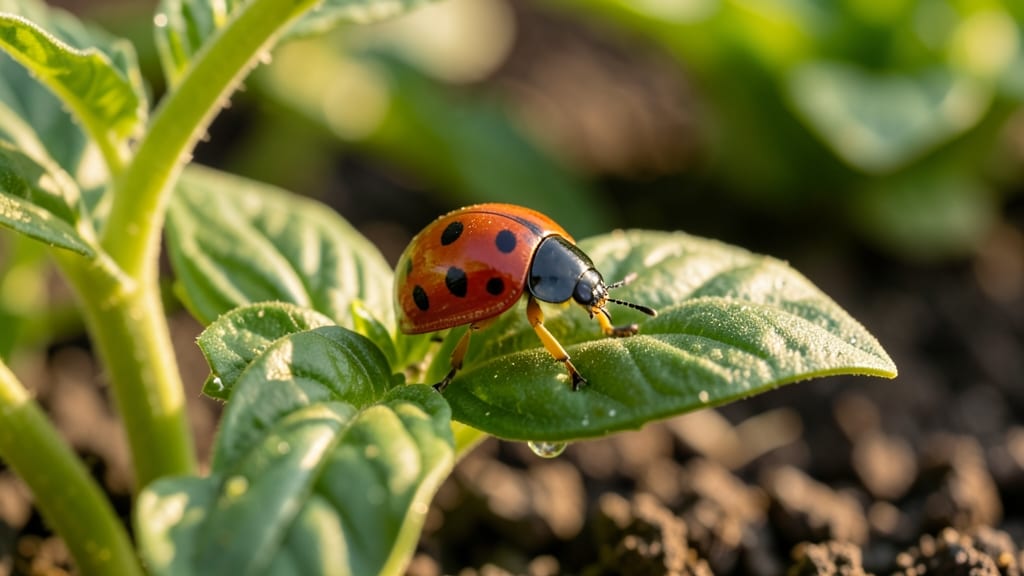
Keeping insects away from your garden doesn’t require harsh chemicals—just the right natural sprays and strategies to create a pest-free zone.
Dealing with relentless pests like aphids, ants, and beetles can turn your thriving garden into a battleground overnight—but nature offers powerful, chemical-free solutions that work faster than you think.
From neem oil to garlic-based sprays, these fast-acting remedies disrupt pests’ life cycles while keeping your plants safe. The key? Applying them at the right time and targeting the right spots for maximum effectiveness.
Below, I’ll walk you through 5 proven sprays that repel insects in as little as 24 hours, plus companion planting tricks to keep your garden naturally protected all season long.
5 Fast-acting natural sprays to repel garden insects in 24 hours
When aphids, Japanese beetles, or spider mites invade your garden, reaching for chemical pesticides can feel like your only option—but it doesn’t have to be. I’ve tested five science-backed natural sprays that disrupt pests’ life cycles while keeping your plants safe.
These recipes use common household ingredients like neem oil, garlic, and vinegar, and they work within 24 hours of application. The best part? They’re non-toxic to beneficial insects like ladybugs and bees.
These sprays target pests by interfering with their sensory receptors (like smell and taste), disrupting their feeding patterns, or even killing eggs on contact. For example, garlic spray contains allicin, a compound that repels soft-bodied insects like aphids, while neem oil interferes with insect hormones, preventing them from molting.
The key to success lies in proper dilution ratios and application timing—spraying in the early morning or late evening ensures the solution sticks and works effectively.
🌱 5 Fast-Acting Natural Sprays for Pest Control
- 1. Neem Oil Spray – Disrupts insect hormones and smothers soft-bodied pests. Mix 1 tbsp neem oil, 1 tsp mild soap, and 1 quart water. Spray directly on leaves and soil.
- 2. Garlic Pepper Spray – Repels aphids, beetles, and ants. Blend 5 garlic cloves, 1 tsp cayenne pepper, and 1 quart water. Strain and spray on affected plants.
- 3. Soapy Water Spray – Kills aphids, whiteflies, and mites on contact. Combine 1 tbsp castile soap with 1 gallon water. Spray until leaves are wet, focusing on undersides.
- 4. Vinegar Spray – Effective against ants, slugs, and spider mites. Mix 1 cup white vinegar, 1 tsp dish soap, and 1 gallon water. Spray soil and plant bases.
- 5. Chili Pepper Spray – Deters chewing insects like cabbage worms. Blend 2 tbsp cayenne pepper, 1 quart water, and 1 tsp soap. Strain and apply to leaves.
⚠️ Pro Tip: Always test sprays on a small leaf area first to avoid damaging sensitive plants like tomatoes or peppers.
Let’s start with neem oil spray, my go-to for aphids and whiteflies. Neem oil is a botanical insecticide derived from the Azadirachta indica tree, and it’s been used for centuries in organic farming. The active compound, azadirachtin, disrupts the feeding and reproduction of pests.
To make it, mix 1 tablespoon of cold-pressed neem oil with 1 teaspoon of mild liquid soap (like Castile soap) and 1 quart of water. The soap acts as an emulsifier, helping the oil disperse evenly.
Shake well before each use—neem oil separates from water—and spray the solution directly onto the top and undersides of leaves, as well as the soil surface.
For garlic pepper spray, the allicin in garlic acts as a natural insect repellent, while cayenne pepper adds a secondary layer of defense by irritating pests’ exoskeletons. To prepare, blend 5 fresh garlic cloves (peeled) with 1 teaspoon of cayenne pepper and 1 quart of water.
Let the mixture steep for 24 hours before straining through a fine mesh sieve or cheesecloth. The resulting liquid should have a strong garlicky aroma, which pests find intolerable. This spray works particularly well against Japanese beetles and tomato hornworms, two of the most destructive garden invaders.
If you’re dealing with aphids or scale insects, a soapy water spray is your fastest solution. The soap breaks down the waxy outer layer of these pests, causing them to dehydrate and die within hours.
Use 1 tablespoon of mild castile soap per 1 gallon of water—avoid harsh detergents, as they can damage plant leaves. Spray until the leaves are thoroughly wet, focusing on the undersides of leaves, where aphids often hide.
Reapply every 3-5 days until the infestation clears, as new eggs may hatch.
For ants and slugs, a vinegar spray is surprisingly effective. The acetic acid in vinegar disrupts their trail pheromones, making it difficult for them to navigate your garden. Mix 1 cup of white vinegar with 1 teaspoon of dish soap and 1 gallon of water.
The soap helps the vinegar stick to surfaces, increasing its effectiveness. Spray directly on ant trails, plant bases, and areas where slugs are active. This spray is also great for preventative maintenance—apply it around the perimeter of your garden to create a natural barrier.
Finally, a chili pepper spray is ideal for deterring chewing insects like cabbage worms and colorado potato beetles. The capsaicin in chili peppers irritates their mouthparts, discouraging them from feeding.
To make it, blend 2 tablespoons of cayenne pepper with 1 quart of water and 1 teaspoon of soap. Let it steep for 24 hours, then strain and spray onto leaves.
This spray is particularly useful for brassicas like kale and broccoli, which are magnets for cabbage worms.
To maximize the effectiveness of these sprays, apply them in the early morning or late evening when temperatures are cooler. This reduces the risk of leaf burn and allows the solution to settle on the plant surface before the sun intensifies.
Always cover the soil with mulch after spraying to protect beneficial insects and retain moisture. Reapply every 5-7 days or after heavy rain, as these sprays break down over time. With consistent use, you’ll see a noticeable reduction in pests within 24-48 hours.
How to apply natural repellents for maximum effectiveness
Timing and technique make all the difference when applying natural repellents. I've found that morning applications between 8-10 AM work best because the sun helps the spray dry quickly, creating that protective barrier before pests get active.
The leaves and stems of your plants are prime targets—focus on undersides where pests love to hide.
For soil applications, I recommend mixing your repellent with 1 inch of compost and applying it around the base of plants. This creates a protective zone that deters crawling insects like ants and slugs. Remember, the key is consistency—natural repellents need regular touch-ups, especially after rain.
⚠️ callout warning
⚠️ Common Mistakes That Waste Your Spray
- Applying after sunset – Sprays need time to dry and form a protective layer.
- Skipping undersides of leaves – 80% of pests hide there!
- Using undiluted solutions – Can burn plants.
- Forgetting to reapply after rain – Always check within 24 hours.
I always start with a light misting on a small area to test for plant sensitivity. Some varieties like pepper-based sprays can be too harsh for delicate plants such as marigolds or basil.
If you notice any yellowing or wilting within 24 hours, dilute your mixture further or switch to a gentler option like neem oil.
For reapplication schedules, I follow this rule: every 5-7 days for active pest seasons (spring-fall) and every 10-14 days during winter dormancy. Pro tip: Keep a spray journal noting which repellents work best for specific pests in your garden—this saves time and frustration next season.
When targeting specific pests, adjust your approach. For aphids and mites, focus on the new growth areas where they cluster. For ground-dwelling pests like slugs, create a 2-inch barrier of diatomaceous earth around plant bases.
Always wear gloves and a mask when handling powdered repellents like diatomaceous earth to protect your skin and lungs.
Finally, I've learned that companion planting works hand-in-hand with repellent sprays. Planting garlic and chives near vulnerable crops creates a dual defense system—their natural oils repel pests while your sprays handle the rest. Rotate your repellent types every 2-3 weeks to prevent pests from building resistance.