
Advice
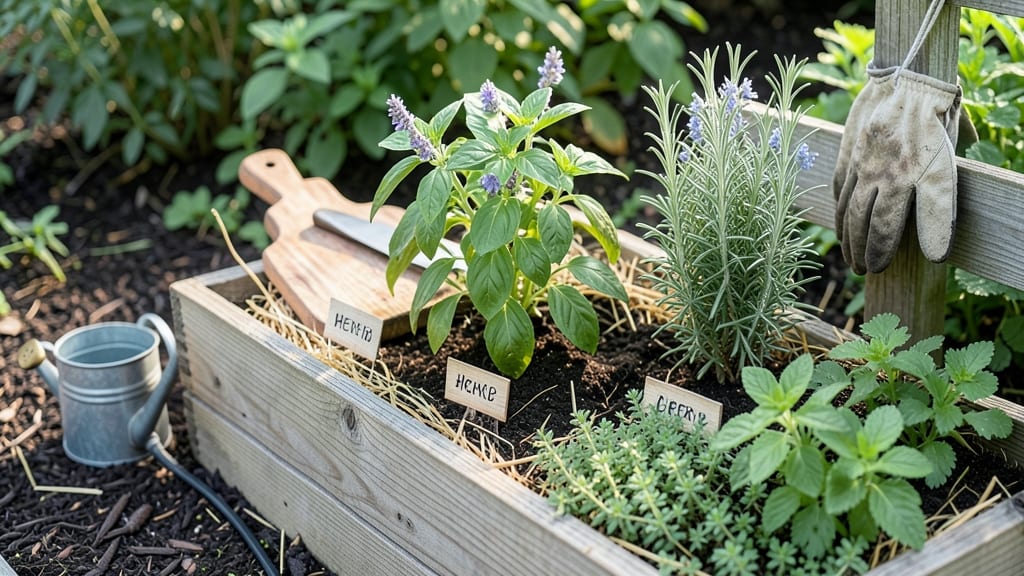
Starting herbs gardening is easiest with beginner-friendly varieties like basil, mint, and parsley, which grow quickly with minimal sunlight and consistent moisture. These hardy plants adapt well to different climates and thrive in containers or garden beds.
These herbs stand out because they're naturally resilient—basil and parsley bounce back after light pruning, while mint spreads aggressively but stays contained in pots. 🌱 The secret to their success lies in their shallow root systems, which require less frequent watering than deep-rooted vegetables.
I've found that even beginners can keep them alive by sticking to a simple routine: water when the top inch of soil feels dry, and place them where they'll get at least 4-6 hours of sunlight daily.
For extra flavor, try harvesting leaves in the morning when essential oils are most concentrated.
One of my favorite tips is to use empty containers from yogurt or butter tubs as planters—they're perfect for herbs like chives and thyme that prefer snug spaces. Just make sure the containers have drainage holes to prevent root rot, which is the #1 killer of container-grown herbs.
If you're in a hot climate, mulching around the base helps retain moisture, while cold snaps might require moving pots indoors temporarily.
💡 In This Article
- Why These Herbs Survive with Minimal Care
- Step-by-Step Guide to Planting and Maintaining Easy-Grow Herbs
Why these herbs survive with minimal care
These beginner-friendly herbs thrive because of their unique botanical traits that minimize stress on gardeners. Basil, for example, has a shallow root system that absorbs moisture quickly, reducing the need for frequent watering.
Its rapid growth cycle—producing new leaves in just 2-3 weeks—means you'll always have fresh harvests without waiting months. 🌿 The secret lies in its ability to regenerate from stem cuttings, so even if you prune too aggressively, it bounces back within days.
Mint's resilience comes from its aggressive growth habit and tolerance for poor soil conditions. Unlike finicky vegetables, mint thrives in 60% partial shade and can survive with as little as 1 inch of water per week during dry spells.
Its square stems contain essential oils that naturally repel many pests, reducing the need for chemical interventions. Parsley, meanwhile, has a biennial growth pattern where the first year focuses on leaf production, making it extremely forgiving for new growers.
The key environmental factor is their adaptability to different light conditions. While all need at least 4-6 hours of sunlight daily, they won't scorch like tomatoes in intense afternoon sun. Basil prefers morning sun and afternoon shade, while mint and parsley tolerate dappled sunlight from trees.
This flexibility means you can grow them on patios, balconies, or even kitchen windowsills with grow lights. The soil requirements are equally simple—just well-draining mix with pH 6.0-7.0 works for all three.
Pest resistance is another advantage. Basil's strong aroma deters aphids, while mint's oils keep ants at bay.
Even occasional spider mites rarely become a problem because these herbs grow so quickly they outpace most infestations. 🌱 What's more, their compact growth habits mean they don't require staking or extensive support like taller plants.
This natural hardiness translates directly to lower maintenance—no fancy fertilizers, no complex pruning schedules, just consistent moisture and occasional harvesting.
Climate adaptability is where these herbs truly shine. Basil handles USDA zones 3-11 when grown in containers (just move indoors in winter), while mint and parsley are even more versatile, surviving zones 2-11 with proper winter protection.
The trade-off? They might produce slightly smaller leaves in extreme heat or cold, but they'll always recover. This makes them perfect for urban gardeners with limited space or unpredictable weather patterns.
One often-overlooked factor is their self-regulating growth. When you harvest basil or parsley regularly, the plants focus energy on producing new leaves rather than flowering. Mint's aggressive spread actually works in your favor—it crowds out weeds naturally.
This built-in growth control means you won't end up with overgrown plants that require drastic measures to manage. 💫