
Tools
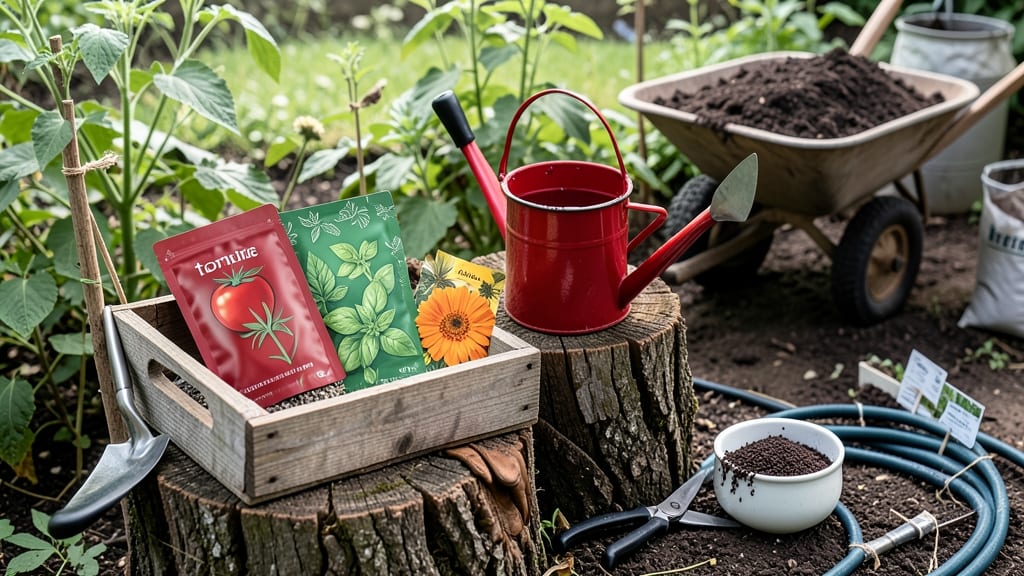
Gardening steps for beginners don’t have to be confusing—just follow a clear timeline to turn your first plot into a thriving harvest in just 12 weeks.
Picture this: fresh tomatoes still warm from the vine, crisp lettuce straight from the garden, or fragrant herbs ready to season your meals. The reality? Many beginners stall at Week 3, unsure if their seedlings are getting enough light or whether that wilted leaf means disaster.
This guide cuts through the guesswork with a week-by-week plan, so you skip the trial-and-error and focus on what actually works.
We’ll start with the basics—soil prep, seed starting, and the tools you’ll actually use (no unnecessary gadgets here)—then move into planting, watering, and fertilizing like a pro.
Along the way, I’ll flag the most common mistakes that derail new gardens, like overwatering or planting too deep, so you avoid them before they happen.
By the end, you’ll know exactly when to plant, how to troubleshoot pests, and how to stretch your harvest beyond the first 12 weeks. Ready to dig in? Let’s get your garden growing with confidence.
Week-by-week gardening steps for beginners: soil to seedlings
Starting a garden can feel overwhelming, but breaking it down into manageable weekly steps makes it achievable. Whether you're growing vegetables, herbs, or flowers, this timeline ensures you focus on the right tasks at the right time.
I’ve structured it to cover everything from soil prep to seedling care, so you’ll avoid common mistakes and see progress every week.
Your first priority is preparing your garden beds. Test your soil pH (aim for 6.0–7.0 for most plants) and amend it with compost or aged manure.
This step is critical—poor soil leads to weak plants and poor yields. I recommend using a soil test kit from your local garden center for accuracy.
Once your soil is ready, it’s time to plan your planting layout. Group plants with similar water needs and sunlight requirements together. Draw a simple sketch or use a grid to map out where each plant will go. This organization saves time during watering and weeding later on.
Now, let’s dive into the 12-week timeline. Each week focuses on specific tasks to keep your garden on track. Below is a summary of key actions, but I’ll break down each week in detail so you know exactly what to do.
Week 1-2 is all about soil preparation. After testing your soil, add organic matter like compost or well-rotted manure to improve drainage and nutrient content.
I recommend working in at least 2-3 inches of compost for best results. This step ensures your plants have a strong foundation to grow.
By Week 3, you’ll start sowing seeds indoors if you’re growing cool-season crops like lettuce or spinach. Use seed trays with drainage holes and keep them in a warm, sunny spot. If you’re planting directly outdoors, wait until the soil temperature reaches at least 60°F.
Weeks 5-6 focus on hardening off seedlings. This means gradually exposing them to outdoor conditions to prevent shock. Start with just an hour or two in a sheltered spot, then increase the time over 5-7 days. I’ve seen many beginners skip this step and end up with wilted seedlings.
Transplanting happens in Weeks 7-8. Choose a cloudy day or evening to reduce stress on the plants. Water them thoroughly before and after transplanting to help them establish roots. I like to add a mulch layer around the base to retain moisture and suppress weeds.
Once your plants are in the ground, focus on consistent watering and fertilizing during Weeks 9-10. Water deeply in the morning to encourage strong root growth. Apply a balanced
Critical gardening mistakes to avoid in your first 12 weeks
Your first 12 weeks of gardening are packed with excitement—but also hidden pitfalls that can sabotage your plants before they even take root. I’ve seen overwatering drown seedlings, poor sunlight placement stunt growth, and incorrect planting depth leave roots exposed.
These mistakes aren’t just frustrating; they can mean the difference between a thriving garden and a sad pile of wilting leaves.
As someone who’s made every beginner error myself, I know how overwhelming it feels to troubleshoot problems when your plants start looking stressed. The good news? Most of these issues have simple fixes if you catch them early.
Let’s tackle the top 3 mistakes that trip up new gardeners—and how to avoid them before they derail your progress.
⚠️ Warning: The 3 Costliest Gardening Mistakes
Mistake 1: Overwatering – Most beginners drown plants by assuming "more water = better growth." Soil should be moist but not soggy—stick your finger 1 inch deep; if it's damp, wait.
Mistake 2: Ignoring sunlight needs – A shady windowsill won’t grow tomatoes, but direct midday sun can scorch lettuce. Research your plants’ light requirements before planting.
Mistake 3: Planting too deep – Burying seeds or seedlings too far delays germination or strangles roots. Follow the "seed depth = 2-3x seed width" rule.
The first mistake I made was overwatering my basil because I thought it needed constant moisture. Within days, the leaves turned yellow and drooped—classic root rot signs. I switched to watering only when the top inch of soil felt dry, and within a week, the plant perked up.
The key? Less frequent, deeper watering encourages roots to grow downward for stability.
Sunlight is another sneaky culprit. I once placed my pepper plants under a skylight that only got 3 hours of sun daily. They grew tall and leggy, producing tiny, bitter peppers. After moving them to a south-facing window with 6+ hours of light, they flourished.
Always check your plants’ tags for sunlight requirements—most vegetables need full sun, while herbs like parsley tolerate partial shade.
Even experienced gardeners sometimes mess up planting depth. I once buried my marigold seeds an inch too deep, and they never sprouted. The rule of thumb? Plant seeds at a depth equal to 2-3 times their width.
For seedlings, only cover the roots—not the stem—unless specified otherwise. A quick soil check with your finger can save you from this common oversight.
Here’s my pro tip: Keep a gardening journal to track watering, sunlight, and planting details. Note what works (and what doesn’t) so you can adjust next season. For example, I learned my zucchini plants needed 1-2 inches of water per week and wilted if I skipped watering during heatwaves.
Small adjustments make a big difference!
By avoiding these three mistakes, you’ll set your garden up for success in those crucial first 12 weeks. Remember, every gardener—even the pros—has faced these challenges. The difference? They learned from them. Now it’s your turn to grow confidently and watch your plants thrive! 🌱