
Pests
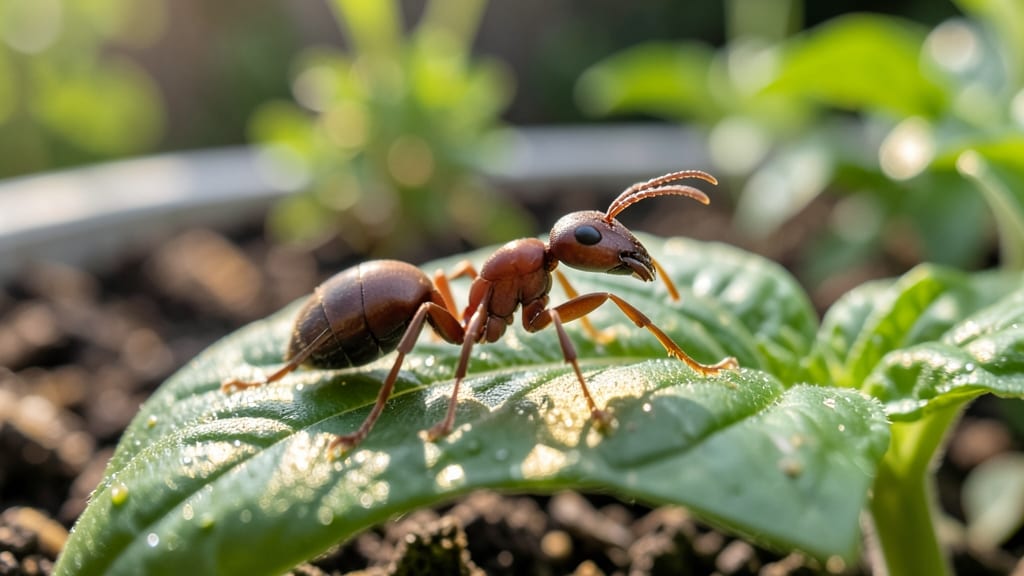
Managing ants in raised garden beds starts with natural methods like sealing entry points with diatomaceous earth, using physical barriers such as copper tape, or introducing beneficial predators like nematodes and ladybugs. Chemical pesticides should be avoided to maintain soil and plant health.
Ants in raised garden beds often seek out food sources like fallen fruit, plant sap, or even moisture from irrigation.
These tiny workers are drawn to the elevated, dry environment of raised beds because it provides easy access to your plants without competing with ground-level predators. 🔥 The key to control is understanding their behavior—ants follow scent trails and prefer nesting in areas with shelter and food availability.
Instead of reaching for harsh chemicals, focus on creating an unwelcoming environment. For example, sprinkling diatomaceous earth around the bed's edges disrupts their exoskeletons, while copper tape acts as a natural barrier they won't cross.
Introducing beneficial insects like ladybugs or nematodes adds an ecological balance without harming your garden's ecosystem.
💡 In This Article
- Why Ants Invade Raised Garden Beds
- Natural Ant Deterrents for Raised Beds
Why ants invade raised garden beds
Raised garden beds create the perfect ant buffet—elevated, dry, and packed with easy access to food sources like fallen fruit, plant sap, and even your irrigation water. Ants are drawn to these environments because they offer shelter from ground predators and consistent moisture levels.
The 1-2 inch soil depth in raised beds provides ideal nesting conditions, while the bed's edges become highways for their scent trails. 🔥 Unlike ground-level gardens, raised beds lack natural competition from larger soil organisms, making them prime real estate for ant colonies.
The invasion begins when scout ants detect food sources—think overripe berries, honeydew from aphids, or spilled nectar—and leave pheromone trails that recruit thousands of workers. Ants prefer raised beds because the elevated structure gives them a vantage point to spot food while avoiding ground-dwelling threats.
In warmer climates, their activity peaks during 70-85°F temperatures, while cooler regions see increased activity in late spring when soil warms. The dry, well-drained nature of raised beds also makes them attractive for moisture-seeking ants like pavement ants or odorous house ants.
Ants don't just invade for food—they're also creating highways for other pests. Carpenter ants, for example, can cause structural damage to wooden raised bed frames by tunneling through moist wood. Meanwhile, Argentine ants form supercolonies that can blanket entire garden beds, disrupting beneficial insects and plant roots.
The key to understanding their behavior is recognizing that ants are ecosystem engineers—they till soil, disperse seeds, and even control some pests. However, their presence can quickly become overwhelming when food sources are abundant and natural predators are scarce.
Seasonal patterns play a huge role in ant activity. In spring, ants focus on nest expansion, while summer brings peak foraging. As temperatures drop in fall, they retreat deeper into the soil, only to re-emerge in spring.
This cycle explains why ant problems often spike in late summer when gardens are at their most productive. The elevated nature of raised beds accelerates this cycle—they warm up faster than ground soil, creating ideal conditions for early spring activity. Understanding these patterns helps you time your deterrent strategies effectively.
What most gardeners don't realize is that ants often serve as early warning systems for other issues. Their presence near plant roots might indicate overwatering or fungal problems, while trails leading to specific plants can reveal aphid infestations.
By observing ant behavior, you gain insights into your garden's health beyond just pest control. For example, fire ants will aggressively defend their nests, while harvester ants collect seeds—both behaviors provide clues about your soil's condition and plant diversity. 🌱
Climate also shapes ant species and behavior. In arid regions, you'll encounter moisture-seeking species like odorous house ants, while humid climates attract sugar-loving Argentine ants. Rainfall patterns matter too—after heavy rains, ants may temporarily abandon surface trails as they focus on nest maintenance.
This seasonal variability means your ant control strategy should be flexible, adapting to both the time of year and your specific regional ant species. Knowing whether you're dealing with carpenter ants (wood-dwellers) or pavement ants (surface foragers) completely changes your approach.