
Light Requirements
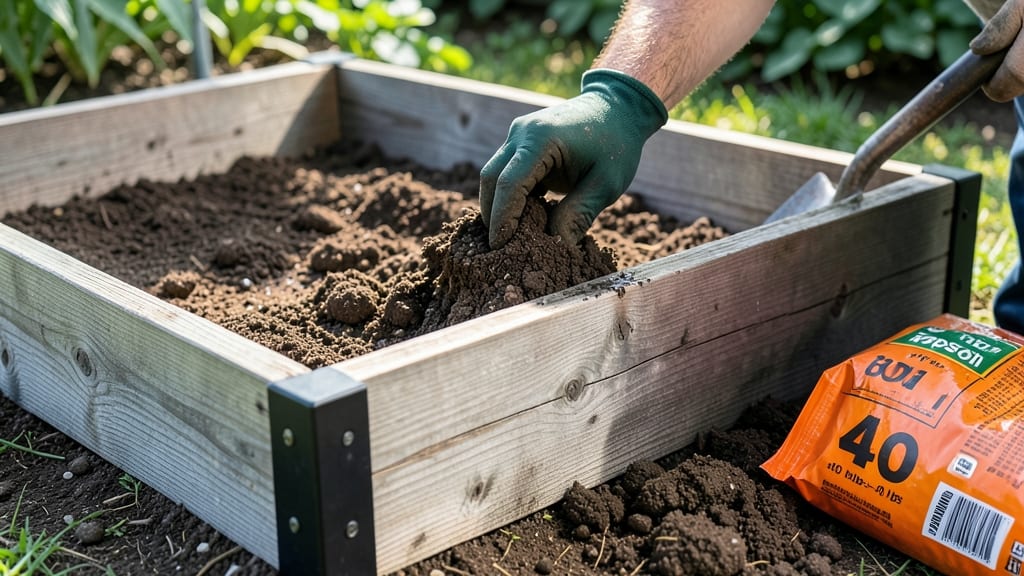
To determine how much soil for a raised garden bed, plan for 6 to 12 inches of depth—6 inches works for leafy greens like lettuce, while root vegetables (carrots, potatoes) thrive with 10–12 inches. Create a nutrient-rich mix using equal parts topsoil, compost, and perlite/sand to balance drainage and fertility. Calculate total volume by multiplying bed dimensions (length × width × depth), such as 4’×8’×12” equaling 32 cubic feet of soil.
Getting the soil depth right isn't just about filling space—it's about giving your plants the room they need to grow strong roots and access nutrients. 🌱 A deeper bed (10–12 inches) lets root crops like tomatoes and carrots spread out, while shallower beds (6 inches) work perfectly for herbs and greens.
The key is balancing organic matter (compost) with drainage (perlite/sand) to prevent waterlogging, which can suffocate roots. I always recommend testing your soil's drainage before planting, especially in clay-heavy areas where water can pool.
For practical planning, think beyond just depth—consider your bed's dimensions and the types of plants you're growing. A 4’×8’ bed with 12 inches of soil requires about 32 cubic feet of mix, which translates to roughly 16–20 40-pound bags of soil blend.
Pro tip: buy a few extra bags to account for settling, and mix in a slow-release fertilizer to give your plants a nutrient boost right from the start.
💡 In This Article
- Why Raised Garden Bed Soil Depth Matters for Plant Growth
- Raised Garden Bed Soil Calculator: Step-by-Step Volume Guide
Why raised garden bed soil depth matters for plant growth
Soil depth in raised beds directly impacts root development and nutrient access.
Plants like lettuce or radishes thrive in just 6 inches of soil because their roots max out at 12–18 inches long—this depth provides enough space for nutrient uptake and moisture retention. 🌱 However, deeper-rooted crops like tomatoes or carrots need 10–12 inches to establish strong structural roots that can reach 2–3 feet below ground.
The extra depth also prevents roots from hitting the bed's bottom barrier (like landscape fabric or wood), which can stunt growth.
Moisture retention and aeration are critical factors tied to depth. A 6-inch bed dries out faster because the top layer heats up quicker in sunlight, evaporating water before roots can absorb it. Deeper beds (10–12 inches) maintain cooler, more stable temperatures near the bottom, where roots thrive.
The soil profile also matters: the top 4 inches should be rich in compost for microbial activity, while the lower 6 inches benefit from perlite or sand to improve drainage—especially in clay-heavy soils where water pools and roots suffocate.
Nutrient availability follows a vertical gradient too.
Shallow beds (6 inches) limit root exploration, forcing plants to compete aggressively for nutrients in the topsoil layer. 🌿 In contrast, deeper beds allow roots to access a wider range of soil horizons, accessing minerals like phosphorus (critical for flowering) and potassium (essential for fruit development).
For example, a 12-inch bed can support a tomato plant’s 30+ pounds of fruit because its roots spread out horizontally and vertically, accessing more nutrients and water.
Long-term soil health hinges on this depth too. Shallow beds compact faster under foot traffic or rain, reducing pore space for air and water. Deeper beds (10–12 inches) resist compaction better, maintaining 20–30% porosity—ideal for root respiration and microbial activity.
This is why professional growers often use 18-inch-deep beds for high-value crops: the extra space prevents root-bound stress and extends the bed’s productive lifespan by 3–5 years before needing a full soil refresh.
Consider your plants’ life cycles when planning depth. Fast-growing crops like bush beans or spinach can handle 6 inches, but perennials like asparagus or artichokes need 12+ inches to establish their extensive root systems.
Even herbs vary: basil thrives in 6 inches, while rosemary’s deep taproot demands 10–12 inches. Pro tip: group plants by root depth in your bed layout to optimize space and resources.
One common mistake is assuming "more soil is always better." While 12 inches is ideal for most vegetables, beds deeper than 18 inches can become waterlogged at the bottom, creating anaerobic zones where roots rot.
The sweet spot balances depth, drainage, and plant needs—10–12 inches covers 90% of garden crops without overcomplicating your setup. 💫