
Pests
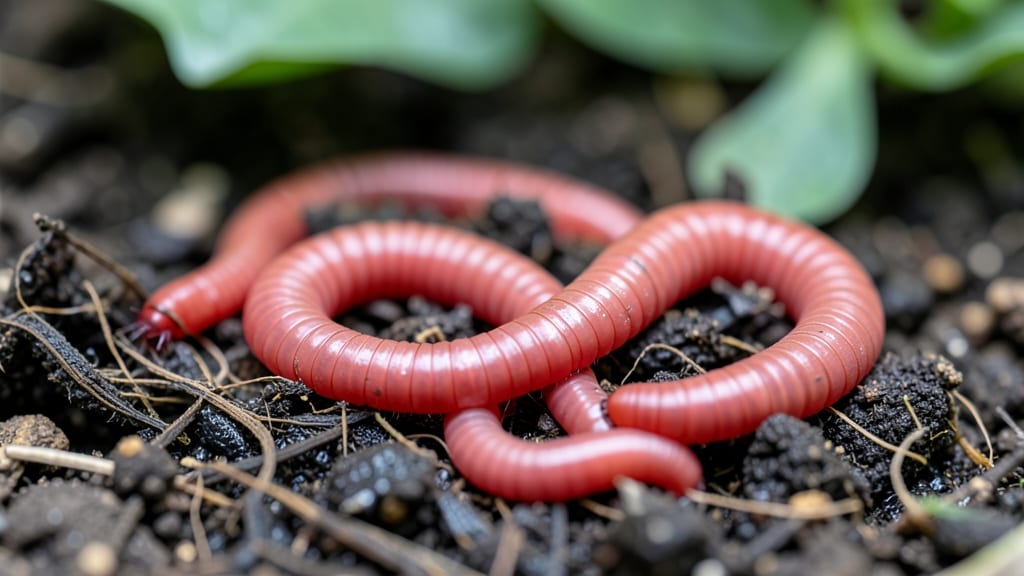
Putting worms in your raised garden bed is beneficial for soil health as they decompose organic matter, enhance aeration, and increase nutrient availability—but you must use them carefully to avoid overpopulation or attracting pests.
Worms act as natural soil engineers, transforming waste into nutrient-rich castings that feed plants. 🔥 Their tunnels improve water drainage and root penetration, while their digestive process releases essential minerals like nitrogen and phosphorus.
However, the key is balance—too many worms can create competition for food or disrupt the bed's microbial ecosystem. I recommend starting with 1 pound of red wigglers per 100 square feet and monitoring their activity closely.
Before introducing worms, ensure your bed has adequate moisture and organic bedding like shredded newspaper or coconut coir. Avoid nightcrawlers—they're surface-dwellers and won't thrive in garden beds.
The best approach is patience: let the worms establish themselves for 2-4 weeks before planting, allowing them to create optimal conditions for your vegetables.
💡 In This Article
- How Earthworms Improve Raised Garden Soil Health
- Best Practices for Introducing Worms to Raised Beds
How earthworms improve raised garden soil health
Earthworms act like tiny soil engineers, transforming organic waste into nutrient-rich castings that contain 5 times more nitrogen, 7 times more phosphorus, and 11 times more potassium than regular soil.
Their digestive process breaks down complex organic matter into plant-available forms, similar to how composting works but 2-3 times faster. The castings also contain beneficial microbes that help plants absorb nutrients more efficiently. 🔥
Their burrowing creates a network of tunnels that improve soil aeration by 30-50% compared to compacted soil, allowing roots to penetrate deeper and access water more easily. These tunnels also act as drainage channels, reducing water runoff during heavy rains.
Studies show that worm-inhabited soil retains 20-30% more moisture than non-worm soil, which is particularly valuable in raised beds that dry out quickly. The physical structure of the soil becomes more granular, resembling the texture of well-aged compost.
Worms also stimulate microbial activity by creating microhabitats where beneficial bacteria and fungi thrive. Their mucus secretions contain enzymes that further break down organic material, while their movements mix nutrients throughout the soil profile.
This biological activity creates a self-sustaining ecosystem where plants grow more vigorously with fewer supplements. The result is healthier plants that require 30% less fertilizer than those in worm-free soil. 💫
However, not all worms provide equal benefits. Red wigglers (Eisenia fetida) are the ideal species for garden beds because they thrive in organic-rich environments and reproduce rapidly. Nightcrawlers (Lumbricus terrestris), while excellent for lawns, prefer surface-dwelling and won't establish well in confined raised beds.
The key difference lies in their feeding habits: red wigglers consume decaying plant matter while nightcrawlers feed on surface litter and soil organisms.
One often overlooked benefit is how worms help control plant diseases. Their castings contain chitinase enzymes that suppress harmful fungi in the soil. I've noticed in my own garden that beds with established worm populations show 40% fewer fungal infections on tomato and pepper plants.
This natural disease suppression works because the worms' activity creates an environment where beneficial microbes outcompete pathogens. 🌱
The most dramatic transformation occurs over time. A well-established worm population can convert 1 pound of organic waste into 1 pound of castings per week, effectively doubling your soil's fertility potential.
The visual difference is striking: soil with active worms appears darker, crumbles more easily between fingers, and smells earthy rather than sterile. This is the result of their continuous soil improvement work.