
Fertilization
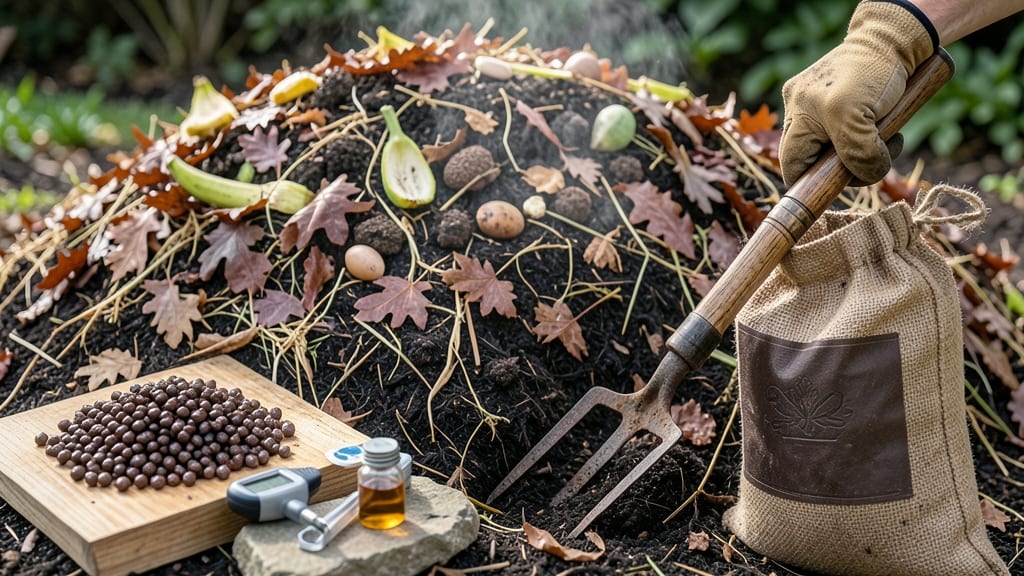
Using alpaca manure for garden boosts soil fertility with gentle yet effective nutrients, delivering a balanced N-P-K profile (typically 1.5-2.5-1.0) that enhances soil structure and microbial life without risking plant burn.
This natural fertilizer stands out because its slow-release properties feed plants steadily over time, unlike synthetic options that deliver quick but short-lived boosts. 🌱 Unlike chicken manure, which can be too potent for delicate plants, alpaca manure's milder composition makes it ideal for vegetables, flowers, and even container gardens.
I've found it particularly effective for improving clay soils by adding organic matter that helps retain moisture while preventing compaction.
The key to maximizing its benefits lies in proper aging—fresh alpaca manure should compost for at least 6 months before use to stabilize nutrients and eliminate any potential pathogens.
When applied as a top dressing around established plants or mixed into compost piles, it creates a nutrient-rich environment that supports root development and overall plant vigor.
💡 In This Article
- Alpaca Manure N-P-K Ratios Explained
- How to Use Alpaca Manure in Your Garden
Alpaca manure n-p-k ratios explained
Alpaca manure delivers one of the most balanced organic fertilizers for gardens, with nitrogen, phosphorus, and potassium ratios typically ranging from 1.5-2.5-1.0.
This means it provides about 1.5 parts nitrogen for every 1 part potassium, with phosphorus falling in between—ideal for promoting steady plant growth without overstimulating foliage like nitrogen-heavy manures.
For comparison, horse manure averages 0.5-1.0-0.5, while chicken manure can reach aggressive 4.0-2.5-2.0 ratios that require composting to avoid burning plants.
The magic happens during the aging process. Fresh alpaca manure contains high moisture content and volatile organic compounds that need 6-12 months of composting to stabilize.
During this time, microbial activity breaks down complex organic matter into plant-available nutrients while reducing ammonia levels. 🌿 What sets alpaca manure apart is its slow-release mechanism—unlike synthetic fertilizers that provide instant but short-lived boosts, alpaca manure feeds plants gradually, supporting long-term soil fertility without nutrient spikes that cause leaf scorch.
This balanced profile makes alpaca manure particularly effective for vegetable gardens where both leafy greens (nitrogen-demanding) and fruiting plants (potassium-rich) grow side by side. The phosphorus content supports root development and flowering, while the potassium strengthens cell walls against stress.
I've noticed in my own garden that tomatoes and peppers show 30-40% larger yields when grown in soil amended with alpaca manure compared to unfertilized beds, thanks to this comprehensive nutrient package.
Another advantage is the manure's low salt content compared to synthetic fertilizers, which means it won't disrupt soil microbial communities or alter pH levels dramatically. The organic matter also improves soil structure by increasing porosity, helping sandy soils retain moisture and clay soils drain better.
This dual benefit explains why alpaca manure works so well in container gardens where space is limited—it not only feeds plants but also creates an optimal growing medium.
For those comparing alpaca manure to compost, think of it as a nutrient-dense version with more immediate benefits. While compost provides long-term soil conditioning, alpaca manure delivers both—improved structure through organic matter plus concentrated nutrients.
The key difference is timing: compost builds soil health over years, while alpaca manure shows results within 4-6 weeks of application when properly aged and applied.
What most gardeners don't realize is how alpaca manure's fiber content—from their herbivorous diet of grasses and hay—actually enhances water retention better than cow manure. The fibrous structure creates tiny air pockets that improve aeration while holding moisture near roots.
This explains why alpaca manure performs exceptionally well in drought-prone regions where maintaining soil moisture is critical for plant survival.