
Vegetables
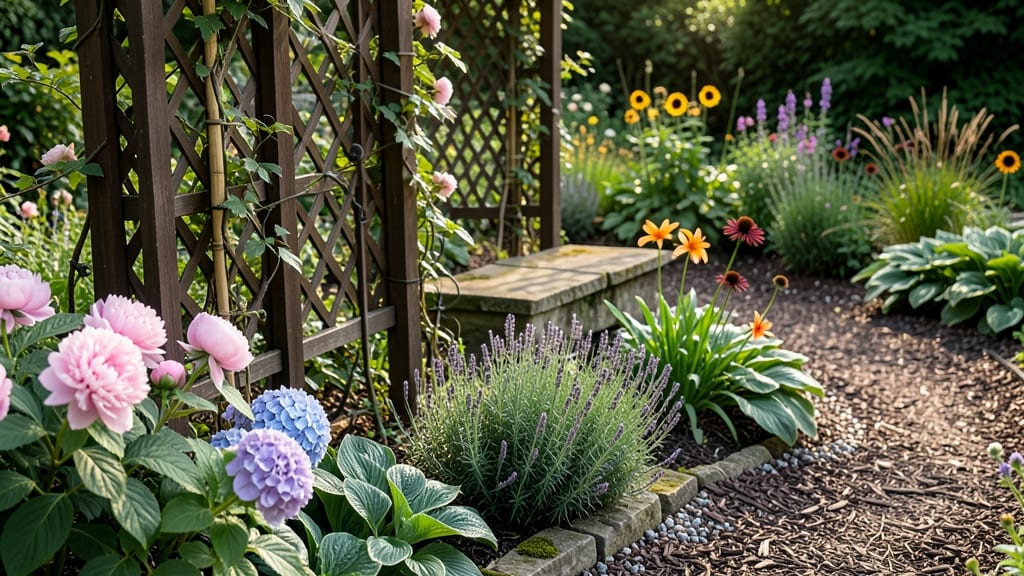
AHS reciprocal gardens connect gardeners through plant-sharing networks where you can trade seeds, cuttings, and live plants to expand your collection, preserve rare botanicals, and build community—all without spending money. Participation is based on mutual interest rather than commercial transactions.
These gardening circles operate under the American Horticultural Society's framework, creating a sustainable way to access diverse plant varieties while reducing waste. 🌱 The system works by listing what you have to offer—whether heirloom seeds or hard-to-find perennials—and requesting what others share, often with minimal paperwork.
What makes it special is how it bridges gaps between hobbyists and conservationists, ensuring heirloom varieties don't disappear from home gardens.
The real magic happens when you tap into the collective knowledge of the group. Many members specialize in specific plants, so you might trade a rare tomato variety for a cutting of a drought-resistant succulent you've been searching for.
The AHS provides tools to verify plant health and authenticity, making the process both rewarding and reliable.
💡 In This Article
- How AHS Reciprocal Gardens Facilitate Seed and Plant Conservation
- Top Tips for Joining and Maximizing Your AHS Reciprocal Garden Experience
How AHS reciprocal gardens facilitate seed and plant conservation
The American Horticultural Society's reciprocal gardens act as a lifeline for genetic diversity by preserving heirloom seeds that commercial companies often overlook. These seeds carry unique traits developed over centuries—like disease resistance in 19th-century tomato varieties or drought tolerance in Native American corn strains.
When gardeners trade seeds through AHS networks, they help maintain these genetic lines that might otherwise vanish from cultivation. 🌱
At the core of this system is the concept of "seed sovereignty"—where gardeners become stewards of biodiversity rather than passive consumers. AHS provides standardized protocols for seed saving and labeling, ensuring purity and viability.
For example, their Seed Savers Exchange program includes guidelines for isolating plants to prevent cross-pollination, which could otherwise dilute genetic integrity. This meticulous approach preserves traits that modern agriculture often discards in favor of uniformity.
The ecological impact extends beyond genetics. By trading rare plants, members create micro-reserves in their own backyards that support pollinators and local ecosystems. A 2018 AHS study found that reciprocal gardeners collectively maintained 12,000+ unique plant varieties—many of which wouldn't survive in commercial seed banks due to storage costs.
This grassroots conservation complements professional efforts while keeping plants accessible to home growers.
What sets AHS apart is their verification system. Before trades occur, members must confirm plant health and accurate labeling—a process that prevents the spread of diseases or misidentified species. For instance, a gardener offering black truffle-producing mushrooms would need to provide cultivation details and spore samples for verification.
This trust-building ensures the network remains reliable for both novices and experts.
Consider the case of heirloom peppers like 'Ariane' or 'Hungarian Wax'. These varieties often disappear from seed catalogs but thrive in reciprocal networks because gardeners actively grow and share them. The AHS tracks these trades through a digital platform, creating a living database of what's available nationwide.
This real-time inventory helps members find exactly what they need—whether it's a heat-resistant squash for urban gardens or a fragrant rose cutting for landscape projects.
The conservation benefits ripple outward. When you participate, you're not just adding to your garden—you're helping sustain agricultural heritage. For example, the 1893 Chicago World's Fair tomato, once thought extinct, was rediscovered through a reciprocal trade in 2015.
These networks turn private gardens into public archives of botanical history. ✨
What most people don't realize is how these trades create a feedback loop for improvement. Gardeners often refine techniques while sharing plants—like perfecting cold-frame methods for tender perennials or developing pest-resistant growing strategies. This collective knowledge becomes embedded in the plants themselves, creating a living library of adaptive traits.