
Pruning
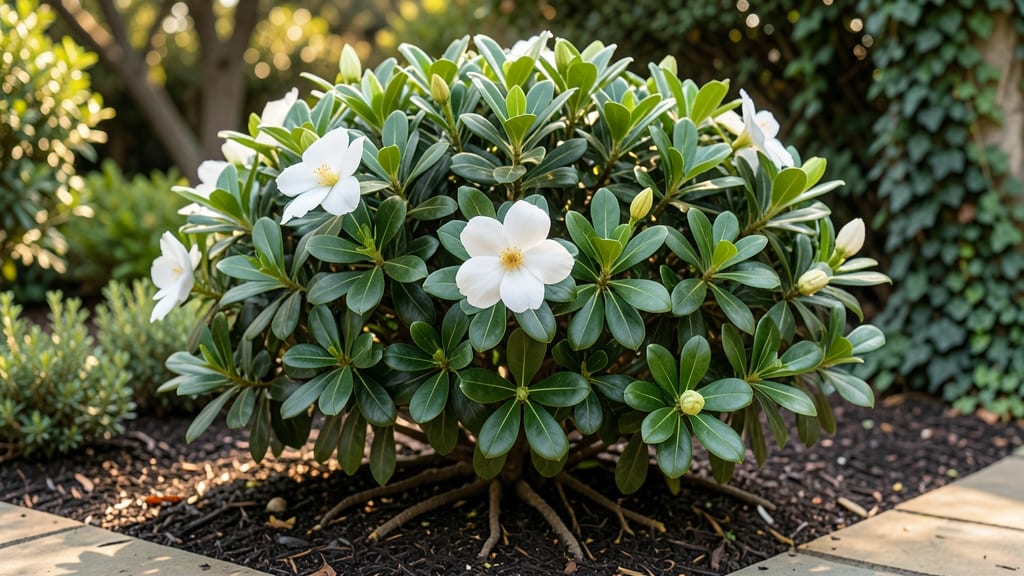
A gardenia tree’s size can range from 3 feet to over 15 feet tall, depending on the variety and care you give it.
If you’ve ever dreamed of adding fragrant, creamy-white blooms to your garden but worried about gardenia trees outgrowing their space, you’re not alone. These tropical beauties can grow surprisingly fast under the right conditions, so knowing their mature size is key to planning your landscape with confidence.
Whether you’re working with a dwarf variety for a small yard or a standard gardenia for a bold statement, spacing matters. Too little room means crowded roots and fewer blooms, while too much space can leave your garden looking sparse.
The good news? Pruning and proper placement can help you control their growth and keep them thriving.
In this guide, I’ll break down everything you need to know about gardenia tree size—from how quickly they grow to the best spacing for planting. You’ll learn how to match the right variety to your space and keep your garden looking lush without sacrificing those intoxicating blooms.


How tall and wide do gardenia trees grow? Mature size guide
If you're planning to add a gardenia tree to your landscape, knowing its mature size is essential for spacing and design. These tropical beauties come in different varieties, each with unique growth habits.
The common gardenia (Gardenia jasminoides) typically grows between 6 to 15 feet tall, while the Cape plum (Tabernaemontana) can reach even taller heights. Understanding these dimensions helps you choose the right variety for your space.
Gardenias thrive in USDA zones 9b-11, where they can grow rapidly with proper care. In cooler climates, they may grow slower or require container planting. The width of gardenia trees usually matches their height, creating a balanced, rounded shape.
For example, a 10-foot-tall gardenia might spread 8 to 12 feet wide, making them ideal for hedges or privacy screens.
Dwarf varieties are perfect for smaller gardens or containers, typically reaching 3 to 5 feet tall and 3 to 4 feet wide. These compact options include Gardenia 'Kleim's Hardy' and 'Radicans', which are bred for easier maintenance. Meanwhile, standard varieties like 'Veitchii' can tower over 12 feet tall, requiring more space and regular pruning.
| Variety | Mature Height | Mature Width | Growth Rate | Sunlight Needs |
|---|---|---|---|---|
| Common Gardenia (Gardenia jasminoides) | 6-15 ft | 6-12 ft | Moderate (1-2 ft/year) | Partial shade |
| Cape Plum (Tabernaemontana) | 10-20 ft | 8-15 ft | Fast (2-3 ft/year) | Full sun to partial shade |
| Dwarf Gardenia (e.g., 'Kleim's Hardy') | 3-5 ft | 3-4 ft | Slow (6-12 in/year) | Partial shade |
Light exposure plays a crucial role in how tall and wide your gardenia grows. In full sun conditions, gardenias may grow taller but can suffer from leaf scorch. Partial shade, especially morning sun with afternoon shade, promotes healthier growth and more abundant blooms.
If you live in a hot climate, providing afternoon shade can prevent stress and maintain a compact, bushier shape.
Pruning is another way to control the size of your gardenia tree. Regular pruning in late winter or early spring encourages bushier growth and prevents legginess. For standard varieties, prune back one-third of the new growth each year to maintain a manageable height.
Dwarf varieties need minimal pruning but benefit from light shaping to encourage a fuller, denser form.
When planting gardenias, consider their mature size to avoid overcrowding. For example, planting two 10-foot-tall gardenias 8 feet apart ensures they have enough space to grow without competing for nutrients.
In containers, choose pots that are at least 18 inches in diameter for dwarf varieties and 24 inches or larger for standard types to accommodate their root systems.
Soil quality also affects growth. Gardenias prefer well-draining, acidic soil with a pH of 5.0 to 6.5. Amending your soil with peat moss or compost can improve drainage and provide essential nutrients.
Mulching around the base of the plant helps retain moisture and keeps roots cool, which is especially important in hot, dry climates.
If you're growing gardenias in containers or urban settings, choose dwarf varieties to save space. These smaller plants still produce fragrant blooms but require less maintenance.
For example, 'Radicans' gardenias are perfect for patios or balconies, reaching only 3 to 4 feet tall while spreading 2 to 3 feet wide. With proper care, even container-grown gardenias can thrive and reward you with stunning flowers.
In summary, gardenia trees vary in size depending on the variety, sunlight, and care. Whether you choose a tall, standard gardenia for a privacy screen or a compact dwarf for a container, understanding their mature dimensions ensures your garden remains both beautiful and functional.
Plan accordingly, and enjoy the sweet, intoxicating fragrance of your gardenia blooms all season long! 🌸
Gardenia tree growth rate: how fast do they grow per year?
Gardenia trees are known for their intoxicating fragrance and glossy foliage, but their growth rate can surprise even experienced gardeners. In their first year, these tropical beauties typically grow just 1-2 feet, establishing a sturdy root system.
By year three, they can reach 5-8 feet under ideal conditions, with mature specimens topping out at 6-15 feet depending on the variety. Understanding this growth pattern helps you plan for their long-term space needs.
Several factors influence how quickly your gardenia tree grows, including climate zone, soil quality, and watering consistency. In warmer zones like 9-11, gardenias thrive year-round, while cooler zones may see slower growth during winter months.
Proper care can accelerate growth by up to 30%, turning a modest sapling into a lush, fragrant centerpiece faster than expected.
- 1 Year 1: 1-2 ft growth (focus on root development)
- 2 Year 2-3: 3-5 ft annually (rapid vertical growth)
- 3 Mature Rate: 6-12 inches per year (slower steady growth)
- 4 Dwarf Varieties: 1-2 ft per year (compact growth habit)
- 5 Seasonal Spike: Spring growth surge (30-50% faster)
To maximize growth, focus on acidic soil with a pH between 5.0-6.5, as gardenias are particularly sensitive to alkaline conditions. Amend your soil with peat moss or sulfur if needed, and mulch with pine needles to maintain acidity.
In USDA zones 8-11, gardenias grow most vigorously during spring and summer, with growth slowing in cooler months. Regular deep watering—1-2 gallons per week—keeps roots hydrated without waterlogging.
Watch for warning signs of stunted growth, like yellowing leaves or sparse foliage, which often indicate poor drainage or nutrient deficiencies. If your gardenia grows slower than expected, test your soil and adjust care practices.
For example, adding a balanced 8-8-8 fertilizer in early spring can jumpstart growth and encourage abundant blooms. Prune selectively in late winter to remove dead wood and shape the tree while it's still dormant.
Seasonal growth patterns play a crucial role in managing your gardenia's size. In spring, you'll see the fastest growth as new shoots emerge, while summer maintains steady expansion. Fall growth slows as the plant prepares for winter dormancy, and winter may bring little to no growth in cooler climates.
By understanding these rhythms, you can time pruning and fertilizing for optimal results and keep your gardenia thriving year-round.
For container-grown gardenias, growth rates are typically 20-30% slower than in-ground plants due to limited root space. Choose pots at least 18 inches in diameter and upgrade containers every 2-3 years to accommodate root expansion.
With proper care, even potted gardenias can reach their full potential, making them excellent choices for patios and balconies where space is limited.