
Fertilization
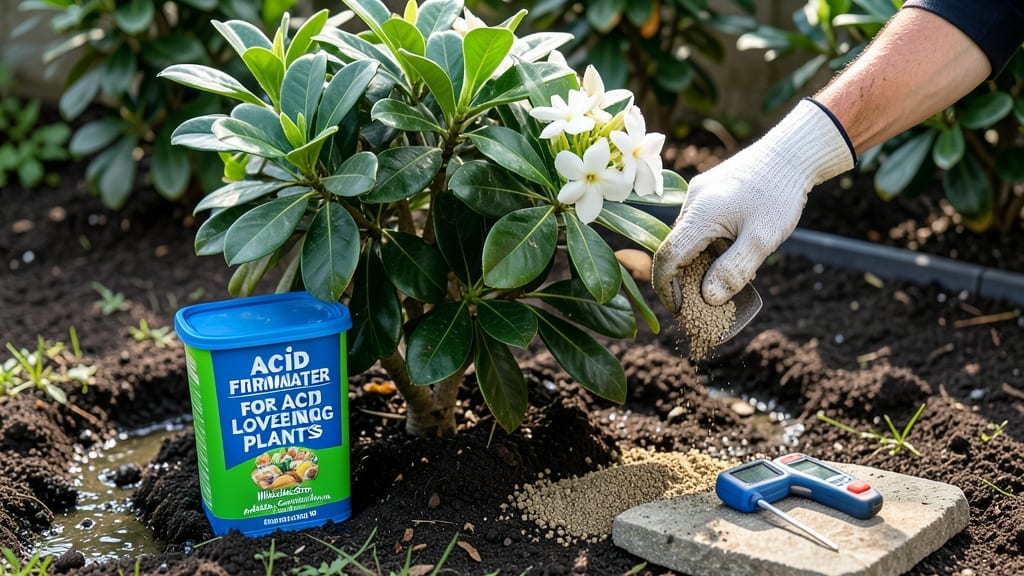
Using the right acid fertilizer for gardenias is the key to those fragrant, glossy blooms 🌸 you’ve been dreaming of.
Picture this: you’ve watered, pruned, and even babied your gardenias, but the flowers stay sparse or pale. The issue might be lurking in your soil—not enough acid. Gardenias crave a pH between 4.5 and 6.0, and without it, they simply won’t thrive.
The good news? A few simple adjustments can transform your plant’s health overnight.
In this guide, I’ll walk you through how to pick the best acid fertilizer—whether it’s peat-based, sulfur-enhanced, or citrus-powered—and when to apply it for maximum impact. You’ll also learn how to spot signs of nutrient deficiency (like yellowing leaves or weak stems) and keep your gardenias blooming like a pro.
Ready to unlock the secret to lush, fragrant gardenias? Let’s get started with the soil science that makes all the difference.
How acid fertilizer adjusts soil pH for optimal gardenia growth
Gardenias are finicky about their soil—too alkaline, and they'll sulk with yellow leaves and sparse blooms. The secret weapon? Acid fertilizer, which lowers soil pH to their ideal range of 4.5-6.0.
Without it, nutrients like iron and manganese become locked away, starving your plants even when you're feeding them. Think of acid fertilizer as a pH balancer, tweaking your soil chemistry to unlock the nutrients gardenias crave for those fragrant white blooms we all love.
Soil pH measures acidity or alkalinity on a scale from 0 (most acidic) to 14 (most alkaline). Gardenias thrive in the acidic range (4.5-6.0), where essential nutrients dissolve and become available.
When pH drifts above 6.5, your gardenia's roots struggle to absorb iron, manganese, and phosphorus—even if you're fertilizing regularly. That's why yellowing leaves (especially between veins) or leaf drop often signal high pH, not a nutrient deficiency.
Acid fertilizers work by introducing sulfur, aluminum, or organic acids that react with soil minerals, lowering pH over time. Common types include iron sulfate (fast-acting), aluminum sulfate (stronger effect), and peat-based fertilizers (gentler, long-term).
Each has pros: iron sulfate fixes deficiencies quickly, while peat-based options gradually acidify soil without shocking roots. The key is matching the fertilizer to your gardenia's current pH and your soil type.
🌱
| Soil Condition | Ideal pH Range | Signs of Imbalance | Acid Fertilizer Solution |
|---|---|---|---|
| Neutral Soil (pH 7.0) | Too high for gardenias | Yellowing leaves, poor blooms | Iron sulfate (1 tbsp/plant) |
| Slightly Acidic (pH 6.0-6.5) | Acceptable but suboptimal | Slow growth, few flowers | Peat-based fertilizer (monthly) |
| Ideal Range (pH 4.5-5.5) | Perfect for gardenias | Lush green leaves, abundant blooms | Maintenance dose (every 6 weeks) |
| Too Acidic (pH <4.5) | Harmful to roots | Brown leaf edges, stunted growth | Add lime (calcium carbonate) |
Testing your soil's pH is the first step to fixing gardenia woes. You can use a home pH test kit (cheap and easy) or send a sample to a local extension office for professional analysis.
For quick results, grab a kit from your garden center—most include color-coded strips or electronic meters. Dig a 6-inch-deep sample from around your gardenia's roots (but not directly under the trunk) and mix it with distilled water.
Compare the color to the chart to see if your soil is too alkaline, ideal, or overly acidic.
If your test reveals a pH above 6.0, start with iron sulfate—it’s fast-acting and fixes deficiencies while lowering pH. For every 1 point your soil needs to drop (e.g., from 7.0 to 6.0), apply 1 pound of iron sulfate per 100 square feet.
Sprinkle it around the root zone, water it in, and retest in 2-4 weeks. If your soil is slightly off (pH 6.0-6.5), switch to a peat-based fertilizer like Espoma Garden-Tone, which gradually acidifies soil while feeding your gardenia. These organic options also improve soil structure over time.
Overdoing acid fertilizer can backfire—if pH drops below 4.5, your gardenia's roots suffer from aluminum toxicity, causing brown leaf tips and stunted growth.
To fix overly acidic soil, add garden lime (calcium carbonate) at a rate of 5 pounds per 100 square feet for every 1 point you need to raise pH. Always retest after amendments and wait at least 2 months before reapplying acid fertilizer.
Patience is key: changing pH is a slow process, but getting it right means healthier plants and more blooms next season.
Seasonal timing matters too. In spring (when gardenias wake up), apply a light dose of acid fertilizer to encourage new growth. During summer's bloom season, feed every 4-6 weeks to sustain flowers. Skip fertilizing in fall and winter—your gardenia rests then, and extra acid could harm dormant roots.
Think of it like a slow-release pH adjustment: consistent, gentle changes keep your soil in the sweet spot for gardenias year-round.
🌿
Pro tip: Mix acid fertilizer with compost or peat moss to buffer its effects and improve soil structure. This combo provides a steady supply of nutrients while gradually adjusting pH. For container gardenias, use a pre-mixed acidic potting soil (like Miracle-Gro Azalea/Camellia Mix) and top-dress with peat moss annually.
Potted plants dry out faster and need more frequent pH checks—aim to keep them in the 5.0-6.0 range for best results. With the right balance, your gardenias will reward you with glossy leaves and heavy fragrance all season long.
✂️
Best acid fertilizers for gardenias: organic vs. synthetic options
When it comes to gardenias, acid fertilizer isn't just helpful—it's essential for those fragrant blooms and glossy leaves. But with so many options, how do you choose? Synthetic fertilizers like Miracle-Gro Azalea/Camellia deliver quick results, while organic choices like Espoma Garden-Tone build soil health over time.
Let's break down the best picks for your acid-loving gardenias.
Your gardenias need a soil pH between 5.0 and 6.5, and the right fertilizer keeps them thriving. Synthetic options provide immediate acidity boosts, while organic fertilizers improve soil structure and microbial life.
Both have their place, but your choice depends on your gardening goals—whether you want fast blooms or long-term soil health.
🌿 Organic Acid Fertilizers for Gardenias
🌱 Pros: Slow-release, improves soil structure, eco-friendly.
🌱 Cons: Takes longer to see results, pricier upfront.
🌱 Pros: High in nitrogen, budget-friendly, organic.
🌱 Cons: Can attract pests if overused, requires mixing into soil.
🌱 Pros: Lowers pH naturally, improves drainage, long-lasting.
🌱 Cons: Slow-acting, may need top-dressing annually.
🧪 Synthetic Acid Fertilizers for Gardenias
🌱 Pros: Fast-acting, easy to use, great for quick blooms.
🌱 Cons: Can burn roots if overused, not soil-building.
🌱 Pros: Quick pH adjustment, affordable, effective.
🌱 Cons: Risk of over-acidification, not a complete fertilizer.
🌱 Pros: Strong acidifier, budget-friendly, long shelf life.
🌱 Cons: Can be too harsh for sensitive plants, not organic.
If you're an eco-conscious gardener, organic options like Espoma Garden-Tone or pine bark fines are my top picks. They improve soil health over time and reduce the risk of chemical buildup.
For quick results, synthetic fertilizers like Miracle-Gro Azalea/Camellia are hard to beat, especially if your gardenias are struggling to bloom.
For best results, I recommend mixing organic and synthetic fertilizers. Use organic options like cottonseed meal in early spring to build soil, then switch to synthetic acid fertilizers during bloom season for that extra pH boost.
Always follow package instructions to avoid over-fertilizing, which can damage roots and leaves.
Remember, gardenias are sensitive to soil pH, so test your soil regularly with a pH meter or test kit. Aim for a reading between 5.0 and 6.0—this sweet spot ensures your plants stay healthy and produce those show-stopping blooms.
Ready to give your gardenias the acid boost they crave? Start with a small test batch of fertilizer to see how your plants respond, then adjust as needed. Happy gardening! 🌸