
Tools
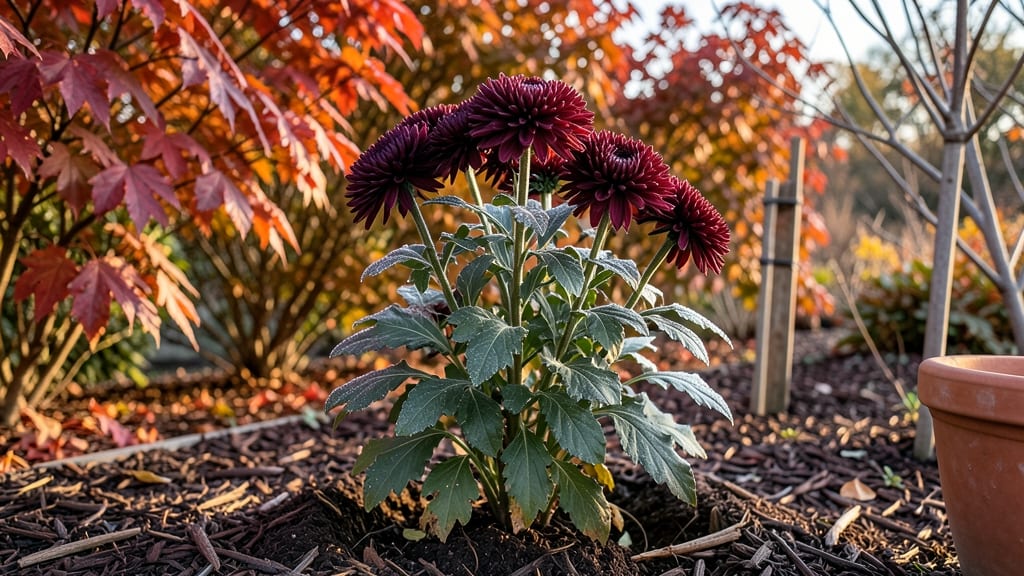
For a successful fall garden in Zone 8a, focus on planting cool-season crops like kale, spinach, and carrots 6-8 weeks before your first frost date, while garlic and onions can be added in late fall for spring harvests. Always use thick mulch to shield roots from temperature fluctuations and preserve soil moisture as daylight shortens.
Zone 8a's mild winters create the perfect window for extending your growing season well into fall, but timing is everything. 🌱 The key is matching each crop's frost tolerance with your local last-frost date—typically between late November and early December in this zone.
For instance, leafy greens like kale can handle light frosts, while root vegetables need more protection as temperatures dip. I've found that adding a cold frame or row covers can push harvests even later, sometimes into January for hardy varieties.
Proper soil preparation makes all the difference in this transitional season.
Zone 8a's clay-heavy soils often need amendments like compost or aged manure to improve drainage while retaining moisture. 💧 The goal is to create a loose, crumbly texture that roots can easily penetrate—this becomes especially critical when nighttime temperatures start fluctuating between 40°F and 60°F. I recommend testing your soil's pH too, as many fall crops prefer slightly acidic conditions (around 6.0-6.8) for optimal nutrient uptake.
💡 In This Article
- Optimal Planting Timing for Zone 8a Fall Gardens
- Top Cold-Hardy Vegetables and Herbs for Zone 8a Fall Planting
Optimal planting timing for Zone 8a fall gardens
Zone 8a's unique climate—with average winter lows of 15-20°F and summer highs of 85-90°F—creates a 60-75 day window between summer heat and first frost where cool-season crops thrive.
The science behind this timing involves understanding each plant's germination temperature thresholds (typically 50-65°F for most fall crops) and their frost tolerance levels. For example, spinach seeds need soil temperatures above 40°F to sprout, while kale seedlings can survive light frosts down to 20°F once established. 🌱
To calculate your planting window, start with your local first frost date (usually late November in Zone 8a) and work backward using each crop's days-to-maturity. Carrots, for instance, take 60-80 days to harvest, so they should go in 8-10 weeks before frost.
The USDA's Plant Hardiness Zone Map provides frost date averages, but I recommend checking your local cooperative extension service for microclimate adjustments—urban areas often frost 2-5 days earlier than rural zones due to heat island effects.
Soil temperature plays a crucial role in germination success. Use a soil thermometer to monitor conditions—most fall crops prefer 55-65°F soil for optimal seedling development. In Zone 8a, daytime highs may still reach 80°F in early fall, but nighttime lows drop rapidly.
This temperature swing is why evening planting (after 6:00 PM) often yields better germination rates, as seeds avoid the stress of daytime heat. 🌡️
For crops like garlic and onions planted in late fall for spring harvests, timing is equally critical. These alliums need 40-60 days of cold (40°F or below) to properly vernalize (a biological process that triggers flowering).
Planting too early risks premature sprouting, while waiting too long may prevent full cold exposure. The ideal window is typically 6-8 weeks before ground freezes, usually October 15-November 1 in Zone 8a.
Don't overlook the role of daylength sensitivity in fall planting. Many cool-season crops are quantitative short-day plants, meaning they flower based on daylight hours rather than temperature alone.
As days shorten below 12 hours in late September, plants like lettuce and radishes accelerate their growth cycle—a natural adaptation that gardeners can exploit by choosing fast-maturing varieties (under 45 days) for late fall harvests.
Protecting young plants from temperature fluctuations is where mulching becomes essential. A 3-4 inch layer of straw or shredded leaves can maintain soil temps within 5°F of ambient air temperatures, while also suppressing weeds.
In my experience, this simple technique has extended harvests by 2-3 weeks in Zone 8a gardens by reducing soil temperature swings that can stress developing roots. 🌿
For maximum success, maintain a planting journal tracking soil temps, frost dates, and harvest windows. This data becomes invaluable for refining your timing each subsequent year. What starts as guesswork transforms into precise science—allowing you to push your garden's limits well into winter's edge. ❄️