
Watering
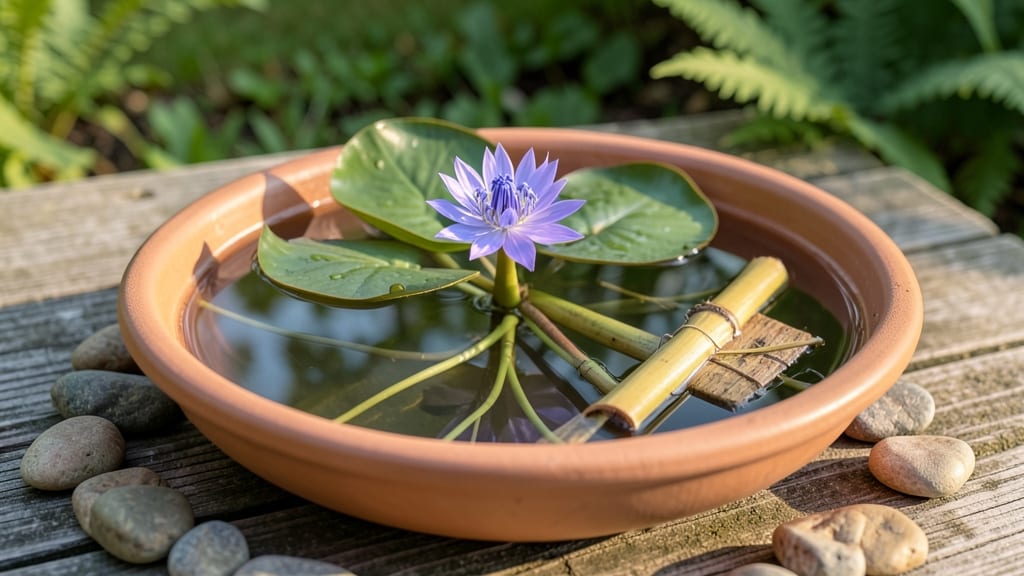
Growing container water garden plants 🌿💧 is the secret to crystal-clear pond water without the hassle of a full backyard setup.
Picture this: your small patio pond stays free of algae, fish thrive, and you never have to scrub the sides—all because the right plants are doing the work for you. These oxygenating powerhouses don’t just look beautiful; they actively filter impurities and keep your water balanced, even in tight spaces.
But not all water garden plants are created equal. Some need constant babying, while others thrive with minimal effort. The key is choosing varieties that match your container size, sunlight, and climate—especially in Zone 6, where seasons shift quickly.
I’ll walk you through the easiest, most effective options, from hardy submerged plants to floating beauties that double as natural skimmers.
By the end, you’ll know exactly which oxygenating plants to pick, how to plant them for maximum impact, and the simple care routine that keeps your container water garden running like a well-oiled machine—year after year.
Top 5 oxygenating container water plants for small ponds
If you're dealing with murky water or algae blooms in your container pond, oxygenating plants are your best allies. These underwater workhorses release oxygen through their roots and foliage, creating a healthier ecosystem while suppressing unwanted algae.
Unlike bulky pond plants, these container-friendly varieties thrive in small spaces and require minimal maintenance.
The key to success lies in selecting plants that match your container size, light conditions, and water depth. Some varieties float on the surface, while others grow submerged—each playing a unique role in water purification.
For example, Hornwort and Anacharis are submerged powerhouses, while Water Hyacinth floats and absorbs excess nutrients from the top layer.
Here’s how these plants naturally clean your water: their root systems absorb nitrates and phosphates (common algae triggers), while their leaves provide shade that blocks sunlight—starving algae of its energy source. The best part? They’re all low-maintenance and perfect for small ponds, koi ponds, or even large containers.
| Plant | Growth Habit | Light Needs | Water Depth | Maintenance |
|---|---|---|---|---|
| Hornwort (Ceratophyllum demersum) | Submerged, fast-growing | Full sun to partial shade | 1–3 ft | Trim every 4–6 weeks |
| Anacharis (Elodea canadensis) | Submerged, bushy | Partial shade to full sun | 1–4 ft | Divide every 2–3 months |
| Water Hyacinth (Eichhornia crassipes) | Floating, vibrant purple | Full sun | Surface (roots hang) | Remove old leaves monthly |
| Water Lettuce (Pistia stratiotes) | Floating, dense rosettes | Partial shade to full sun | Surface (roots submerged) | Harvest 1/3 every 6 weeks |
| Parrot’s Feather (Myriophyllum aquaticum) | Submerged, feathery | Partial shade | 1–2 ft | Prune leggy stems |
For small containers (under 50 gallons), I recommend starting with Hornwort or Anacharis—they’re hardy, grow quickly, and fit snugly in tight spaces. Place them in gravel or sand (never soil) to prevent root rot, and anchor them with pond weights or wire baskets to keep them in place.
Water Hyacinth and Water Lettuce are ideal if you want a floating garden that doubles as a natural filter. These plants absorb 30% more nutrients than submerged varieties, making them perfect for murky or nutrient-rich water. Just be cautious—they multiply rapidly, so limit them to one-third of your pond’s surface.
When choosing plants, consider your pond’s sunlight exposure. Full-sun ponds (6+ hours of direct light) can handle Water Hyacinth or Hornwort, while shady ponds (4–6 hours) thrive with Parrot’s Feather or Anacharis.
Over time, you’ll notice clearer water and fewer algae blooms—a sign your oxygenating plants are working!
Pro tip: Combine submerged and floating plants for maximum oxygenation. For example, pair Anacharis at the bottom with Water Lettuce on top. This creates a multi-layered filtration system that mimics natural ecosystems, keeping your container pond pristine with minimal effort.
One common mistake is overcrowding plants, which leads to root competition and water depletion. Aim for 10–15% plant coverage
How to plant and maintain oxygenating plants in containers
Oxygenating plants are the unsung heroes of container water gardens—they keep water clear, reduce algae, and create a thriving ecosystem for fish and other aquatic life. But planting them correctly is key to avoiding overgrowth or poor performance.
The right container setup, plant spacing, and seasonal care will ensure your oxygenating plants work efficiently without taking over. Let’s break it down step by step.
First, choose containers with 12–18 inches of depth for submerged plants like hornwort or anacharis, as these need room to spread roots. Smaller containers (6–10 inches) work for floating plants like water hyacinth or duckweed, but ensure they have weighted bases to prevent tipping.
Avoid plastic containers without drainage holes—they can trap debris and stagnate water.
Step-by-Step Planting Guide
-
Step 1: Prepare the Container
Fill the bottom with 2–3 inches of gravel (1/4–1/2 inch) for drainage and root stability. Add a layer of aquatic soil or pond mud on top to anchor plants. -
Step 2: Select the Right Plants
Mix submerged oxygenators (e.g., hornwort) with floating plants (e.g., water lettuce) for balanced oxygenation. Avoid overcrowding—aim for 1 plant per 1–2 square feet of surface area. -
Step 3: Plant Carefully
For rooted plants, bury stems 1–2 inches deep in the soil layer. Floating plants can be gently placed on the water’s surface. Use aquatic plant tabs or fertilized clay granules to provide nutrients without clouding the water. -
Step 4: Space for Growth
Leave 6–12 inches of space between plants to prevent competition. Overcrowding leads to stunted growth and poor oxygenation, defeating the purpose of your setup. -
Step 5: Add Water Gradually
Fill the container with dechlorinated water (use a water conditioner) to avoid shocking plants. Maintain 1–2 inches of water above the soil to keep roots submerged but prevent rot.
Once planted, seasonal care is crucial. In spring and summer, oxygenating plants grow rapidly—prune them every 4–6 weeks to control spread and maintain water flow. Use clean, sharp scissors to trim 1/3 of the plant at a time, focusing on the oldest growth.
In fall, reduce pruning as growth slows, and in winter, remove dead foliage to prevent decay.
Monitor water quality closely. If you notice excessive algae or fish stress, it’s a sign your oxygenating plants aren’t keeping up. Add more plants gradually—start with 10% additional coverage and adjust based on results.
A small air pump can also help circulate oxygen, especially in hot months when plants slow down.
Finally, fertilize lightly in early spring with a low-nitrogen aquatic fertilizer (e.g., 5-10-5 NPK) to support root growth. Avoid over-fertilizing—too many nutrients can cause algae blooms, which oxygenating plants are supposed to prevent!
With the right setup and care, your container water garden will stay crystal clear and balanced all season long. 💧🌿