
Vegetables
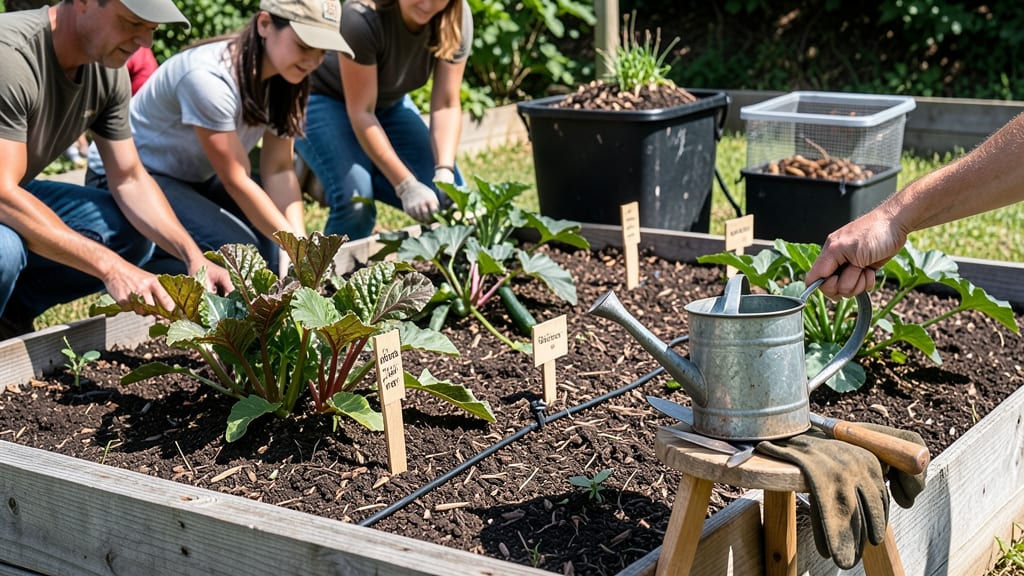
Salt Lake City's community gardens provide accessible plots for growing vegetables and flowers, with beginner support through spaces like The Garden at 900 South and Salt Lake City Community Gardens, featuring shared tools, educational workshops, and seasonal planting resources.
Salt Lake City's community gardens are perfect for new gardeners, offering everything from starter plants to hands-on classes. 🌱 The city's unique climate—hot, dry summers and cold winters—means choosing drought-resistant crops like kale, Swiss chard, and lavender can mean bigger harvests with less effort.
Most gardens also provide irrigation systems, so you don’t have to worry about watering every day.
What sets these gardens apart is their focus on accessibility. Many plots are just 10x20 feet, making them manageable for beginners, and fees typically run between $50-$150 per season, depending on plot size.
Plus, you’ll get free access to tools like hoes, rakes, and even compost—everything you need to start growing right away.
If you're ready to join, most gardens have online applications or in-person sign-ups starting in early spring. The key is to apply early, as popular plots fill up fast. Whether you're growing tomatoes, herbs, or flowers, these gardens make it easy to turn green thumbs into green harvests.
💡 In This Article
- How Salt Lake City’s Climate Affects Garden Yield
- Top 5 Salt Lake City Community Gardens: Plots, Fees, and Beginner Resources
How Salt Lake city’s climate affects garden yield
Salt Lake City's high desert climate—with its 9,000-foot elevation, intense sunlight, and dramatic temperature swings—creates unique challenges and opportunities for gardeners. The city's arid conditions mean soil dries out 30-50% faster than in more humid regions, forcing plants to develop deep root systems or rely on consistent moisture.
This is why crops like Swiss chard and kale thrive here—they store water efficiently in their thick stems and leaves, while shallow-rooted plants like lettuce often bolt (go to seed) quickly in the heat.
The 100+ days of sunshine annually provide abundant light, but the intense UV radiation at high elevation can scorch leaves if not managed.
Gardeners often use shade cloths or plant heat-tolerant varieties like cherry tomatoes or peppers, which can handle temperatures up to 95°F without wilting. 🌞 The key is to start seeds indoors 6-8 weeks before the last frost (typically mid-April) and use mulch to retain soil moisture—this can reduce watering needs by up to 40%.
Seasonal extremes matter too: Winters drop below 20°F, but the city's inversion layer (where cold air traps near the ground) can create microclimates where tender plants like basil or cucumbers survive longer than expected.
Spring planting should wait until soil temperatures reach 50°F, while fall crops can often extend into October or November before frost hits. The best yield comes from cool-season crops (like broccoli) planted in early spring or late summer, and warm-season crops (like beans) sown after Memorial Day.
Drought-resistant plants aren't just about survival—they often produce higher-quality harvests in Salt Lake's climate. For example, lavender not only thrives with minimal water but also repels pests naturally, reducing the need for chemicals.
Similarly, drought-tolerant herbs like rosemary and thyme yield more flavorful leaves because they concentrate essential oils under stress. 🌿 The trade-off? Some crops (like corn) struggle unless given extra irrigation, so prioritizing adaptable plants maximizes your garden's potential.
Irrigation timing is critical: Watering early in the morning (before 8 AM) minimizes evaporation, while drip systems deliver moisture directly to roots, cutting water use by 30-50% compared to overhead sprinklers.
Many Salt Lake gardens use shared irrigation systems, so checking soil moisture with your finger (top 1-2 inches should be dry) helps avoid overwatering—a common mistake that leads to root rot.
For beginners, the most reliable high-yield crops in this climate are leafy greens (spinach, kale), root vegetables (carrots, beets), and herbs (cilantro, parsley). These handle the heat better than fruiting plants and provide quick gratification.
The first harvest often comes within 4-6 weeks, making them perfect for building confidence before tackling tomatoes or peppers.