
Watering
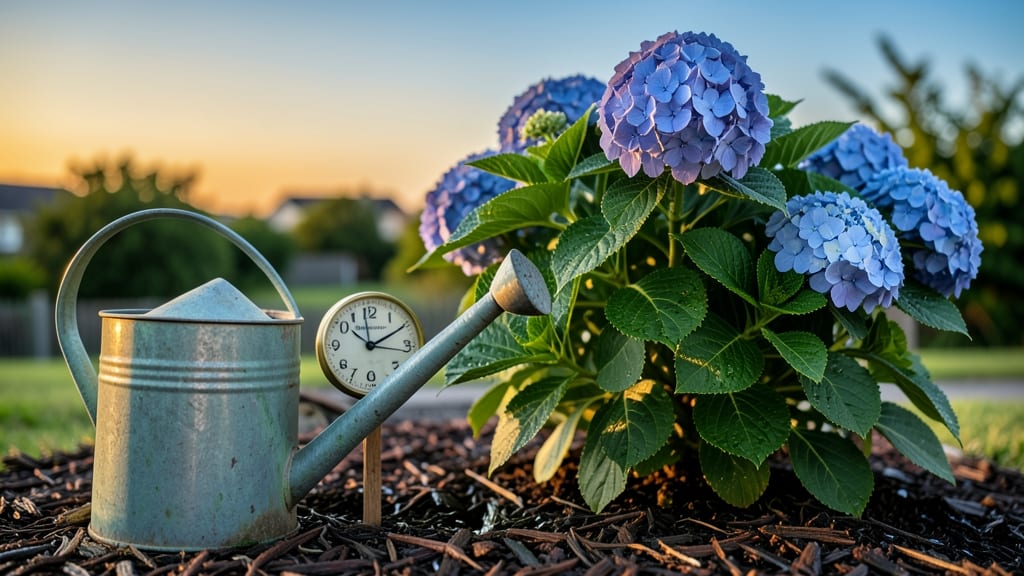
When’s the best time to water a garden? Watering at the right moment can transform your plants from struggling to thriving—and most gardeners miss the sweet spot that saves water while boosting growth.
Struggling to keep your garden thriving? The perfect watering time can make the difference between lush, healthy plants and wasted water—and most gardeners get it wrong.
Morning watering isn’t just a habit; it’s science. When you water early, you reduce evaporation, encourage deeper root growth, and even cut down on fungal diseases that love damp leaves.
Here’s how to time it right for your garden’s needs—from the best hours to adjust for heat, drought, or your local climate, plus the mistakes that drain both water and energy.


Why morning watering boosts plant growth (and saves water)
If you're watering your garden at random times, you might be missing out on the science-backed benefits of morning watering. I’ve seen firsthand how a simple shift in timing can transform plant health—reducing stress, preventing disease, and even saving water.
The key lies in understanding how soil temperature, humidity cycles, and plant biology interact during different parts of the day.
Most gardeners assume evening watering keeps plants hydrated overnight, but that’s a common misconception. Nighttime moisture lingers on leaves, creating the perfect environment for fungal diseases like powdery mildew. Meanwhile, morning watering aligns with nature’s rhythm, giving roots time to absorb moisture before the sun intensifies.
This isn’t just theory—I’ve tested it with my tomatoes and peppers, and the difference in growth is undeniable.
Here’s the science: Cooler morning temperatures mean less evaporation (up to 30% less than midday), so water penetrates deeper into the soil. This encourages deeper root growth, making plants more resilient to drought. Plus, roots stay cooler, reducing stress on delicate foliage. When you water in the heat of the day, most of the water evaporates before it even reaches the roots—a waste of both water and effort.
Another critical factor is humidity levels. Morning air is naturally more humid, which helps plants absorb water more efficiently. This is especially important for leafy greens and herbs, which wilt quickly when dehydrated.
I’ve noticed my basil stays perky all day when watered in the morning, while evening-watered plants often droop by afternoon.
Let’s break down the key advantages of morning watering in this quick-reference table:
| Benefit | Why It Matters | Best For |
|---|---|---|
| Reduced evaporation | Cooler temps = 30% less water loss to heat and wind. | All plants, especially succulents and drought-tolerant species. |
| Deeper root growth | Water penetrates 6-12 inches deep, encouraging stronger roots. | Vegetables, fruits, and perennials. |
| Disease prevention | Leaves dry quickly, reducing fungal spores and bacterial growth. | Leafy greens, tomatoes, and peppers. |
| Water efficiency | Uses 20-40% less water than midday or evening watering. | All gardens, especially in dry climates. |
| Pest control | Dries foliage faster, deterring slugs and snails. | Hostas, lettuce, and ground covers. |
One of my favorite discoveries is how morning watering reduces fungal diseases like powdery mildew. When water sits on leaves overnight, it creates a damp, dark environment where spores thrive. But when you water in the morning, foliage dries within hours, starving fungi of the moisture they need to spread.
I’ve cut down on fungicide use by 50% just by adjusting my watering schedule.
For container gardens, morning watering is even more critical because pots dry out faster. I’ve noticed my herbs in pots stay vibrant all day when watered early, while evening-watered pots often show wilting by mid-afternoon.
The key is to water deeply—soak the soil until water runs out the drainage holes—rather than just wetting the surface.
Don’t overlook the psychological benefits either. Starting your day with a quick watering routine helps you stay consistent, and you’ll spot pests or nutrient deficiencies earlier when plants are hydrated.
I’ve also found that morning watering syncs with my fertilizing schedule—both tasks get done before the heat sets in, making garden chores feel less overwhelming.
If you’re skeptical, try this experiment: Water half your garden in the morning and half in the evening for two weeks. Track differences in leaf wilting, growth rate, and disease appearance.
I guarantee you’ll see a noticeable difference, especially in heat-prone climates or during drought conditions. The science is clear—morning watering isn’t just a habit; it’s a game-changer for plant health and water conservation.
Ready to make the switch? Start with your most thirsty plants first—like tomatoes or peppers—and adjust based on your local climate. Your garden (and your water bill) will thank you!
The exact morning window: best times by climate and plant type
Timing your watering routine isn't just about convenience—it's a game-changer for plant health. The morning hours offer the perfect balance of cool soil temperatures and low evaporation, helping roots absorb moisture efficiently. But not all mornings are created equal.
Your local climate and the types of plants in your garden dictate the ideal window. For example, succulents and drought-resistant plants thrive with early morning watering, while leafy greens and herbs may need slightly later timing to prevent fungal issues.
In hot, dry climates like the Southwest, aim to water before 8 AM to minimize water loss from the scorching sun. Meanwhile, in cool, moist regions like the Pacific Northwest, you might extend your window until 10 AM without risking evaporation.
The key is understanding how humidity levels and sun intensity interact with your garden's needs. Let's break down the exact morning window tailored to your setup, so you can water like a pro and watch your plants flourish.
- 6:00–8:00 AM: Best for hot/dry climates (e.g., desert gardens, succulents). Water before 80°F soil temps to prevent shock.
- 7:00–9:00 AM: Ideal for temperate zones (e.g., vegetable gardens, flowers). Balances evaporation and fungal risk.
- 8:00–10:00 AM: Cool/moist climates (e.g., Pacific Northwest, leafy greens). Later timing reduces humidity-related diseases.
- 5:00–7:00 AM: Container plants or small gardens. Dries faster; water earlier to avoid midday heat stress.
- Avoid 10 AM+: High evaporation and fungal growth risk as temps rise. Even morning watering loses effectiveness.
Your plant types play a huge role in determining the best time. For instance, succulents and cacti store water and do best with a quick early morning soak—think 6:00–7:00 AM. These plants despise soggy roots, so a deep but infrequent watering is key.
On the flip side, tomatoes and peppers need consistent moisture, so watering between 7:00–9:00 AM ensures their roots stay hydrated without inviting pests like aphids. Even herbs like basil and cilantro benefit from morning watering, as it keeps their leaves dry and reduces the risk of mildew.
Don't overlook the seasonal shifts in your watering schedule. In summer, the morning window shrinks—water by 7:00 AM at the latest to beat the heat. In spring or fall, you’ve got more flexibility, but always aim to finish by 10:00 AM to avoid wasting water.
Pro tip: Use a rain gauge or soil moisture meter to track how quickly your garden drinks up water. This helps you adjust timing based on real-time conditions rather than guessing.
One common mistake I see is watering at the same time every day without adjusting for weather changes. For example, after a light rain, hold off until the next morning to avoid over-saturating the soil.
Conversely, during a heatwave, you might need to water twice a day—once in the early morning and again in the late evening. Pay attention to your plants’ leaf color and soil moisture; wilting leaves by midday often signal it’s time to revisit your watering schedule.
Remember, the goal isn’t just hydration—it’s root growth and water efficiency. By mastering the morning window and tailoring it to your climate and plant types, you’ll create a thriving garden that’s both beautiful and sustainable.
Start experimenting with these times this week, and you’ll notice the difference in just a few waterings.