
Tools
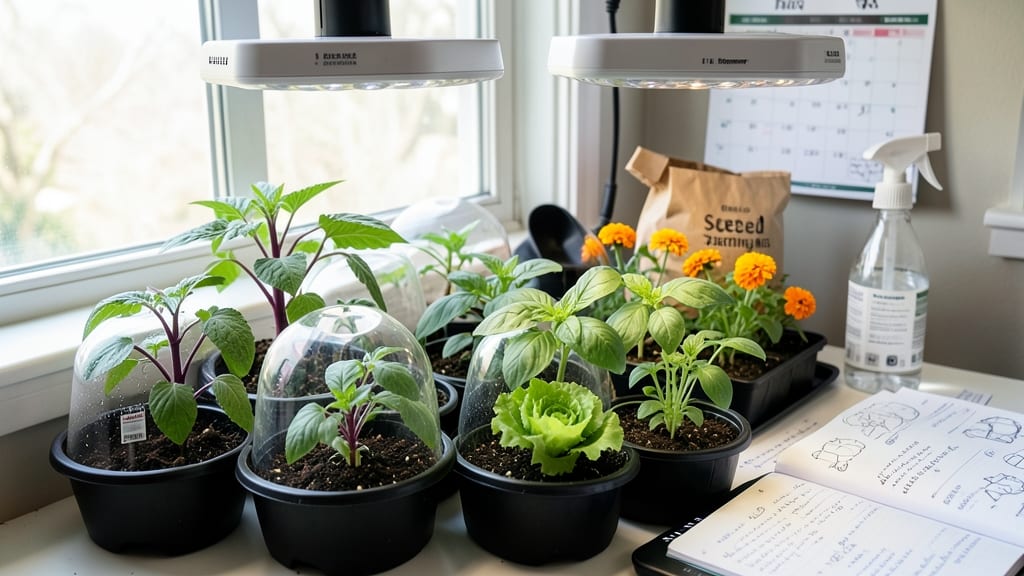
To start garden seeds at the right time means the difference between a garden that thrives and one that fizzles out before it even begins.
Timing your garden seeds wrong can mean the difference between a thriving harvest and wasted effort—yet most gardeners guess instead of calculating their exact frost-free planting window. Whether you're growing 🌱 General Garden Seeds in Zone 6a or another region, getting this right is everything.
Here’s the secret: it’s not just about the calendar date. It’s about counting backward from your last frost, adjusting for seed type, and knowing when to move seedlings outdoors. I’ll walk you through the exact steps—no guesswork, just science-backed timing tailored to your zone.
By the end, you’ll know exactly when to start each seed, how to tweak the schedule for slow or fast growers, and the 5 critical mistakes that derail even the best-laid plans. Let’s get your garden off to the right start.
Zone-by-Zone seed starting timeline: calculate your frost-free countdown
Timing your seed starting is like solving a puzzle—each piece (your USDA zone, frost dates, and seed maturity) must fit perfectly for success. I’ve grown tomatoes in Zone 5 that bolted because I started too late, and peppers in Zone 9 that struggled from an early transplant.
The key? Knowing your frost-free countdown and adjusting for your specific climate.
Your last frost date is the anchor for all seed-starting calculations. For example, in Zone 3, you’ll start warm-season crops like peppers indoors 12 weeks before your last frost, while in Zone 10, you might direct-sow them after your first frost risk passes.
Cool-season crops like spinach or kale have even more flexibility, often tolerating light frosts after planting.
Here’s the game-changer: most seed packets list days to maturity, but they don’t account for your local frost window.
That’s why I’ve broken down the exact indoor vs. outdoor start times for each zone, so you can avoid the frustration of seedlings outgrowing their pots or bolting before harvest.
🌱
| USDA Zone | Indoor Start (Weeks Before Last Frost) | Outdoor Start (After Last Frost) | Example Crops | Key Notes |
|---|---|---|---|---|
| Zones 3-4 | 8-12 weeks (warm crops) | 4-6 weeks after last frost | Tomatoes, Peppers, Eggplants | Long growing season; use row covers for early starts. |
| Zone 5 | 6-10 weeks (warm crops) | 3-5 weeks after last frost | Basil, Cucumbers, Squash | Cool nights slow germination; use heat mats if needed. |
| Zone 6 | 4-8 weeks (warm crops) | 2-4 weeks after last frost | Peppers, Tomatoes, Herbs | Ideal for both cool and warm season crops. |
| Zone 7 | 3-6 weeks (warm crops) | 1-3 weeks after last frost | Okra, Sweet Potatoes, Melons | Longer frost-free season; can direct-sow later. |
| Zone 8 | 2-4 weeks (warm crops) | Direct-sow after frost risk | Peppers, Eggplants, Tomatoes | May have fall planting for cool crops. |
| Zone 9 | 1-3 weeks (warm crops) | Direct-sow year-round (except frost) | Peppers, Cucumbers, Basil | Shorten days to maturity for fall harvests. |
| Zone 10 | 0-2 weeks (warm crops) | Direct-sow anytime | Tomatoes, Peppers, Herbs | Use shade cloth in summer heat. |
| Zones 11-12 | Not needed (direct-sow) | Year-round planting | All warm crops | Focus on water management and shade. |
| All Zones (Cool Crops) | Direct-sow 4-6 weeks before last frost | Spinach, Peas, Lettuce, Kale | Tolerate light frost; succession plant. |
Notice how the indoor start window shrinks as you move south? In Zone 11, you can direct-sow tomatoes in January, while in Zone 4, you’ll need to start them indoors by March 1st to avoid bolting.
Always check your local frost dates—they can vary by 1-2 weeks even within the same zone.
For cool-season crops like
How to adjust seed starting for early/slow-growing varieties
Not all seeds follow the same timeline—some like radishes sprout in days, while onions take weeks to show progress. Understanding these differences helps you avoid wasted effort or delayed harvests.
The key lies in seed packets' days-to-maturity labels and your local frost-free window. For example, a 60-day tomato needs precise timing, while a 30-day radish offers flexibility.
Slow growers like onion sets or leeks often require earlier starts, even if their maturity label suggests otherwise. Fast growers like arugula or bush beans can handle later plantings. The trick is adjusting your indoor start window based on these growth rates.
For instance, in Zone 5, I start onions 12 weeks before frost, but radishes only 4 weeks out.
Comparison-table for adjusting seed-starting timelines:
Use the days-to-maturity label as your guide, but adjust for your zone's frost date. For example, a 50-day lettuce in Zone 7 might need starting 6 weeks before frost, but in Zone 3, you'd push it to 8 weeks to account for shorter summers.
Always subtract 2 weeks for seedlings to harden off before transplanting.
Heirloom seeds often need extra time because their maturity labels assume ideal conditions. If you're growing Brandywine tomatoes (80 days to maturity), start them 10 weeks before frost in Zone 5—not the standard 6-8 weeks.
Slow growers like onion bulbs benefit from a 14-week head start to ensure full development before summer heat sets in.
For fast growers, like radishes or arugula, you can afford to wait. These thrive with a 2-4 week start window before frost. In my garden, I often sow radishes directly outdoors just 3 weeks before the last frost—they sprout quickly and tolerate light frosts.
This flexibility lets me extend my harvest season without overcrowding my seed trays.
Pro tip: Mark your calendar with transplant dates based on maturity labels. For a 60-day tomato, count backward from your first harvest date (e.g., July 1) to determine when to start seeds indoors.
Adjust by 1-2 weeks for slow or fast varieties to fine-tune your schedule. With practice, you'll master the art of seed-starting precision! 🌱