
Tools
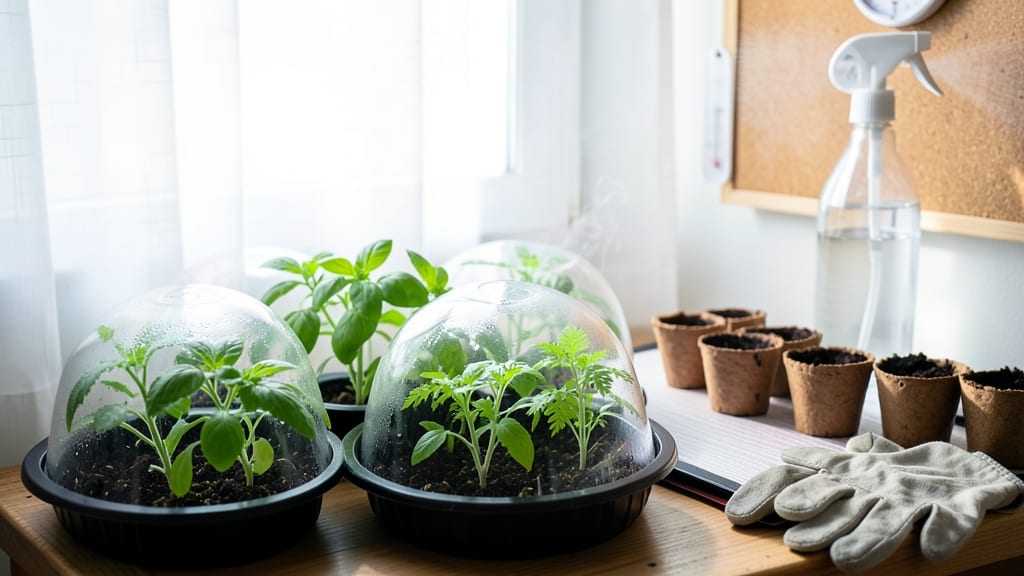
Starting garden seeds indoors 4-8 weeks before last frost is the difference between a thriving spring harvest and a season of disappointment.
Picture this: you’ve spent hours under grow lights, nurturing tiny seedlings—only to watch them bolt in the heat or flop in the garden because you planted too early or too late.
The truth is, timing matters more than technique, and your USDA zone is the key to getting it right.
For Zone 6a, where frost lingers until mid-April, the ideal window opens in February and March. But not all seeds need the same lead time—tomatoes and peppers demand 6-8 weeks indoors, while lettuce and radishes can wait until 4 weeks out.
Below, I’ll break down exactly how to calculate your perfect start date, adjust for early vs. late seasons, and avoid the three biggest timing mistakes that kill seedlings before they even reach your garden.
USDA zone-by-zone timeline for starting seeds indoors
Getting your indoor seed starting right means knowing exactly when to begin based on your USDA zone. Cold-hardy crops like peppers and tomatoes need a head start, while fast growers like lettuce and radishes can wait until closer to last frost.
Each zone has its own weeks-before-last-frost schedule to follow for optimal transplant readiness.
I’ve broken down the timing for Zones 1 through 11, including when to start seeds for popular vegetables, herbs, and flowers. Use your average last frost date as your guide—most seed packets list days to maturity, but zone-specific adjustments are key to success.
Here’s your zone-by-zone seed-starting timeline, including cold-sensitive crops (like tomatoes and basil) and fast-growing varieties (like spinach and kale). Adjust slightly for early or late frost years.
Pro Tip: Always check your seed packet for specific days to germination and transplant. Some varieties, like broccoli, can handle cooler soil, while others, like cucumbers, need warm conditions.
| USDA Zone | Last Frost Date | Cold-Hardy Crops (Start) | Fast-Growing Crops (Start) | Transplant Ready |
|---|---|---|---|---|
| 1-2 | Mid-May to June 1 | 6-8 weeks before | 4-6 weeks before | Late June to July 1 |
| 3-4 | April 15 to May 1 | 8-10 weeks before | 4-6 weeks before | Late May to June 15 |
| 5-6 | April 1 to April 15 | 6-8 weeks before | 3-5 weeks before | Mid-May to June 1 |
| 7-8 | March 15 to April 1 | 5-7 weeks before | 3-4 weeks before | Late April to May 15 |
| 9-10 | February 15 to March 1 | 4-6 weeks before | 2-3 weeks before | Early March to April 15 |
| 11 | January 15 to February 1 | 3-5 weeks before | 1-2 weeks before | Late January to March 1 |
| Notes: Adjust for early/late frosts. Cold-hardy crops include tomatoes, peppers, eggplants. Fast growers include lettuce, radishes, spinach. | ||||
For example, if you’re in Zone 6a with a last frost date of April 15, start your tomatoes and peppers 6 weeks before (around February 28), while lettuce and radishes can wait until March 15 (4 weeks out).
This ensures they’re ready to transplant when soil temperatures warm up.
In warmer zones like Zone 10, you might start cold-sensitive crops as late as February 1 for a spring harvest, while fast growers like bush beans can go straight into the ground. Always double-check your local frost dates—they can vary year to year.
One common mistake is starting seeds too early, which leads to overcrowded trays and leggy seedlings. Another is waiting too long, which delays your harvest. Use this timeline as
How to calculate your exact seed starting date
Calculating the perfect time to start seeds indoors depends on three key factors: your USDA zone, the last frost date in your area, and the plant's maturity time from seed packet instructions.
Get this right, and you'll have robust seedlings ready for transplant—just as your garden soil warms up. Miss the mark, and you risk leggy, weak plants or bolting before harvest.
First, find your last average frost date—this is the cutoff after which your plants can safely live outdoors. Most seed packets list how many days to maturity a plant needs, but they also specify how many weeks before last frost to start seeds indoors.
For example, tomatoes might say "start indoors 6-8 weeks before last frost," while radishes only need "3-4 weeks."
Here’s how to turn those numbers into a personalized schedule using a simple step-by-step method:
Let’s say you’re in Zone 7a with a last frost date of April 1. If you’re growing peppers (which need 8 weeks indoors and 90 days to harvest), you’d start them by February 1 to transplant by April 1 and harvest by July 1.
For lettuce (only 4 weeks indoors and 45 days to harvest), you could start them as late as February 28 and still enjoy an early crop.
Pro tip: For slow growers like broccoli or cauliflower, err on the earlier side. For fast growers like spinach or radishes, you can push your start date closer to your frost date.
Always account for light conditions—if your seedlings lack sunlight, they’ll stretch and weaken, throwing off your timeline.
Once you’ve calculated your dates, mark them on your calendar and set reminders. Starting seeds too early or late can lead to overcrowded trays, bolting, or stunted growth.
With this method, you’ll have a clear, customizable plan tailored to your zone and crops—ensuring a bountiful harvest from day one. 🌱