
Planting
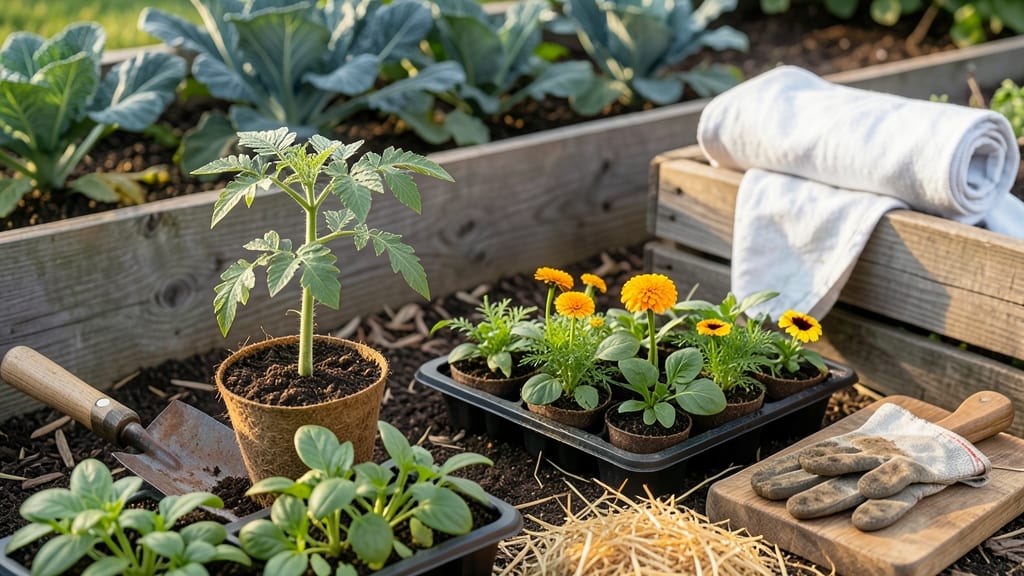
Plant your garden in Michigan after the last frost date for your zone — or risk losing seedlings to a surprise freeze or missing the window for summer harvests.
Michigan’s unpredictable spring weather can turn gardening dreams into frost-bitten failures unless you know the exact zero-frost deadlines for your zone. Plant too early, and your seedlings become ice cubes; too late, and summer harvests vanish. Here’s your battle plan for timing it right.
From the Upper Peninsula’s USDA Zone 4 to the Lower Peninsula’s Zone 6, frost dates vary by weeks. A late-May freeze in Traverse City might catch out a gardener in Grand Rapids, who’s already planting tomatoes by early May.
We’ll break down the critical dates and how to adjust for your microclimate.
You’ll learn how to use soil temperature, cold-hardy starters, and row covers to extend your season, plus the 10-day rule for transplanting warm-weather crops. By the end, you’ll know exactly when to plant your garden in Michigan for a bountiful harvest — no guesswork required.
Michigan planting zones & their critical last-frost dates
Michigan spans USDA Hardiness Zones 4-6, but the real magic happens in the last-frost dates that separate success from failure. The Lower Peninsula (like Detroit and Lansing) typically sees its final frost around May 15, while the Upper Peninsula (Marquette, Houghton) clings to frost until June 1.
These dates aren’t just numbers—they’re your garden’s lifeline.
Why? Because warm-season crops like tomatoes and peppers need consistent soil temperatures above 60°F to thrive. Plant too early, and a late frost will turn your seedlings into crispy snacks.
But wait—these dates are averages, not guarantees. Microclimates (like urban heat islands or sheltered valleys) can shift your frost window by 1-2 weeks.
Here’s how to find your exact frost risk: Use the Michigan State University Garden Hotline (1-888-MSUE4MI) or their free frost date maps. They’ll give you historical data for your ZIP code, accounting for local variations. Pro tip: Bookmark the MSU Extension’s Planting Calendar—it’s your gardening GPS.
🌱
| Zone & Location | Avg. Last Frost | Safe Planting Window | Key Crops for Zone | Microclimate Risk |
|---|---|---|---|---|
| Zone 4 (Upper Peninsula: Marquette, Houghton) | June 1 (±7 days) | June 10–15 (soil ≥50°F) | Peas, kale, potatoes, early cabbage | Late frosts common; use row covers |
| Zone 5 (Northern LP: Traverse City, Grand Rapids) | May 20 (±5 days) | May 25–June 5 (soil ≥55°F) | Spinach, lettuce, broccoli, early tomatoes | Urban areas warm 2–3°F faster |
| Zone 5b (Southern LP: Lansing, Kalamazoo) | May 10 (±4 days) | May 15–25 (soil ≥60°F) | Peppers, cucumbers, basil, zucchini | False springs possible; monitor forecasts |
| Zone 6 (Southeast LP: Detroit, Ann Arbor) | April 25 (±3 days) | May 1–10 (soil ≥65°F) | Tomatoes, eggplant, okra, sweet potatoes | Heat islands delay frosts; plant early |
Your soil temperature matters just as much as the air temperature. Use a soil thermometer ($10 at garden centers) to confirm readiness. For warm-season crops, wait until soil hits 60°F—even if flowers bloom earlier. Cold soil stunts growth, and root rot thrives in chilly, soggy conditions.
Pro move: Plant cold-hardy crops like spinach, peas, and lettuce 4–6 weeks before your last frost. These bolt-resistant varieties (like ‘Winter Density’ kale) handle light frosts and give you an early harvest. Pair them with straw mulch to insulate roots from temperature swings.
Don’t rely on almanac predictions alone—Michigan’s weather is unpredictable. The National Weather Service’s Point Forecast and local CoCoRaHS observers provide real-time data. For example, 2020’s late May frost in Zone 6 wiped out unprotected tomato plants.
Hedge your bets by starting warm-season crops indoors 6–8 weeks before your last frost.
🌡️
Here’s your action checklist for nailing frost dates:
- Confirm your zone using MSU’s interactive map (not just ZIP codes).
- Add 7–10 days to average frost dates for warm-season crops to account for slow soil warming.
- Use frost cloth for 2–3 weeks after your average last frost to protect tender seedlings. 4
How to adjust planting times for Michigan’s unpredictable weather patterns
Michigan’s unpredictable spring can leave even experienced gardeners scrambling. One year, your tomato seedlings might sprout by April—only to be nipped by a late frost. The next, you’re staring at bare soil in June, wondering where summer went.
The key? Flexible strategies that let you adapt without losing your entire season.
Start by embracing cold-hardy crops like spinach, peas, and kale. These early-season stars can handle light frosts and even thrive in cool soil. Plant them as soon as the ground is workable, often by early March in southern Michigan or late April in the Upper Peninsula.
For warm-weather plants like peppers and eggplants, wait until the soil hits 60°F—but here’s the catch: don’t rush.
⚠️ callout warning ⚠️
That 70°F weekend in March? It’s a frost trap. Warm spells can fool plants into sprouting, only for a killing frost to follow. Use the 10-day rule: Wait 10 days after your last expected frost before planting warm-season crops outdoors. For extra safety, use row covers or a mini greenhouse to extend your season by 2–4 weeks.
🌱 Pro Tip: Check MSU’s frost date maps and add 2 weeks as a buffer.
For transplanting warm-weather plants, the 10-day rule is your lifeline. Once your soil thermometer confirms 60°F, wait another 10 days before moving seedlings outside. This gives Mother Nature time to prove her intentions.
In my Zone 5 garden, this often means late May for tomatoes and early June for peppers—even if the air feels warm earlier.
Extend your season further with row covers or low tunnels. These simple tools can add 4–6 weeks to your growing season by trapping heat and warding off pests. I’ve used them to plant lettuce in September and still harvest crisp heads by November.
For high-value crops like tomatoes and cucumbers, a small greenhouse (even a repurposed shed with clear plastic walls) can let you plant 3 weeks earlier in spring and 2 weeks later in fall.
Don’t forget succession planting. Instead of betting everything on one planting date, stagger your crops. Sow radishes every 2 weeks for a continuous harvest, or plant bush beans in 3 batches to avoid glut and shortage.
This way, if one batch fails, you’ve got backups ready to save your harvest.
Finally, keep a garden journal. Track your actual frost dates, soil temps, and plant performance. After 3 years, you’ll spot patterns—like that May frost that hits your neighborhood every 5 years. Armed with this data, you’ll outsmart Michigan’s weather instead of being at its mercy. 🌱