
Planting
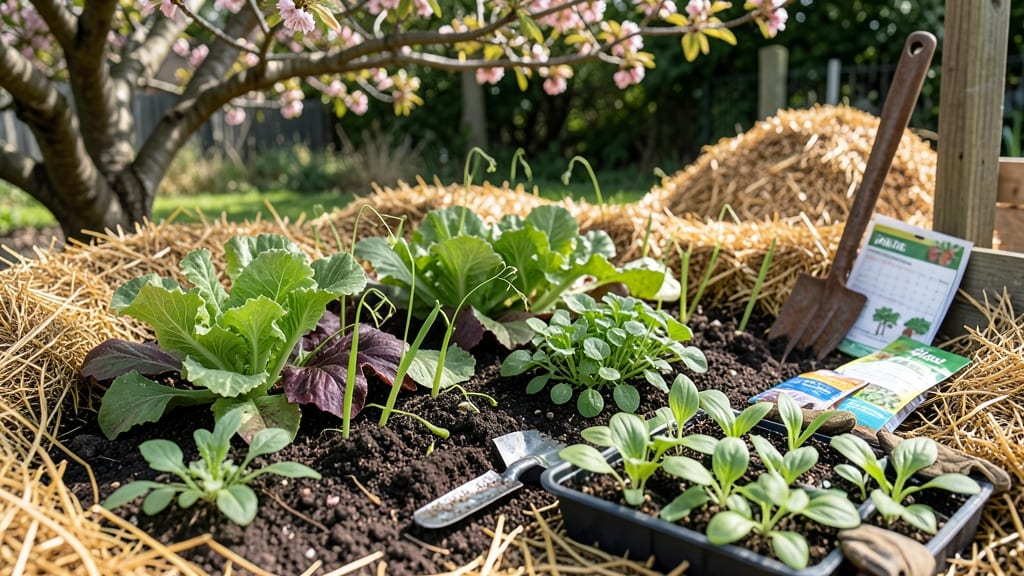
You can plant your garden in Michigan once the last frost date passes—typically between mid-April and early June, depending on your USDA zone.
Michigan gardeners know timing is everything—plant too early and frost will wipe out your hard work, but wait too long and you’ll miss peak harvests. Avoid costly mistakes with precise last frost dates tailored to Michigan’s unique growing zones.
The Upper Peninsula (Zones 4-5) usually waits until late May, while the Lower Peninsula (Zones 5-6) can start as early as mid-April. Understanding these differences ensures your 🌱 seedlings thrive, not just survive.
In this guide, I’ll break down exact planting windows by crop type, share soil prep tips, and help you adjust for Michigan’s unpredictable weather—so you can enjoy a bountiful harvest all season long.
Michigan’s last frost dates by USDA Hardiness Zone: exact planting windows
Michigan’s USDA Hardiness Zones 4-6 create dramatic differences in planting windows—just 100 miles can mean 2 weeks earlier last frosts in the Lower Peninsula versus the Upper Peninsula. Knowing your exact last average frost date prevents frost damage to tender plants while maximizing your growing season.
Let’s break down the critical dates for each zone and how to use them for perfect timing.
For Upper Peninsula gardeners (Zones 4-5), average last frost dates range from May 15-25, while Lower Peninsula gardeners (Zones 5-6) typically see last frosts between May 1-15. These dates shift earlier in the south and later in the north, creating a 3-week gradient across the state.
Michigan State University’s frost maps (available [here](https://www.canr.msu.edu/)) provide hyper-localized data—use them to pinpoint your exact planting window.
Here’s the critical rule: Wait until after your last average frost date to plant warm-season crops like tomatoes, peppers, and cucumbers. For cool-season crops (spinach, peas, lettuce), start seeds 4-6 weeks before your last frost. The Upper Peninsula’s later dates mean shorter seasons—plan accordingly with fast-maturing varieties.
⚠️ PRO TIP: Check soil temperatures—50°F+ for peas, 60°F+ for tomatoes—to confirm readiness. Use a soil thermometer for accuracy, especially in Zone 4 where cold soils delay planting.
Use these windows for direct sowing, but start seeds indoors 4-8 weeks earlier for transplanting after frost. For example, in Zone 6, begin tomato seeds indoors by March 1 to transplant by May 1.
In Zone 4, delay until April 15 for indoor starts to avoid overwintering risks.
For fall planting, aim for first frost dates: September 20–October 10 (Zone 6) or October 1–15 (Zone 4). Cool-season crops like broccoli and kale thrive with 50+ days before frost. Use row covers to extend harvests by 2-3 weeks in colder zones.
Historical data shows late frosts occur 1 in 3 years after May 10 in Zone 5. Protect tender seedlings with frost cloth or move pots indoors if nights dip below 32°F.
In Zone 4, wait until May 25 for 90% frost safety—don’t gamble on early warm spells.
Michigan State University’s frost probability maps (updated annually) let you input your exact location for 10-year averages. Bookmark this tool: [MSU Frost Dates](https://www.canr.msu.edu/). For urban gardeners, cities like Detroit (Zone 6a) frost 5-7 days later than rural areas due to the urban heat island effect.
Plan for succession planting in shorter seasons. In Zone 4, sow lettuce every 2 weeks from April to July for continuous harvests. In Zone 6, stagger beans and cucumbers every 10 days to avoid gl
Best planting schedule for Michigan vegetables: from peas to pumpkins
Michigan’s growing season is short but sweet, so knowing exact planting windows for your favorite vegetables can mean the difference between a bountiful harvest and a sad salad. I’ve broken down the best times to plant everything from frost-tolerant peas to heat-loving tomatoes, tailored to Michigan’s USDA Zones 4-6.
Whether you’re in the Upper Peninsula or southern Michigan, these timelines will help you avoid frost damage and maximize your garden’s potential.
Start with cool-season crops like peas, lettuce, and spinach in early spring—these can handle light frosts and even thrive in cooler temperatures. Then transition to warm-season vegetables like tomatoes, peppers, and pumpkins after your area’s last frost date.
For most of Michigan, this falls between mid-May and early June, but I’ll give you exact dates for each crop below.
- March-April Plant peas, spinach, and lettuce as soon as soil is workable (early spring). These tolerate frost!
- April-May Sow radishes, carrots, and kale for early summer harvests. Succession plant every 2 weeks.
- Mid-May Wait until after last frost (check May 15 for southern MI, June 1 for UP) to plant tomatoes, peppers, and cucumbers.
- June Direct sow beans, corn, and pumpkins. These love warm soil—wait until soil temps reach 60°F+.
- July-August Start fall crops like broccoli, cabbage, and beets for late-season harvests before first frost.
For succession planting, repeat sowings every 2-3 weeks for crops like lettuce, radishes, and beans. This ensures a continuous harvest and prevents glutting your kitchen. For example, I plant a new row of bush beans every 14 days from June through July, guaranteeing fresh pods all summer long.
Don’t forget about warm-season starters! Begin tomato and pepper seeds indoors 6-8 weeks before your last frost date. This gives them a head start and extends your growing season.
I swear by starting mine in early April—by the time outdoor temps warm up, they’re already 6 inches tall and ready to transplant!
Always monitor soil temperatures with a thermometer, especially for warm-season crops. Corn and beans need soil temps of at least 60°F to germinate properly. If your garden soil is still chilly, use black plastic mulch to warm it up faster.
This trick has saved my squash plants from slow starts in cooler Michigan springs.
Finally, plan for fall planting! Many greens like spinach and kale thrive in cooler weather and can be sown as early as mid-August for harvests before winter sets in. I’ve had great luck with garlic planted in October—it overwinters and produces scapes the following summer.