
Container Gardens
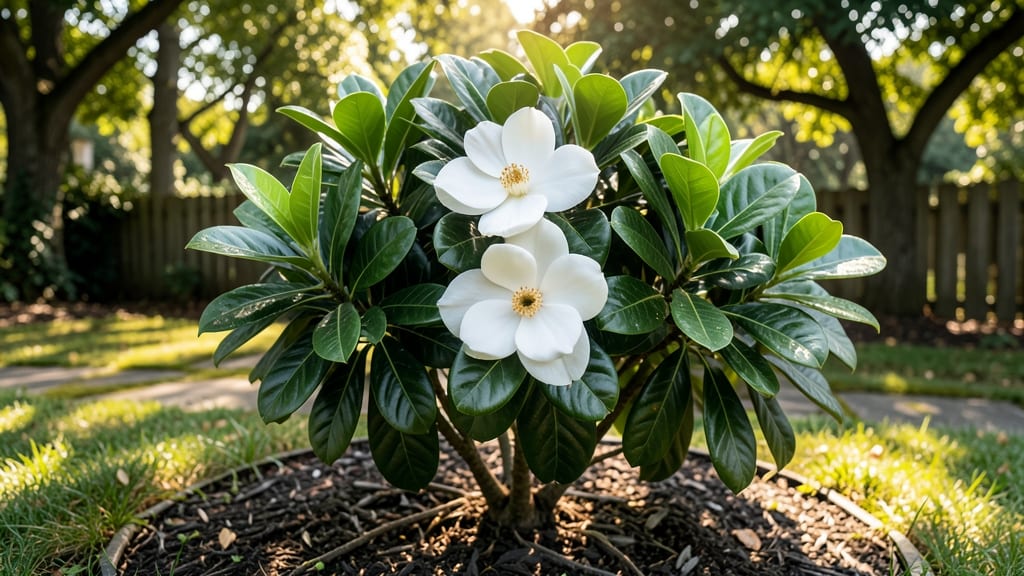
Gardenias thrive best in the gardenia growing zone of USDA zones 9-11 (coastal/mild climates) or 7-9 (inland with winter protection), where warm, humid summers and mild winters let their fragrant blooms shine.
If you’ve ever dreamed of growing fragrant gardenias but struggled with their finicky nature, understanding their gardenia growing zones could be the key to success—or failure.
These tropical beauties despise cold snaps, and even a light frost can blacken their leaves overnight. But with the right location, protection, and a few clever adjustments, you can coax them into blooming even outside their native range.
Here’s how to pick the perfect spot, shield them from winter’s wrath, and keep your gardenias happy year-round—no matter where you live.
USDA hardiness zones for gardenias: where they thrive best
Gardenias are tropical beauties known for their intoxicating fragrance and glossy leaves, but their USDA hardiness zones are critical to their survival. These plants naturally thrive in zones 8-11, where warm winters and high humidity create their ideal climate.
Outside these zones, gardenias become high-maintenance projects requiring extra care to survive freezing temperatures.
In their native gardenias growing zones, they flourish year-round with minimal stress. However, gardeners in cooler climates can still grow them with the right strategies, like container planting or winter protection.
Understanding these zones helps you choose the best location and care routine for your gardenia, whether you're planting in-ground or in pots.
Cold sensitivity is the biggest challenge for gardenias. Even a light frost can damage leaves and buds, while temperatures below 20°F (-6°C) can kill the plant entirely. That’s why zones 8-11 are their sweet spot—these areas rarely drop below 10°F (-12°C), keeping gardenias happy and blooming.
If you live in zone 7 or below, don’t give up! Many gardeners successfully grow gardenias in containers and bring them indoors during winter. Others use microclimates, like south-facing walls or greenhouses, to extend the growing season. The key is adapting your approach to match your local climate.
| USDA Zone | Cold Tolerance | Best Growing Conditions | Planting Tips |
|---|---|---|---|
| Zone 8 | 10°F to 15°F (-12°C to -9°C) | Humid, well-drained soil; partial shade | Plant in-ground with winter mulch |
| Zone 9 | 20°F to 25°F (-6°C to -4°C) | Warm winters, high humidity, acidic soil | Ideal for in-ground planting; minimal winter care |
| Zone 10 | 30°F to 35°F (-1°C to 2°C) | Tropical climate; full sun to partial shade | Thrive in containers or garden beds; protect from wind |
| Zone 11 | 40°F+ (4°C+) | Hot, humid, year-round growth | Best for coastal or tropical regions; minimal care |
| Zones 7 & Below | Below 10°F (-12°C) | Requires containers or greenhouses | Overwinter indoors; use grow lights if needed |
For gardeners in zone 8, gardenias can survive outdoors with winter mulching and protection from frost. In zone 9, they grow with minimal effort, blooming prolifically in spring and summer.
Meanwhile, zones 10 and 11 offer the perfect tropical environment, where gardenias grow year-round with little care beyond regular watering and pruning.
If you're in zone 7 or colder, container gardening is your best bet. Gardenias in pots can be moved indoors during winter, where they’ll continue growing under grow lights or near sunny windows.
This method also makes it easier to control soil acidity and moisture levels, which are critical for healthy growth.
Another key factor is soil acidity. Gardenias demand acidic soil (pH 5.0-6.5), regardless of your zone. If your native soil isn’t acidic enough, amend it with peat moss or sulfur before planting.
Container gardeners can use acid-loving plant mixes designed for azaleas or camellias to keep their gardenias thriving.
Sunlight needs also vary slightly by zone. In warmer zones (10-11), gardenias tolerate morning sun and afternoon shade, while in cooler zones (8-9), they prefer partial shade year-round to prevent leaf scorch. Always monitor your plant’s response to sunlight and adjust placement as needed.
Finally, remember that humidity matters. Gardenias love moist air, so in dry climates, misting leaves or using a humidifier near potted plants can make a big difference. In zones 8-11, natural humidity is usually sufficient, but in container setups, you may need to supplement it.
With the right gardenia growing zone and care, these fragrant shrubs can reward you with gl
How to grow gardenias outside their native zones: cold protection tips
Gardenias thrive in USDA zones 8-11, where warm, humid summers and mild winters create their ideal environment. But if you live in zone 7 or colder, don't give up hope!
With the right strategies, you can still grow these fragrant shrubs. The key lies in understanding their cold sensitivity and implementing protective measures during winter months.
These tropical beauties can't tolerate temperatures below 20°F (-6°C), which is why gardeners in colder zones need to take extra steps. The good news? Many hybrid varieties and container-growing techniques can extend their growing range. Let's explore how to keep your gardenias safe and blooming even in challenging climates.
⚠️ Cold Damage Warning for Gardenias
Gardenias in zones 7 and below face severe risks when temperatures drop below 28°F (-2°C). Even brief exposure can cause:
- ❄️ Leaf burn (brown, crispy foliage)
- ❄️ Stem dieback (blackened branches)
- ❄️ Root damage (reduced water uptake)
Action required: Implement winter protection by November 15 in zone 7 to prevent irreversible damage.
For gardeners in zone 7 and below, container growing offers the most flexibility. Choose large, insulated pots (at least 18 inches wide) with drainage holes. Use a lightweight, well-draining potting mix with 30% perlite or pine bark to improve insulation.
Move containers to a sheltered location before first frost, ideally near a south-facing wall where they can benefit from reflected sunlight.
Another effective strategy is mulching. Apply a 4-6 inch layer of organic mulch like pine straw or shredded leaves around the base of your gardenia. This creates an insulating blanket that protects roots from freezing temperatures.
For added protection, wrap the plant (including pot) in burlap or frost cloth during extreme cold snaps. Remember to remove the wrap during the day to prevent overheating.
Consider planting your gardenia in a microclimate where it can benefit from natural protection. South-facing walls, slopes, or areas near buildings can create warmer microclimates that are several degrees warmer than the surrounding area.
These spots often receive more sunlight and have less wind exposure, both of which help gardenias survive colder winters.
If you're determined to grow gardenias in zone 6 or colder, explore cold-hardy hybrids like 'Kleim's Hardy' or 'Radicans'. These varieties can tolerate temperatures down to 15°F (-9°C) with proper protection.
Pair them with greenhouse growing during winter months - even a small unheated greenhouse can provide the extra protection needed to overwinter your gardenia successfully.
With these cold protection strategies, you can enjoy the intoxicating fragrance and glossy blooms of gardenias even outside their native zones. The key is planning ahead and providing consistent protection throughout the winter months. Your efforts will be rewarded with lush foliage and abundant flowers come spring! 🌸