
Planting
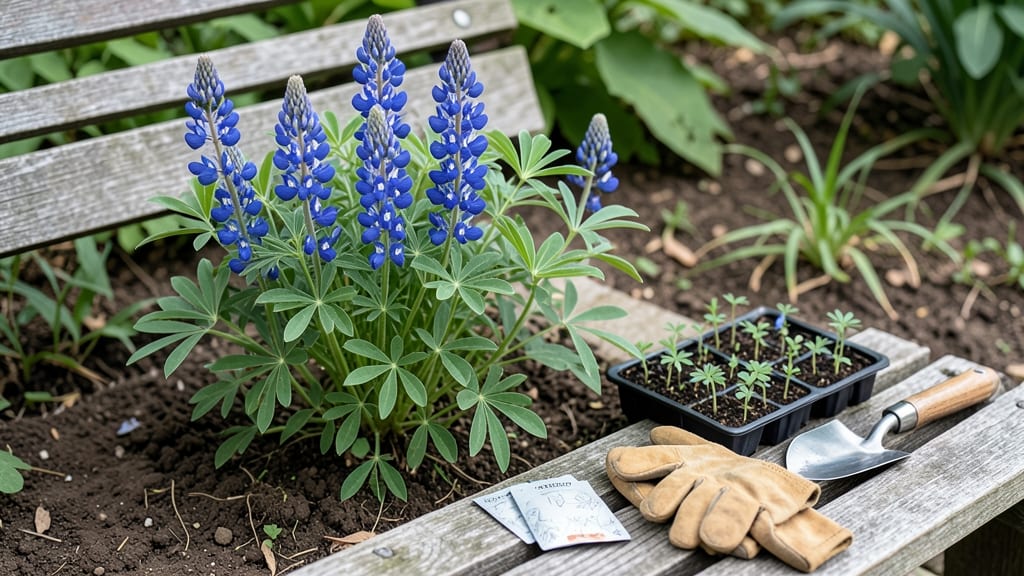
To plant a spring garden in Texas, aim for late February through April—timing that avoids frost while catching the cooler months before summer’s heat sets in.
Texas gardeners know timing is everything—plant too early and frost ruins your hard work, but wait too long and summer’s brutal heat arrives. Mastering the perfect planting window for spring in Texas ensures a thriving garden with minimal risk of frost damage or wilting.
From North Texas’s chillier winters to the Gulf Coast’s early warmth, your region dictates the best months for planting. Cool-season crops like lettuce and peas thrive in February, while tomatoes and peppers need to wait until March or April to avoid heat stress.
Here’s how to align your planting schedule with Texas’s frost-free days, soil temperatures, and regional quirks—so you can grow a garden that’s lush, productive, and stress-free from seed to harvest.
Texas spring planting calendar: frost dates by region and best planting months
Texas spans USDA Hardiness Zones 6 through 10, creating dramatic differences in frost timing from the Panhandle to the Gulf Coast.
In Zone 6 (North Texas), gardeners face a March 15 average last frost date, while Zone 10 (South Texas) enjoys frost-free conditions by January 15.
These variations mean your spring planting window could start in January in the Rio Grande Valley but wait until April in the Hill Country.
Understanding your local frost dates is critical because cool-season crops like lettuce and peas thrive in temperatures below 70°F, while warm-season plants like tomatoes and peppers need soil temperatures above 60°F to germinate. Planting at the wrong time risks frost damage or stunted growth from premature heat stress.
Here’s how to navigate Texas’s diverse climate zones with confidence:
| Region | USDA Zone | Avg. Last Frost | Ideal Planting Window | Cool-Season Crops | Warm-Season Crops |
|---|---|---|---|---|---|
| North Texas (Panhandle) | 6-7 | March 15 | April 1 - May 15 | Lettuce, Spinach, Peas | Tomatoes, Peppers, Okra (after May 1) |
| Central Texas (Austin, Hill Country) | 8a-8b | February 15 | March 1 - April 30 | Broccoli, Cabbage, Kale | Eggplant, Cucumbers, Basil (after April 15) |
| East Texas (Dallas, Tyler) | 7b-8a | February 20 | March 1 - May 1 | Radishes, Carrots, Onions | Sweet Potatoes, Green Beans, Squash (after April 1) |
| South Texas (San Antonio, Gulf Coast) | 8b-9a | January 15 | February 1 - April 15 | Collards, Turnips, Mustard Greens | Watermelon, Peppers, Okra (after March 1) |
| Rio Grande Valley (Zone 10) | 10a-10b | January 15 (rare frost) | January 1 - March 31 | Spinach, Lettuce, Radishes | Tomatoes, Peppers, Eggplant (year-round) |
Even within these zones, microclimates play a huge role. For example, the Hill Country’s rocky soil warms faster than the Gulf Coast’s humid clay, so adjust your planting dates accordingly. Always check a local frost map like the one from the Texas A&M AgriLife Extension for real-time updates.
For cool-season crops, start seeds indoors 4-6 weeks before your last frost date. Hardy greens like kale and spinach can handle light frosts, but tomatoes and pe
Top 10 spring vegetables and flowers to plant in Texas (with exact timing)
Spring in Texas brings a golden opportunity to plant heat-loving vegetables and colorful flowers that thrive in our unique climate. Unlike northern states, Texas gardeners must work with short frost windows and rapidly rising temperatures.
The key? Planting frost-hardy crops early while reserving heat-tolerant varieties for late spring. I’ve curated the top 10 performers—each with precise timing, soil prep secrets, and companion planting tips to outsmart Texas’ unpredictable weather.
For North Texas (Zones 7-8), aim to plant cool-season crops like broccoli and pansies by mid-February, while South Texas (Zones 9-10) can start as early as January. Central Texas (Zone 8) sits in the middle—plant leafy greens by late January and tomatoes by mid-March.
The trick? Monitor soil temperatures (use a soil thermometer!)—most spring crops need at least 60°F to germinate. Below, I’ve broken down the exact timing, best varieties, and pro tips for each plant.
- 🌱 Early Spring (Jan-Feb): Pansies, spinach, carrots (Plant Jan 15-Feb 15 in South Texas; Feb 15-Mar 1 in North Texas). Soil temp: 50-60°F. Companion: Plant with radishes to deter pests.
- 🌿 Mid-Spring (Feb-Mar): Tomatoes, peppers, okra (Plant Feb 20-Mar 15 in South Texas; Mar 15-Apr 1 in North Texas). Soil temp: 65-75°F. Pro tip: Use black plastic mulch to warm soil faster.
- ☀️ Late Spring (Mar-Apr): Sweet potatoes, squash, marigolds (Plant Mar 15-Apr 15 statewide). Soil temp: 70-80°F. Companion: Interplant basil with tomatoes to repel flies.
- 🌼 Flower Power: Zinnias (Mar-Apr), cosmos (Apr-May), sunflowers (Apr). Heat hack: Choose heat-tolerant zinnias like ‘Benary’s Giant’ for summer blooms.
- ✂️ Maintenance: Thin seedlings 2 weeks after sprouting (e.g., carrots to 2” apart). Fertilize: Use balanced 10-10-10 at planting and again in 6 weeks. Avoid: Overwatering—Texas soil drains fast!
Let’s dive into the top 5 vegetables that deliver bountiful harvests with minimal fuss. Tomatoes are a Texas staple, but not all varieties handle our heat. HeatMaster and Solar Fire are late-spring champions, while Early Girl thrives in cooler North Texas.
For peppers, Jalapeños and Bell Peppers love full sun and well-draining soil—amend clay soil with compost to prevent rot. Okra is a Texas superstar: plant seedlings in April and watch them bolt into pods by summer. Companion planting is your secret weapon—pair basil with tomatoes to deter pests and marigolds with vegetables to repel nematodes.
Flowers add color and pollinators to your spring garden. Pansies bloom early (January in South Texas!) and tolerate light frosts, while zinnias and cosmos self-seed for summer blooms. Marigolds aren’t just pretty—they repel pests like aphids and nematodes.
For long-lasting blooms, deadhead spent flowers every 2 weeks. Pro tip: Mulch with straw to retain moisture and suppress weeds—critical in Texas’ dry springs.
Soil prep makes or breaks your spring garden. Texas soil is often clay-heavy and nutrient-poor. Before planting, test your soil (use a DIY kit from your local extension office). Amend with 2-3 inches of compost and 1 inch of aged manure. For sandy soils (common in West Texas), mix in peat moss to retain moisture. Water deeply after planting—1-2 inches per week—and avoid wetting leaves to prevent fungal diseases like early blight in tomatoes. Drip irrigation is your best friend in Texas’ unpredictable rains and scorching sun.
Timing is everything, but don’t stress—Texas’ long growing season gives you multiple chances. If you miss the early spring window, succession plant bush beans or lettuce every 2 weeks for continuous harvests.
And remember: shade cloth (30-50%) can extend the life of heat-sensitive crops like cucumbers in late spring. With these Texas-approved plants, precise timing, and smart companion planting, you’ll be picking fresh veggies and cutting flowers all summer long. Happy planting!