Planting
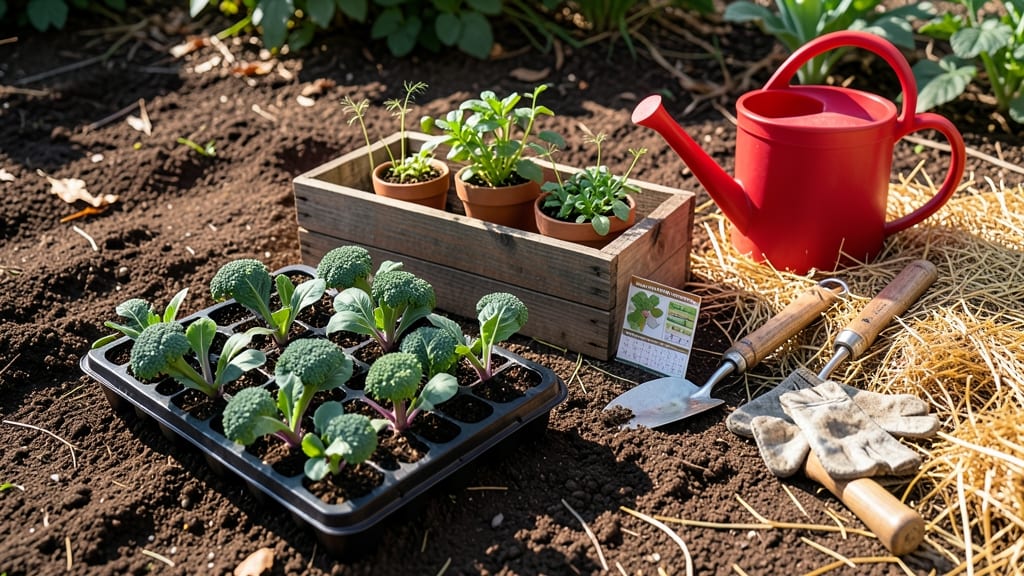
Planting a fall garden in Texas means timing your crops to escape the summer heat and avoid early frost—usually between mid-August and early October, depending on your heat zone.
Texas gardeners know timing is everything—plant too early, and your fall crops face scorching heat; too late, and frost ruins your harvest. But with the right heat zone strategy, you can extend your growing season with zero frost risks.
In North Texas (Zones 7b-8a), where first frosts often hit by November, you’ll want to get seeds in the ground by late August for fast-maturing crops like lettuce and radishes. Meanwhile, South Texas (Zones 9a-10a) can push planting into early October for cooler-season favorites like kale and broccoli.
Below, I break down the exact planting windows by region, the best crops for fall, and how to prep your soil to maximize your harvest before the chill sets in.
Texas heat zones explained: best fall planting months by region
Texas spans USDA hardiness zones 8a through 10a, creating dramatic differences in fall planting success. In zone 8a (Panhandle, North Texas), your last frost arrives by mid-November, while zone 10a (Deep South) enjoys frost-free winters.
This means your fall planting window shifts by 6-8 weeks from north to south—getting it wrong can mean bolting broccoli or frost-killed spinach.
For cool-season crops like kale, broccoli, and spinach, you need to plant when soil temps drop below 85°F but before first frost risks. My rule?
Aim for 6-8 weeks before your average first frost date—this gives plants time to establish roots while avoiding summer's brutal heat. In zone 9a, that's late August to early September; in zone 10a, you can stretch planting until mid-October.
The key is understanding your microclimate. Urban areas like Austin (8b) often run 5°F warmer than rural San Antonio (9a), delaying frost by 10-14 days. Always check local Cooperative Extension Service data—your neighbor's garden might not match your planting timeline.
For example, Lubbock (8a) gardeners plant collards in early September, while Houston (9a) gardeners wait until mid-October.
Here's my pro tip: Use row covers to extend your season by 2-3 weeks in cooler zones. In zone 8a, I've successfully grown broccoli until Christmas by covering plants with floating row covers after October 15.
For zone 10a, focus on heat-tolerant varieties like 'Heatwave' broccoli or 'Southern Curly' collards—these thrive in 85°F+ soils.
Don't forget to test your soil pH before planting. Most cool-season crops prefer 6.0-7.0 pH, but spinach and peas tolerate slightly acidic soil (<
Top 5 fall vegetables for Texas gardens (and when to start seeds vs. transplants)
Fall gardening in Texas is all about beating the heat and frost—collards, carrots, and green onions thrive when planted at the perfect time. The key? Soil temperatures below 85°F and avoiding late September heatwaves that stall germination.
I’ve tested these crops across USDA zones 8a-10a and found that transplants outperform seeds in hotter zones, while direct sowing works best in cooler North Texas areas.
For collards, my favorite cold-hardy green, I start transplants 8-10 weeks before first frost (mid-August in North Texas, early September in South Texas). Carrots need cooler soils—aim for seed sowing in late August when daytime temps drop below 90°F. Green onions are the easiest: just direct sow in September and harvest in 4-6 weeks without fuss.
Here’s my proven planting timeline for Texas zones, including soil temp thresholds and seed vs. transplant rules:
-
1. Collards
• Zones 8a-9a: Transplant Aug 15–Sept 1 (soil 75–85°F)
• Zone 10a: Transplant Sept 1–15 (soil 80–85°F)
• Harvest: 50–60 days -
2. Carrots
• All zones: Direct sow late Aug–early Sept (soil 70–80°F)
• Thin to: 2" apart
• Harvest: 60–75 days -
3. Green Onions
• All zones: Direct sow Sept–Oct (soil 65–75°F)
• Successive plant: Every 2 weeks
• Harvest: 4–6 weeks -
4. Turnips
• Zones 8a-9a: Transplant Aug 20–Sept 10 (soil 70–80°F)
• Zone 10a: Direct sow Sept 15–Oct 1
• Harvest: 30–50 days -
5. Lettuce (Leaf Types)
• All zones: Transplant Sept 15–Oct 15 (soil 60–70°F)
• Shade cloth: 30% for Zone 10a
• Harvest: 30–45 days
🌱 Pro Tip: Use a soil thermometer—ideal germination temps vary by crop!
Transplants save time but cost more—seeds are cheaper and work well for carrots and lettuce, which don’t transplant well. I always harden off transplants for 7–10 days before setting them out to avoid shock. For Zone 10a, where heat lingers, I mulch heavily with straw to keep roots cool.
Avoid these mistakes: Planting broccoli or cabbage too early (they bolt in heat), skipping succession planting for green onions, or ignoring drainage—Texas clay holds too much moisture in fall. I test my soil’s pH (6.0–7.0) and add compost before planting to ensure sweet, fast growth.
With these 5 crops and precise timing, you’ll harvest through December—even in frost-prone North Texas. My collards last until Christmas, and green onions regrow like weeds. Try it this fall, and you’ll wonder why you didn’t start sooner!