
Plants
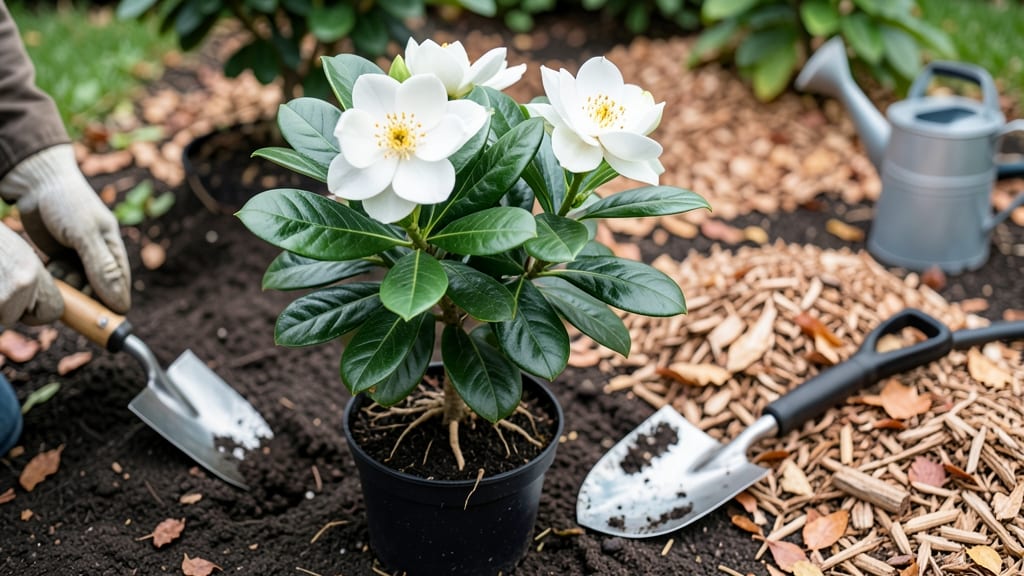
Plant gardenias in North Carolina between mid-March and April after the last frost has passed, when soil temperatures hit 60°F—the sweet spot for root establishment.
But here’s the catch: timing isn’t just about the calendar—it’s about your specific heat zone. In the 7a mountains, a late frost can still lurk in May, while coastal 8b zones might be too hot by April.
Get this wrong, and you’re staring at stunted growth or, worse, a plant that gives up entirely.
This guide breaks down the exact planting windows for your NC region, plus soil prep tricks to give your 🌸 gardenias the acidic, well-draining foundation they crave. We’ll also cover how to shield young plants from NC’s infamous humidity swings and late frosts.
By the end, you’ll know not just when to plant, but how to set your gardenias up for three seasons of fragrant blooms—no guesswork, just proven NC strategies.
NC heat-zone planting calendar for gardenias: best months by region
North Carolina’s USDA zones 7b-8a create dramatic differences in gardenia planting windows. Coastal areas like Wilmington (zone 8a) enjoy earlier frost-free dates than Piedmont cities like Raleigh (zone 7b). Even a 10-day difference can mean the difference between thriving blooms and frost-damaged leaves.
Gardenias thrive when planted 4-6 weeks before last frost—but NC’s microclimates complicate timing. For example, Asheville’s higher elevation (zone 7b) has later frost dates than Outer Banks’ coastal warmth. Use the table below to pinpoint your optimal planting week based on your exact location.
Pro Tip: Check your local frost dates using the NC State Climate Office map—this is your planting deadline. Gardenias planted too early risk stunted growth, while late plantings may not establish roots before summer heat arrives.
| NC Region | USDA Zone | Last Frost Date | Best Planting Window | Soil Prep Time |
|---|---|---|---|---|
| Coastal (Wilmington, Outer Banks) | 8a | March 1-15 | February 15 - March 15 | January 15 - February 10 |
| Piedmont (Raleigh, Charlotte) | 7b | March 15-31 | March 1 - April 1 | February 1 - March 1 |
| Mountains (Asheville, Boone) | 7a/7b | April 1-15 | April 1 - May 1 | March 1 - April 1 |
| Sandhills (Fayetteville) | 7b/8a | March 10-25 | February 28 - March 20 | January 20 - February 20 |
For coastal NC gardeners, aim to plant gardenias by mid-March to give roots time to establish before summer’s 90°F+ temperatures. In the Piedmont region, wait until after March 15—late frosts here can still dip below 28°F in April, killing tender new growth.
Mountain regions like Asheville have the latest planting windows due to cooler nights and higher elevations. Plant no later than May 1 to avoid summer drought stress. Even then, mulch heavily (3-4 inches) to protect roots from heat waves that can bake NC’s clay soils.
Use USDA’s Plant Hardiness Map to verify your zone, then adjust planting by 1-2 weeks based on your local microclimate. For example, a south-facing slope warms up faster than a north-facing yard—plant 1 week earlier in sunny spots to compensate.
After planting, water deeply every 2-3 days for the first 30 days to encourage root growth. Avoid overhead watering—drip irrigation or soaker hoses prevent fungal diseases common in NC’s humid summers. Your gardenias will reward you with fragrant blooms by mid-summer if planted at the right time.
Remember: Fall planting is risky for gardenias in NC. While some shrubs tolerate autumn starts, gardenias need 6-8 weeks of warm soil to establish roots before winter dormancy. Stick to spring planting for the best results—your nose (and neighbors) will thank you.
Signs your NC soil is ready for gardenias (and how to fix it)
Gardenias thrive only in soil with a pH between 5.0 and 6.0, but most NC soils lean alkaline—often between 6.5 and 7.5. This mismatch explains why your gardenias might look healthy but refuse to bloom.
Before planting, test your soil’s acidity with a simple DIY test kit (like the Luster Leaf or MySoil kits) or send a sample to the NC State Extension Service for a professional analysis.
Look for clay-heavy soil that stays compact when wet—a dead giveaway in NC’s Piedmont region. Gardenias hate soggy roots, so poor drainage will stunt growth or invite root rot.
Dig a hole, fill it with water, and time how long it takes to drain. If it’s still wet after 4-6 hours, your soil needs amending.
Another red flag? Soil with less than 5% organic matter. NC’s native soils often lack the nutrients gardenias crave. Scratch the surface—if it’s hard and crumbly with few earthworms, your soil needs a boost. Organic matter improves moisture retention and aeration, both critical for gardenias.
⚠️ NC Soil Pitfalls & Quick Fixes
- Alkaline soil (pH >7.0)? Add sulfur or peat moss to lower pH gradually.
- Clay soil draining slowly? Mix in compost or perlite to improve aeration.
- Low organic matter? Top-dress with 3-4 inches of compost before planting.
Gardenias won’t bloom if stressed by poor soil—fix these issues 6-8 weeks before planting for best results.
To amend your soil, start by removing the top 6-8 inches of native soil and replace it with a mix of 50% peat moss or pine bark fines, 30% compost, and 20% perlite or sand.
This creates the ideal acidic, well-draining environment. For existing gardenias, work this mix into the top 4-6 inches of soil around the base.
For a DIY soil test, grab a handful of moist soil and rub it between your fingers. If it feels gritty and lacks earthy smell, it’s nutrient-poor. For a more precise test, use a pH meter or litmus paper strips (available at garden centers).
Aim for a reading between 5.5 and 6.0—this is the sweet spot for gardenias.
Once your soil is ready, plant gardenias in spring after the last frost (typically mid-March to April in NC). Mulch with pine needles or shredded bark to maintain acidity and retain moisture.
With the right soil prep, your gardenias will reward you with glossy leaves and fragrant blooms all summer long.
Remember: Gardenias are picky but worth it. A little soil prep now means years of fragrant blooms—no more sad, non-blooming shrubs! 🌿