
Planting
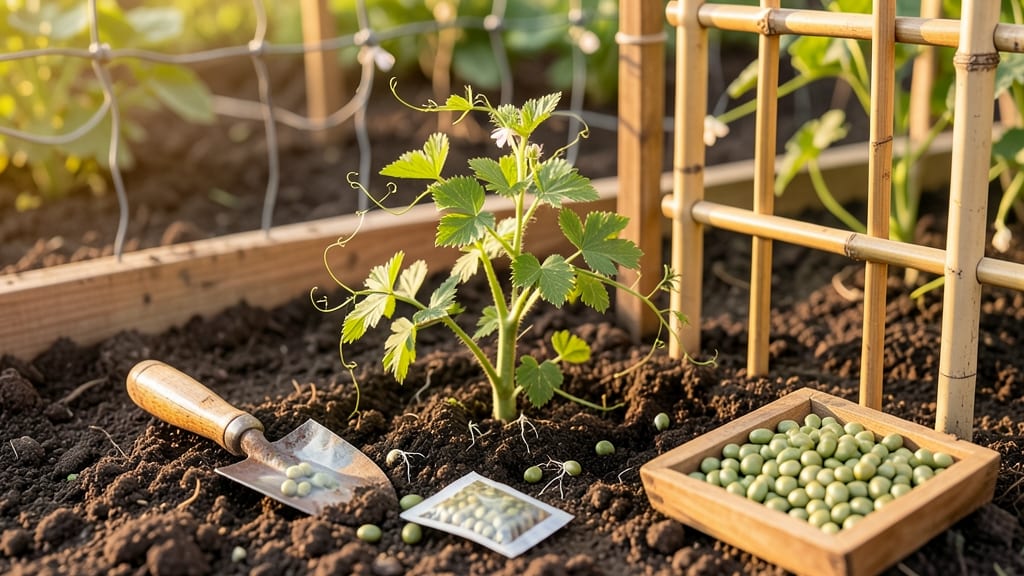
Plant garden peas 4-6 weeks before your last frost for a fast harvest, or repeat the process in late summer to stretch your season.
Here’s the catch: these cool-loving 🌱 legumes bolt in heat, so timing is everything. Plant too early, and frost stunts them; too late, and they’ll wither before producing pods. I’ve wasted entire seasons on both mistakes—and you don’t have to.
Whether you’re in USDA Zone 6a or further south, the key is matching your local frost dates with soil temps between 50-70°F. That’s how you turn a 60-day crop into a reliable harvest, not a gamble.
Below, I’ll walk you through the exact windows for your region, plus how to prep soil and avoid the three biggest timing mistakes that kill pea yields.
Best planting times for garden peas by climate Zone
Garden peas (Pisum sativum) are cool-season champions that thrive when temperatures are mild—typically between 40°F and 75°F. Planting them at the wrong time can lead to stunted growth, poor germination, or even bolted plants.
The key is to align your planting schedule with your USDA hardiness zone and local frost dates. In colder regions, you can even plant peas in late fall for a winter harvest, while warmer zones benefit from early spring or late summer sowings.
For most gardeners, the ideal planting window falls between 4-6 weeks before your last expected frost in spring and 70-80 days before your first frost in fall.
However, these timelines shift dramatically depending on whether you're in Zone 3 (where winter planting is possible) or Zone 10 (where heat tolerance becomes critical). Below, I’ve broken down the best planting times for each zone, including temperature thresholds and seasonal adjustments.
🌱
| USDA Zone | Best Planting Times | Soil Temp Threshold | Notes |
|---|---|---|---|
| Zones 3-4 | Early spring (March-April) or late summer (August-September) | 40°F-50°F for germination | Winter planting possible in Zone 3 if soil isn’t frozen |
| Zones 5-6 | Early spring (March-April) or late summer (July-August) | 45°F-55°F for germination | Fall planting works if first frost is after October 15 |
| Zones 7-8 | Early spring (February-March) or late summer (August-September) | 50°F-60°F for germination | Avoid planting in extreme heat (above 80°F) |
| Zones 9-10 | Fall (October-November) or winter (if irrigated) | 55°F-65°F for germination | Use shade cloth in summer; prefer dwarf varieties |
In USDA Zones 3-4, where winters are harsh, gardeners often plant peas as early as late February or early March for a spring harvest. However, if you’re in a region with snow cover, wait until the ground thaws and soil temperatures reach at least 40°F.
For a second crop, sow seeds in late summer (August) to harvest before the first frost. Some gardeners in these zones also experiment with winter planting under row covers, which can extend the season into early spring.
Gardeners in Zones 5-6 have more flexibility, thanks to milder winters. Start seeds indoors 6-8 weeks before your last frost date or direct-sow in early spring (March-April). For a fall crop, aim to plant 70-80 days before your first frost, typically in late July or August.
If your first frost arrives late (after October 15), you might even squeeze in a second planting in early September.
Warmer climates like Zones 7-8 require a different approach. Plant peas in early spring (February-March) to avoid the heat of summer. If you attempt a fall crop, do so 4-6 weeks before your first frost—usually by mid-August.
In these zones, peas struggle when daytime temperatures exceed 80°F, so afternoon shade can help. Choose heat-tolerant varieties like 'Carouby de Maussane' or 'Oregon Sugar Pod' for better success.
For gardeners in Zones 9-10, traditional spring planting is risky due to heat. Instead, focus on fall or winter planting, ideally between October and December. Use drip irrigation to maintain consistent moisture and consider shade cloth if planting in late winter.
Some varieties, like 'Tom Thumb,' are better suited for these warm climates because they mature quickly and tolerate higher temperatures.
One pro tip I’ve learned is to check soil temperatures before planting. Use a soil thermometer to confirm your soil is within the ideal germination range (40°F-65°F). If it’s too cold, peas won’t sprout; if it’s too hot, they’ll bolt prematurely.
In my own garden, I’ve had the best success with peas when I plant them in cool, overcast days—this reduces stress on the seedlings and encourages even germination.
🌿
Don’t forget that succession planting can give you a continuous harvest. For example, in Zones 5-6, you could plant a first batch in March, a second in late May, and a third in early July for a staggered yield.
This works especially well with bush varieties, which mature faster than climbing types. By spacing your plantings 2-3
How to time your pea planting for fastest growth and harvest
Timing your pea planting is like catching a cool breeze—too early, and you risk frost damage; too late, and you miss the sweet spot for fastest growth. Peas thrive in 50-70°F soil, making early spring and late summer the ideal windows.
But how do you know exactly when to plant? Let’s break it down into actionable steps to maximize your harvest.
First, check your last frost date—this is your golden rule. Plant peas 4-6 weeks before the last frost in spring, ensuring they sprout quickly in cool soil.
If you miss this window, don’t despair: late summer plantings (70-80 days before the first frost) can still yield a second harvest before winter sets in.
Test Soil Temperature
Use a soil thermometer to confirm 50-70°F soil. Peas won’t germinate well in colder or warmer soil.
Plant 1 Inch Deep
Sow seeds 1 inch deep in rows 2-3 inches apart. This spacing ensures airflow and reduces disease risk.
Add Trellis Support
Install a trellis or stakes at planting to guide climbing varieties. This saves space and improves air circulation.
Use Companion Planting
Plant peas with carrots, radishes, or lettuce to maximize space and deter pests naturally.
Extend the Season
For continuous harvests, plant every 2 weeks in spring or use row covers to protect from late frosts.
Once your peas are in the ground, monitor soil moisture closely. Peas need consistent watering—about 1 inch per week—but avoid waterlogging, which can rot the roots. Mulch around the base to retain moisture and suppress weeds, giving your peas the best chance to thrive.
For fastest growth, prioritize cool, fertile soil and protect young plants from pests like pea aphids. If you notice yellowing leaves or stunted vines, it’s often a sign of overcrowding or nutrient deficiency. A light application of compost or a balanced fertilizer can help revive struggling plants.
With the right timing and care, you’ll enjoy a bountiful harvest in just 60-70 days. The key is patience—peas may take a little longer to sprout than other veggies, but the wait is worth it for their sweet, tender pods. Happy planting! 🌱