
Planting
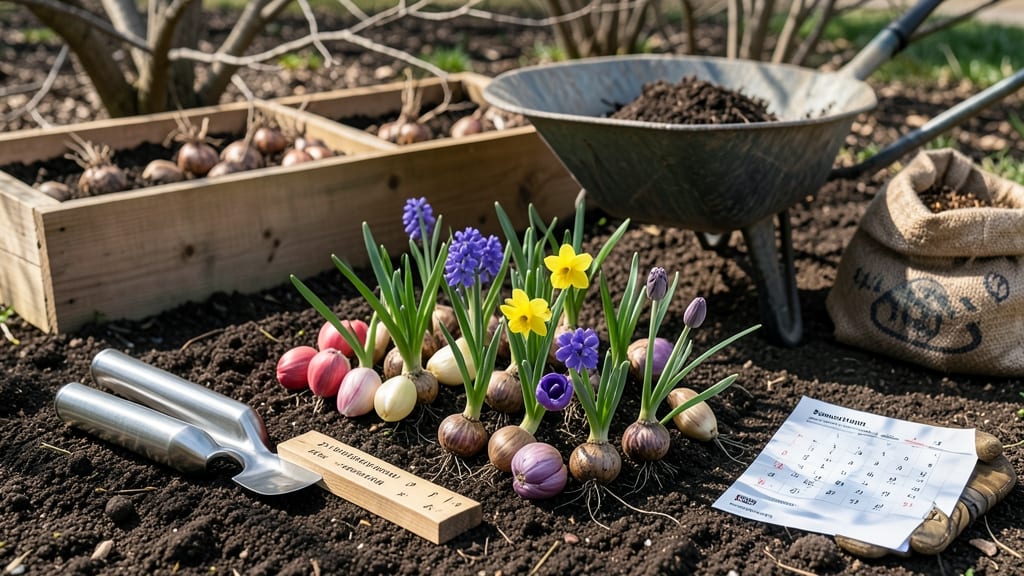
To plant bulbs in your garden at the perfect time means the difference between a burst of spring color and a missed opportunity 🌱 — and the right month depends on your zone, bulb type, and frost dates.
Picture this: you’ve just tucked in your tulip bulbs in late fall, only to wake up to a surprise frost. Or worse, you plant them in early spring and watch them rot in soggy soil.
Timing is everything, and getting it wrong can leave you staring at bare ground where blooms should be.
Most gardeners know fall planting is key for spring bloomers like daffodils and crocuses, but the exact window shifts by hundreds of miles. In USDA Zone 6a, that means aiming for October 15—six to eight weeks before the first frost—while warmer zones can wait until November.
Early spring plantings (like for summer-flowering bulbs) need soil that’s workable but not waterlogged.
In this guide, I’ll break down the exact months for your zone, how to adjust for early/late frosts, and the telltale signs your bulbs are planted too soon or too late. No more guesswork—just a foolproof schedule for bulbs that thrive.
Best months to plant garden bulbs by USDA hardiness Zone
Timing your bulb planting correctly ensures vibrant blooms next season. Most spring-flowering bulbs like tulips and daffodils need a cold period to thrive, while fall-planted varieties like hyacinths establish roots before winter.
Your USDA hardiness zone determines the exact window—plant too early, and bulbs may rot; too late, and they won’t root properly. Let’s break it down by zone to get your timing perfect.
For fall-planted bulbs (the majority), aim to plant 6-8 weeks before your first frost date. This gives roots time to form without sprouting too early.
In warmer zones (like zone 8-10), bulbs may need a cooling period—either plant them earlier or chill them in the fridge for 8-12 weeks before planting. Spring-planted bulbs (like caladiums) go in after the last frost when soil warms to 60°F.
Key rule: Never plant bulbs in frozen or waterlogged soil. A soil thermometer helps—ideal temps are 50-60°F for fall planting and 60-65°F for spring. Below, find your zone’s exact planting months, plus bulb-specific tips to avoid common mistakes.
In USDA zones 3-4, plant tulips and daffodils in September—this gives roots time to establish before winter. Wait until soil temps drop below 60°F to avoid rot. For hyacinths and crocuses, which are hardier, you can push planting to early October.
Use a soil thermometer to confirm temps are 50-55°F—this is critical for root development.
Zones 5-6 have a wider window: aim for mid-October for most bulbs. Snowdrops and alliums can handle later planting (even November in mild years), but tulips need to be in the ground by October 15th.
Pro tip: Mix compost into the soil before planting—this improves drainage and encourages root growth in cooler climates.
Gardeners in zones 7-8 often struggle with bulb sprouting too early. Plant in November-December to delay sprouting until spring. For lilies and fritillaries, which need more warmth, wait until January in zone 8.
Always plant bulbs 2-3 times deeper than their height—this helps prevent premature shoots in mild winters.
Warmer zones 9-10 require special care: most
How to adjust bulb planting for early or late frost zones
Living in USDA Zone 1 or Zone 11? Or perhaps you’re in an urban heat island where microclimates throw off traditional planting schedules? These extreme conditions demand creative adjustments to protect your spring-blooming bulbs from either premature sprouting or frost damage.
Let’s dive into tailored strategies for gardeners facing these challenges.
In early frost zones (like Zone 1 or high-elevation areas), the ground freezes earlier, forcing bulbs to wait longer before planting. Meanwhile, in late frost zones (like Zone 11 or coastal areas), bulbs might sprout too soon if planted at standard times.
Both scenarios require soil temperature monitoring and strategic timing shifts to ensure success.
⚠️ WARNING: Common Mistakes in Extreme Zones
⚠️ Planting too late in warm climates can cause bulbs to sprout prematurely. Zone 11 gardeners should plant 3-4 weeks earlier than standard schedules to avoid heat stress.
⚠️ Ignoring microclimates (like urban heat islands) leads to failed blooms. Test soil temps with a soil thermometer—aim for 60-65°F (15-18°C) for optimal planting.
For Zone 1 gardeners, extend your planting window by using mulch heavily (4-6 inches of straw or leaves) to insulate bulbs. Plant dwarf varieties like Crocus or Snowdrops, which tolerate colder soils better.
In Zone 11, opt for heat-tolerant bulbs like Rain Lilies (Zephyranthes) or Crinum lilies, and plant in partial shade to avoid overheating.
Microclimates add another layer of complexity. Urban areas can be 5-10°F warmer than rural zones, so adjust planting dates 2-3 weeks earlier. High-elevation gardens (like those in Zone 5 mountains) may need bulbs planted 4-6 weeks later than flatland schedules.
Always monitor local frost dates—they’re your best guide!
Pro tip: Use row covers or cold frames in early zones to extend the growing season. In late zones, shade cloth (30-50%) can prevent premature sprouting. Both tools buy you critical time to align planting with your local climate’s quirks.
Remember, bulb success hinges on timing. With these adjustments, even the most challenging zones can yield vibrant spring blooms—no matter where you garden. 🌱