
Planting
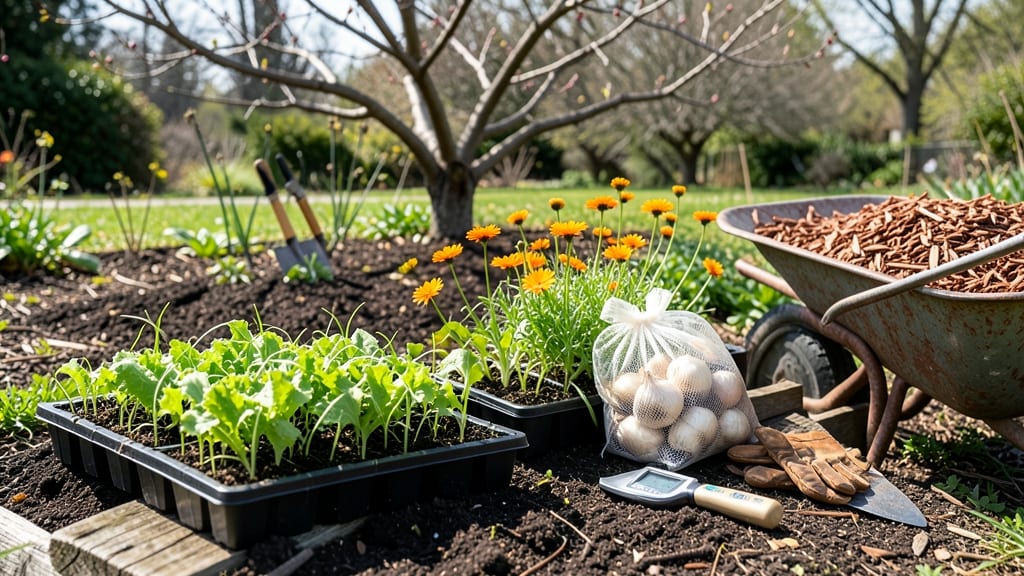
Planting your garden in Oregon at the right time means beating frost in the valleys or waiting for the desert heat to break — timing that can shift by weeks between Portland and Bend.
Oregon’s diverse microclimates—from coastal fog to high-desert heat—make planting timing a critical puzzle for gardeners. Get the wrong schedule, and frost or heat stress can wipe out your hard work in days.
But with the right approach, you can align your planting with Oregon’s unique growing windows for a thriving harvest.
In this guide, I’ll break down the exact frost dates for Oregon’s three main zones, show you how to adjust for microclimates like urban heat islands, and share a month-by-month planting calendar for vegetables, flowers, and perennials that thrives in Oregon’s conditions.
You’ll also learn how to extend your season with row covers, pick the most cold-hardy varieties for late springs, and avoid the common mistakes that turn Oregon’s unpredictable weather into a gardening nightmare.
Oregon’s planting zones by microclimate: coastal vs. valley vs. High Desert timing
Oregon’s three dominant microclimates—coastal, Willamette Valley, and High Desert—create wildly different growing seasons. The coastal fog belt can delay spring planting by weeks, while the High Desert may see frost even in summer.
Understanding these last-frost dates and frost-free periods is key to avoiding failed crops. Let’s break down when to plant in each zone, so you can time your garden for success.
Most Oregon gardeners fall into USDA Zones 7-9, but elevation and proximity to the Pacific Ocean create dramatic shifts in planting windows. The Willamette Valley (Zone 8-9) typically enjoys 180-240 frost-free days, while coastal areas (Zone 8) may only see 150-180 days.
Meanwhile, the High Desert (Zone 6-7) can have 120-150 frost-free days, with late frosts well into June. These differences mean your neighbor’s planting schedule might not work for you!
Here’s a quick comparison of last spring frost and first fall frost averages by region to help you plan:
| Microclimate | Last Spring Frost | First Fall Frost | Frost-Free Days | Ideal Planting Window |
|---|---|---|---|---|
| Coastal (e.g., Astoria, Cannon Beach) | Mid-April to early May | Late October to early November | 150-180 days | Late May–July (warm crops) |
| Willamette Valley (e.g., Portland, Eugene) | Early to mid-April | Mid-October to early November | 180-240 days | Early April–August (longer season) |
| High Desert (e.g., Bend, La Pine) | Late May to early June | Late September to early October | 120-150 days | June–early August (short window) |
In the coastal zone, cooler temperatures and morning fog mean you should wait until late May to plant warm-season crops like tomatoes and peppers.
The Willamette Valley offers a longer window, allowing you to start cool-season crops like lettuce and peas as early as March and warm-season crops by mid-April. Meanwhile, High Desert gardeners must act fast—plant fast-maturing varieties by late May to avoid early frosts.
Elevation plays a huge role in planting timing. For example, Mount Hood’s foothills (Zone 6) may see frosts until June 15, while lower elevations in the valley (Zone 8) can safely plant by April 15.
Always check local frost records—your specific elevation can shift planting dates by 2-4 weeks. Use resources like the Oregon State University Extension Service for hyper-local data.
For coastal gardeners, focus on early-maturing varieties and cold-hardy crops like kale, broccoli, and carrots. These thrive in cooler soils and can tolerate light frosts.
In the Willamette Valley, you can experiment with two planting cycles: one in early spring for quick harvests and another in summer for fall crops. The High Desert demands drought-tolerant plants and fast growers like bush beans or zucchini to beat the early frost.
Don’t forget about microclimates within microclimates. A south-facing slope in the High Desert might warm up 2-3 weeks earlier than a valley floor. Urban areas like Portland can experience heat islands, delaying frost until November in some spots.
Observe your garden’s unique conditions for 3 years to refine your planting schedule.
If you’re unsure about your last frost date, use frost-sensitive plants like basil or petunias as test plants. Plant them in late April—if they survive, you’re likely in the clear.
For High Desert gardeners, consider using row covers or cold frames to extend your season by 3-4 weeks. These tools can make the difference between a bountiful harvest and a failed crop.
Timing your garden correctly in Oregon isn’t just about avoiding frost—it’s about maximizing your growing season. By aligning your planting with your microclimate’s unique rhythm,
How to adjust planting dates for Oregon’s unpredictable weather patterns
Oregon’s weather can shift faster than a coastal breeze, leaving gardeners scrambling when late spring frosts or early fall chills threaten tender plants. The key to success? Flexibility.
Even in the Willamette Valley, where I’ve gardened for years, a 3-week delay in planting can mean the difference between a bountiful harvest and a sad, wilted disappointment. Understanding how to adjust your schedule based on microclimates and weather forecasts is your secret weapon.
Start by monitoring local frost dates—not just the averages. For example, Portland’s urban heat islands often experience 5-7°F warmer nights than rural areas just 20 miles away. This shift can push your planting window by 2-3 weeks later than traditional charts suggest.
Pair this with row covers or cold frames, and you’ll gain an extra 4-6 weeks of growing time in spring and fall.
For gardeners in transitional zones, like the Columbia Gorge or Eugene’s foothills, I recommend a 3-step risk assessment. First, check the National Weather Service’s 10-day forecast—if nights dip below 40°F, delay planting heat-loving crops like peppers or squash.
Second, harden off seedlings gradually if you’re transplanting early. Finally, keep a backup batch of seeds ready to replant if a late frost hits.
Don’t overlook soil temperature as a critical factor. Use a soil thermometer to confirm when it reaches 50°F for root crops or 60°F for warm-season veggies. In my Portland garden, this often means waiting until mid-May for tomatoes, even if the air feels warm earlier.
Patience here prevents blossom-end rot and stunted growth.
Fall planting requires the same precision. In USDA Zone 8 areas, like Medford, you can sow spinach or kale as early as mid-August, but in Zone 7 (e.g., Bend), wait until September 1st to avoid early October frosts.
A simple trick? Plant fast-maturing varieties like ‘Salad Bowl’ lettuce (harvest in 30 days) to maximize your window.
Remember, Oregon’s weather is unpredictable but manageable. By combining local data, season extenders, and adaptive varieties, you’ll turn those chilly surprises into opportunities. Start small, keep records, and adjust next year—your future harvests will thank you. 🌱