
Planting
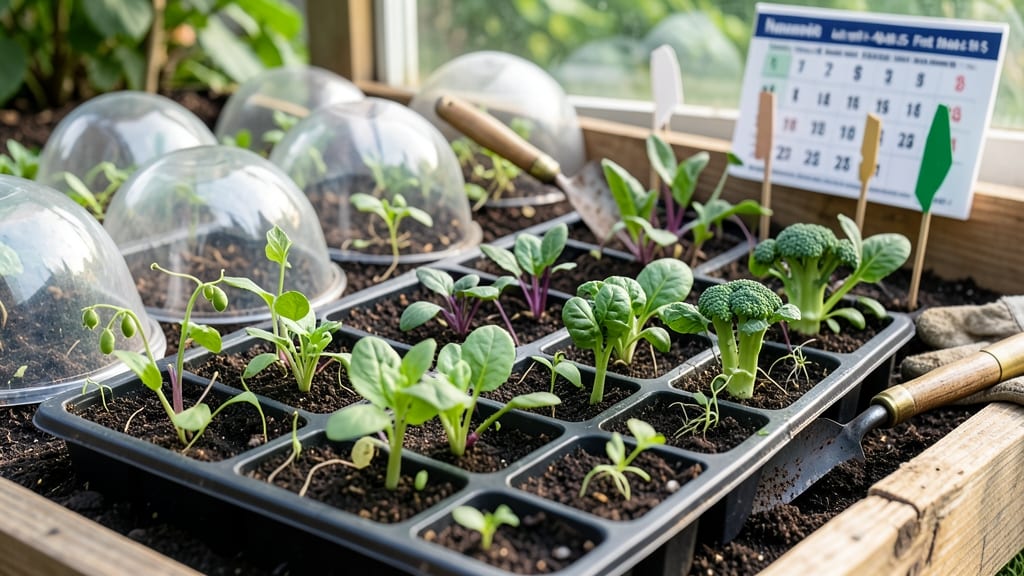
Planting your garden in Nebraska at the right time means the difference between a thriving harvest and a frost-killed disappointment.
Nebraska’s unpredictable frost dates can turn a gardener’s excitement into frustration—plant too early, and your seedlings freeze; too late, and pests or heat ruin your harvest. But timing your garden just right means bountiful tomatoes, crisp lettuce, and thriving perennials—without the guesswork.
Cool-season crops like peas and spinach can handle Nebraska’s chilly springs, while warm-season favorites like tomatoes and peppers need to wait until after the last frost—typically mid-May in most regions. Even then, microclimates in USDA Zones 5b-6a mean your neighbor’s schedule might not match yours.
In this guide, I’ll break down the best planting windows by crop type, share tricks to extend your season, and help you avoid common mistakes—so you can finally get that garden growing like you’ve always dreamed.
Nebraska’s frost-free dates by region: when to start planting
Nebraska’s frost-free dates vary dramatically across regions, making timing your garden a balancing act between last spring frost and first fall frost. In Omaha (USDA Zone 5b), the average last frost arrives around April 25th, while Lincoln (Zone 5b-6a) sees it slightly earlier, by April 15th.
Western Nebraska, including Kearney (Zone 5b), often waits until May 5th—a critical difference for warm-season crops like tomatoes and peppers.
These frost-free windows determine whether your cool-season crops (like lettuce and peas) thrive or bolt, and when to safely plant warm-season favorites (tomatoes, cucumbers, and basil).
Microclimates—like south-facing slopes or urban heat islands—can shift these dates by 1-2 weeks, so always check local records or use frost-free calculators from the Nebraska State Climate Office.
For example, Omaha’s first fall frost typically hits October 15th, giving you a 170-day growing season—just enough for early-maturing varieties like determinate tomatoes (60 days) or bush beans (50 days).
In contrast, Lincoln’s longer season (180 days) allows for indeterminate tomatoes or squash, which need 90+ days to mature.
Western Nebraska’s shorter season (150 days) demands fast-maturing varieties or season-extending tools like row covers. Even a 2-week delay can mean the difference between a bountiful harvest and stunted plants.
Always adjust your planting schedule based on your specific location’s frost history, not just the statewide average.
Here’s how Nebraska’s regions compare for key planting windows, including adjustments for cool-season and warm-season crops:
If you’re in Omaha or Lincoln, you can start cool-season crops like kale, spinach, and peas as early as late February or early March, even if the ground is frozen. These cold-hardy vegetables tolerate light frosts and can handle 32°F temperatures without damage.
However, avoid planting warm-season crops like tomatoes or peppers until the soil temperature reaches 55°F, which typically happens by mid-May in Omaha.
For warm-season crops, use Nebraska’s frost-free dates as a starting point, but also monitor soil temperatures. A soil thermometer is your best friend—plant tomatoes, cucumbers, and squash only when the soil is consistently 60°F+ at a depth of 4 inches.
In western Nebraska, where the growing season is shorter, opt for fast-maturing varieties or start seeds indoors 6-8 weeks before the last frost to give plants a head start.
Microclimates play a huge role in Nebraska’s frost-free timing. A south-facing wall or urban heat island can create a 1-2 week advantage for planting. For example, if your garden sits near a brick building or pavement, the soil may warm 5-10°F faster
Best planting schedule for Nebraska gardens: cool vs. warm-season crops
Nebraska gardeners know timing is everything—cool-season crops like spinach and peas thrive in early spring, while tomatoes and basil need warm soil to germinate. The key is aligning your planting with Nebraska’s USDA Zones 5b-6a and average last frost dates (mid-April to early May in most regions).
Start by dividing crops into two categories: cool-season (planted 4-6 weeks before last frost) and warm-season (planted after soil reaches 50°F). Below is your month-by-month guide, including succession planting tips to keep harvests flowing all season.
📅 March-April (Cool-Season Focus): Plant peas, spinach, lettuce, and onions as soon as soil is workable. For herbs, parsley and cilantro handle cooler temps better than basil. Cover young plants with frost cloth if nights dip below 28°F.
| Month | Cool-Season Crops | Warm-Season Crops | Herbs & Flowers | Succession Tip |
|---|---|---|---|---|
| March | Peas, spinach, lettuce, onions | None (too cold) | Parsley, cilantro, pansies | Sow peas every 2 weeks |
| April | Radishes, kale, carrots | Start tomatoes indoors | Dill, chives, marigolds | Plant lettuce every 3 weeks |
| May | Late spinach, peas | Tomatoes, peppers, basil | Basil, sunflowers, zinnias | Sow bush beans every 2 weeks |
| June | None (heat-sensitive) | Cucumbers, squash, corn | Basil, oregano, cosmos | Thin seedlings for space |
| July-August | None | Late tomatoes, peppers | Basil, nasturtiums | Harvest warm crops |
| September | Kale, spinach, radishes | None (too late) | Parsley, calendula | Plant garlic for next year |
For warm-season crops, wait until soil temps hit 60°F (usually late May) to plant tomatoes, peppers, and cucumbers. Use black plastic mulch to warm soil faster in cooler microclimates. Herbs like basil and oregano love heat but bolt quickly—plant them after the last frost.
Pro tip: Succession planting keeps your garden productive. After harvesting bush beans in July, replant with radishes or spinach for a fall harvest. Similarly, sow lettuce every 2 weeks from April to August to avoid bolting. Flowers like marigolds and sunflowers can be direct-sown in May for summer color.
Don’t forget perennials! Plant asparagus crowns in early spring or rhubarb in fall. These low-maintenance plants reward patience with years of harvests. For flowers, coneflowers and black-eyed Susans thrive when planted in spring or fall.