
Planting
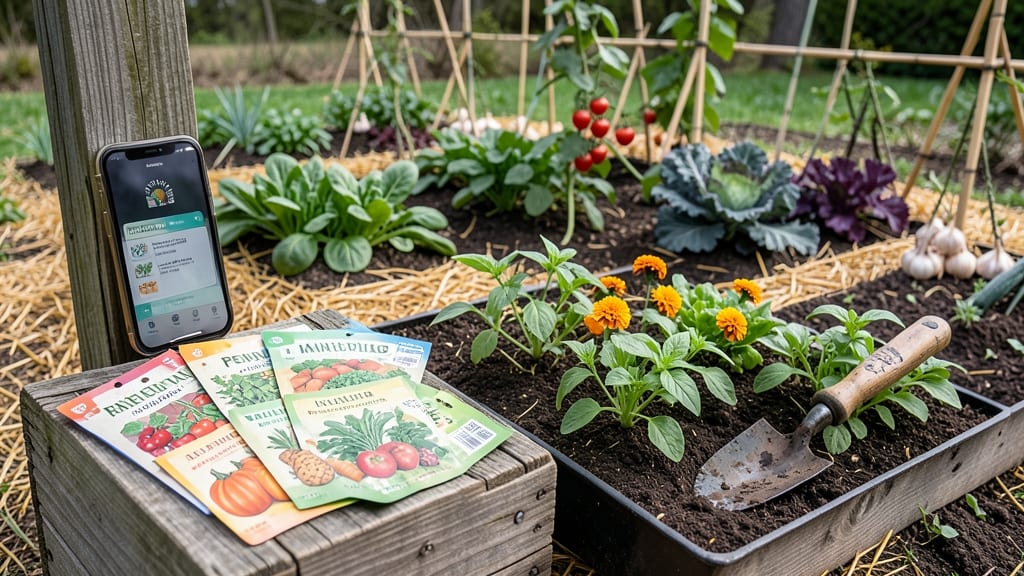
To plant a garden in Minnesota, timing is everything—your last frost date (which varies from May 15 in the North to April 15 in the South) determines whether your seeds sprout or shrivel before they even take root.
Minnesota’s unpredictable frost dates and short growing season can make timing your garden planting a high-stakes guessing game—but getting it right means the difference between a bountiful harvest and a sad, wilted disappointment.
Whether you’re sowing cold-hardy peas in late April or waiting until August for fall crops like kale, the right window is everything.
This guide breaks down the exact planting calendar for Minnesota’s USDA zones 3-5, including when to start seeds indoors, when to direct-sow outdoors, and how to adjust for late frosts or early freezes. No more guessing—just data-driven timing for your General Minnesota Garden 🌱.
You’ll learn which crops thrive in Minnesota’s cool climate, how to extend your season with row covers, and the one trick that saves late-season plants from a sudden frost. Let’s get your garden growing the right way.
Minnesota planting zones: when to start seeds indoors vs. direct sowing outdoors
Minnesota’s USDA Hardiness Zones 3-5 create unique challenges for gardeners, with frost-free dates varying dramatically from north to south. In Zone 3 (northern MN), last frosts often hit May 15-30, while Zone 5 (southern MN) typically sees frost-free conditions by April 15-30.
This variability means your planting strategy must adapt—whether you're starting seeds indoors or sowing directly outside.
For cold-hardy crops like peas, spinach, and kale, direct sowing as soon as soil is workable (around 40°F) can give you an early harvest. But tender plants like tomatoes and peppers need a head start indoors to avoid late-season frosts.
Understanding these windows is key to maximizing your Minnesota garden’s potential.
Below is a comparison of indoor seed-starting vs. direct sowing for Minnesota’s most popular spring and fall crops, organized by zone. Use these timelines to plan your garden and avoid the heartbreak of frost-nipped seedlings!
| Crop | Zone 3 (North) | Zone 4 (Central) | Zone 5 (South) | Indoor Start (Weeks Before Last Frost) | Direct Sow (Outdoor) |
|---|---|---|---|---|---|
| Peas | Early May | Late April | Mid-April | Not needed | As soon as soil is workable (40°F) |
| Spinach | Early May | Late April | Mid-April | Not needed | Early spring or late summer (fall crop) |
| Kale | Early May | Late April | Mid-April | Not needed | Early spring or late summer (fall crop) |
| Lettuce | Early May | Late April | Mid-April | Not needed | Early spring or late summer (fall crop) |
| Tomatoes | Late May | Early May | Mid-April | 6-8 weeks before last frost | After last frost (use row covers) |
| Peppers | Late May | Early May | Mid-April | 8-10 weeks before last frost | After last frost (use black plastic mulch) |
| Broccoli | Early May | Late April | Mid-April | 4-6 weeks before last frost | Early spring or late summer (fall crop) |
| Cucumbers | Late May | Early May | Mid-April | 3-4 weeks before last frost | After last frost (use row covers) |
| Radishes | Early May | Late April | Mid-April | Not needed | Early spring or late summer (fast-growing) |
| Potatoes | Early May | Late April | Mid-April | Not needed (plant seed potatoes) | As soon as soil is workable (40°F) |
For Zone 3 gardeners, starting seeds indoors for tomatoes and peppers is almost mandatory—these plants need a long, warm season to mature, and direct sowing rarely works.
Begin 6-8 weeks before your last frost date (typically April 1-15) under grow lights or in a sunny window. Transplant seedlings outdoors only after soil warms to at least 55°F and nighttime temperatures stay above 50°F.
Meanwhile, cold-hardy crops like peas and spinach thrive when sown directly into cool spring soil. These plants can tolerate light frosts and often produce sweeter flavors when grown in cooler weather.
In Zone 4 and 5, you can even start a fall crop of spinach or kale in late July or early August—just time it so harvest occurs before the first frost.
One of my favorite Minnesota gardening hacks is using row covers or cold frames to extend the season. These tools let you plant 2-3 weeks earlier in spring or 2-3 weeks later in fall, adding critical growing days to your short season.
For example, you can direct sow lettuce or radishes in early April under row covers, giving you an early harvest before summer heat sets in.
Don’t forget about fall planting—it’s just as important as spring! In Minnesota, many cool-season crops like kale, spinach, and broccoli can be sown as late as August 1-15 for a harvest before winter.
The key is to choose varieties with short maturity times (45-60 days) and monitor frost forecasts closely. A light frost can actually sweeten leafy greens like spinach, making fall harvests especially delicious.
To stay on track, I recommend marking your last frost date on your calendar and working backward for indoor starts. For Zone 4 and 5 gardeners, this might mean starting
Cold-hardy crops that thrive in Minnesota’s short season (and when to plant them)
Minnesota’s short growing season demands smart planning, but the right cold-hardy crops can thrive even with late frosts. I’ve grown these 10 frost-resistant vegetables and herbs successfully in my Zone 4 garden—each chosen for their ability to tolerate cool soil and unpredictable weather.
The key? Planting at the right time and pairing them with the right companions to maximize yield before the first frost.
Most of these crops can handle soil temperatures as low as 40°F, which is perfect for Minnesota’s early spring and late fall.
For example, potatoes and radishes can be planted as soon as the soil is workable (around 45°F), while Swiss chard and kale tolerate light frosts and even sweeten when exposed to cold.
Below, I’ve outlined the best planting windows, soil requirements, and companion planting tips to help you get the most out of your short season.
🌱 Pro Tip: Always check your local frost dates (use the MN State Climatology Office as a guide) and adjust planting times by 1-2 weeks if your area tends to be colder or warmer than average. For instance, northern Minnesota gardeners should wait until May 15 or later for frost-sensitive crops, while southern areas can start earlier.
One of my favorite cold-hardy herbs is cilantro, which bolts quickly in hot weather but thrives in Minnesota’s cool springs and falls. I plant it alongside lettuce and spinach for a self-shading combo that keeps the soil moist and the leaves crisp.
For potatoes, I’ve found that planting them in