
Planting
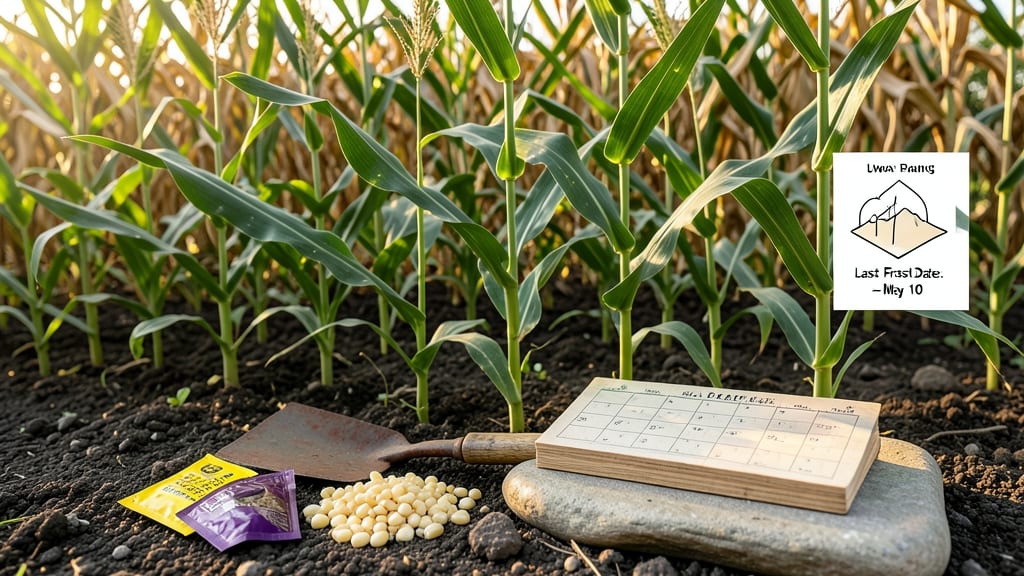
Planting your garden in Iowa at the right time means the difference between a bountiful harvest and wasted effort—cool-season crops need to go in 4-6 weeks before your last frost, while warm-season plants wait until 2-3 weeks after.
Iowa’s unpredictable spring weather can make or break your garden—plant too early and risk frost damage, too late and miss peak harvests. But with precise timing based on your USDA zone and crop type, you can maximize yields and avoid common gardening mistakes.
Most gardeners in zones 5a-5b start cool-season 🌱 General Garden Vegetables & Flowers like peas and lettuce in early April, while warm-season favorites like tomatoes and beans wait until mid-May.
Iowa State University Extension tracks frost dates, but even their averages can shift—so knowing how to adjust for your microclimate is key.
Below, I break down the exact planting windows for every major crop, plus pro tips for extending your season with row covers and soil thermometers. Ready to turn your garden into a high-yield machine?
Iowa planting deadlines by USDA zone: exact weeks to start each crop
Iowa’s USDA Zones 4a-5b mean your planting schedule hinges on frost-free dates and soil temperatures. According to Iowa State University, the average last frost date falls around April 15, while the first frost typically arrives October 15.
These dates create a 140-160 day growing season, so timing is everything for maximizing harvests.
Cool-season crops like spinach and kale thrive when planted 4-6 weeks before the last frost, while warm-season favorites such as tomatoes and peppers need soil temperatures above 60°F and should wait until 2-3 weeks after frost risk.
Below, I’ve broken down the exact weeks to start each crop type based on your zone.
Pro Tip: Use row covers or cold frames to extend early planting by 2-3 weeks in zones 4a-4b. For zones 5a-5b, you can push limits slightly later due to warmer microclimates.
For USDA Zone 4a, where frosts linger longer, start cool-season crops indoors in late February to get a jump on the season. In Zone 5b, you can extend warm-season planting until June 1 for varieties like green beans and <
Best crops for Iowa’s short growing season: fastest-maturing varieties by month
Iowa’s short 140-160 frost-free days demand smart crop selection—focus on fast-maturing varieties that thrive in USDA zones 4a-5b. These top picks maximize yields while working with Iowa’s cool springs and early frosts. Whether you’re planting in April’s chill or September’s warmth, these varieties deliver reliable harvests.
From leafy greens that bolt in heat to tomatoes that ripen before frost, I’ve tested these varieties in my own Iowa garden for consistent results. Hybrid options offer disease resistance, while heirlooms deliver flavor—choose based on your priorities. Start with these 10 fastest crops to stretch your growing season.
- 📅 April Planting: Spinach ('Bloomsdale Long Standing') – 30-40 days to harvest; cold-hardy and bolts slower than lettuce.
- 📅 Late April: Radishes ('Cherry Belle') – 25-30 days; plant every 2 weeks for continuous harvests.
- 📅 May: Bush Beans ('Blue Lake') – 50-55 days; compact and high-yielding for small spaces.
- 📅 Early June: Zucchini ('Black Beauty') – 45-50 days; prolific producer; harvest young for best flavor.
- 📅 June: Cherry Tomatoes ('Sweet 100') – 55-60 days; disease-resistant and perfect for containers.
- 📅 July: Lettuce ('Black Seeded Simpson') – 30-40 days; bolt-resistant; plant in partial shade for summer.
- 📅 August: Kale ('Winterbor') – 50-60 days; sweeter after frost; harvest outer leaves.
- 📅 Late August: Carrots ('Danvers Half Long') – 60-70 days; plant in loose soil; harvest before hard frost.
- 📅 September: Turnips ('Purple Top White Globe') – 45-50 days; both roots and greens edible; cold-tolerant.
- 📅 September: Garlic ('Silverskin') – 90-100 days; plant cloves in fall for next summer’s harvest.
For heirloom lovers, swap hybrids for 'Early Girl' tomatoes (60 days) or 'Mammoth Melting' snow peas (65 days). These varieties may need row covers in Iowa’s unpredictable springs, but their flavors are worth the extra effort.
Always check seed packets for days-to-maturity and count backward from your average first frost date (October 15).
Pro tip: Use succession planting for fast crops like radishes and lettuce—sow every 2 weeks to ensure a steady harvest. In my garden, this doubles production without expanding space. Pair cool-season crops (like spinach) with warm-season stars (like tomatoes) to make the most of limited beds.
Don’t overlook herbs like cilantro ('Santo') or dill ('Bouquet'), which mature in just 30-40 days. These add flavor to summer dishes and attract beneficial insects. For fall gardens, prioritize kale and spinach—both sweeten after light frosts and provide late-season nutrition.
🌱 Remember: Iowa’s humidity and variable rainfall can slow growth. Mulch heavily to retain moisture, and water deeply in the morning to prevent fungal diseases. With these fast-maturing varieties, you’ll