
Planting
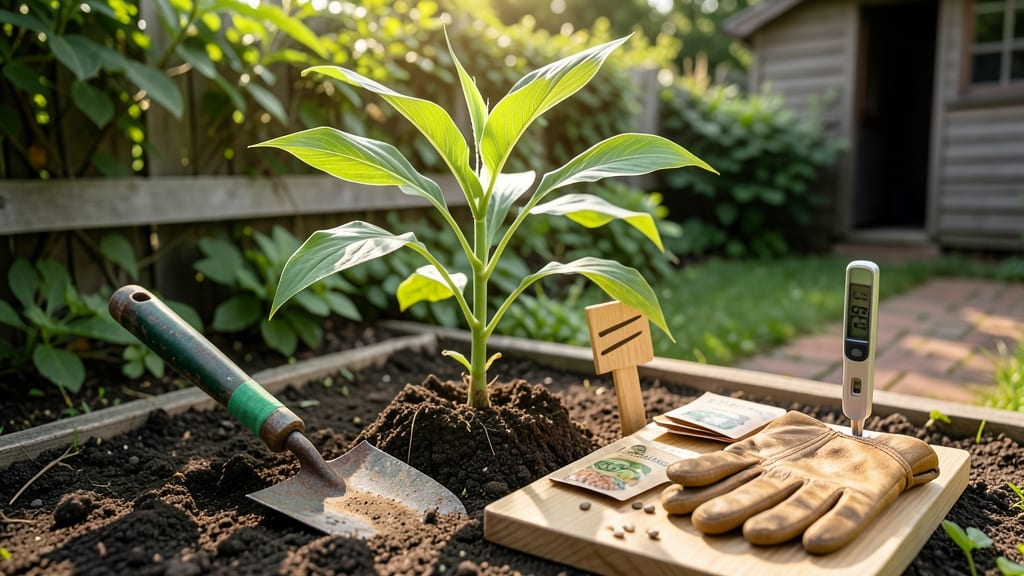
Planting a garden in Iowa means timing your seeds and starts so they thrive in Zone 4’s short growing season — a mistake here can mean lost plants or delayed harvests.
Iowa’s last frost typically lingers until mid-April, but that date isn’t just a number: it’s the difference between a garden that flourishes and one that struggles. Too early, and a late freeze will wipe out your hard work; too late, and you’ll miss the sweet spot for summer crops.
This guide breaks down the exact planting windows for cool-season veggies (like spinach and peas), warm-season favorites (tomatoes, peppers), and perennials — all tailored to Iowa’s frost dates and soil warmth. No more guessing whether your lettuce is safe or your beans are ready.
You’ll learn how to adjust for unpredictable weather, spot the best soil conditions, and even salvage a late start. Let’s get your garden off to the right start — because in Iowa, timing isn’t just important, it’s everything.
Iowa’s ideal planting dates by crop type (Zone 4 guide)
Iowa’s Zone 4 climate demands precise planting timing to beat early frosts and short summers. The average last frost date falls between April 15-30, while the first frost typically arrives by October 15.
Understanding these windows ensures your vegetables, flowers, and perennials thrive despite Iowa’s unpredictable weather. Let’s break down the best times to plant by crop type, using soil temperature and frost-free days as your guides.
For cool-season crops like lettuce and peas, you’ll want to start seeds 4-6 weeks before the last frost date. These hardy plants tolerate light frosts and even prefer cooler temperatures.
Meanwhile, warm-season crops such as tomatoes and peppers need to wait until the soil reaches at least 60°F—usually mid-May in Iowa. Perennials, like coneflowers or daylilies, can often go in the fall or early spring for best establishment.
Here’s a quick reference for Iowa’s planting timeline, organized by crop type and season:
| Crop Type | Planting Window | Soil Temp Requirement | Notes |
|---|---|---|---|
| Cool-Season Vegetables | Early Spring (March-April) & Fall (August-September) | 40-50°F | Lettuce, spinach, peas, broccoli |
| Warm-Season Vegetables | Late Spring (May-June) | 60°F+ | Tomatoes, peppers, cucumbers, beans |
| Perennials | Early Spring (April) or Fall (September) | 45-55°F | Coneflowers, daylilies, lavender |
| Annual Flowers | Late Spring (May) or Fall (July-August) | 50-60°F | Marigolds, zinnias, sunflowers |
| Succession Planting | Every 2-3 Weeks (June-August) | 60°F+ | Lettuce, radishes, beans |
For cool-season crops, start seeds indoors 4-6 weeks before your last frost date to give them a head start. In Iowa, this usually means mid-March for early varieties.
Direct sowing can begin as early as late March if you’re using row covers to protect tender seedlings. Peas and spinach are particularly resilient and can handle light frosts, making them ideal for early planting.
When planting warm-season crops, wait until the soil temperature consistently stays above 60°F. In most of Iowa, this occurs around mid-May. Use a soil thermometer to confirm—tomatoes and peppers won’t germinate well in cooler soils.
If you’re eager to get a jump start, consider transplanting seedlings purchased from local nurseries once the risk of frost has passed.
Perennials like coneflowers and daylilies benefit from being planted in the fall or early spring. Fall planting allows roots to establish before winter, while spring planting gives them time to settle before the heat of summer.
For annual flowers, wait until after the last frost date to direct sow seeds, typically late May. This timing ensures they won’t be damaged by unexpected late frosts.
Don’t forget about succession planting to maximize your harvest! For crops like lettuce, radishes, and beans, sow seeds every 2-3 weeks from June through August. This method ensures a continuous supply of fresh produce and prevents gluts that can go to waste.
It’s especially useful in Iowa’s short growing season, where every extra week counts.
If you’re unsure about your local frost dates, check the Iowa State University Extension website or use a frost calendar specific to your county. Microclimates—like south-facing slopes or urban heat islands—can also shift planting times by 1-2 weeks.
Always be prepared to cover young plants with frost cloth if an unexpected cold snap hits.
Pro tip: Use biodegradable pots for seedlings to avoid transplant shock when moving them outdoors. This method also helps preserve roots, giving your plants a better chance to establish quickly in Iowa’s variable conditions.
With the right timing and a little preparation, you’ll be well on your way to a thriving garden!
Iowa’s Zone 4 climate delivers late spring frosts and early summer heatwaves, forcing gardeners to adapt planting schedules yearly. In 2023, Des Moines saw its last frost shift from mid-April to early May—leaving many gardeners scrambling. The key to success? Flexibility and preparation. My go-to strategy is layering cold-hardy varieties with season extenders. For example, I plant spinach and peas in early April under floating row covers, then transition to tomatoes and peppers only after soil reaches 60°F. This two-phase approach maximizes my 60-day growing window. ⚠️ callout-warning ⚠️
Late frosts (after May 10) can kill warm-season crops like cucumbers and beans. Early heatwaves (before June 1) stress transplants. Use these Iowa-specific rules:
How to adjust planting times for Iowa’s unpredictable weather
🌡️ Iowa’s Weather Wildcards
For fall planting, I rely on cold-tolerant crops like kale and carrots, sowing them by August 15 to harvest before first frost (typically October 10).
A low tunnel extends this window by 3-4 weeks, as proven in Amsterdam, IA, where gardeners harvest spinach until November 1.
Another trick? Succession planting every 2 weeks for lettuce and radishes. In 2022, my neighbor Doug in Cedar Rapids planted 5 batches of bush beans, ensuring harvests from June 20 to August 10 despite a drought in July. The secret? Drip irrigation and shade cloth during heatwaves.
Don’t overlook microclimates. South-facing slopes warm 2-3 days earlier than low-lying areas. I plant warm-season crops there first, then move to shadier beds for greens. In Davenport, gardeners near the Mississippi River plant 1 week later than inland areas due to delayed soil warming.
Track your own data! Note your last frost and first frost dates yearly—my 2024 garden thrived because I adjusted planting windows based on 3 years of records.
Start with hardy crops, then add heat-lovers as confidence grows. With these tweaks, even Iowa’s unpredictable weather becomes a garden advantage. 🌱