
Planting
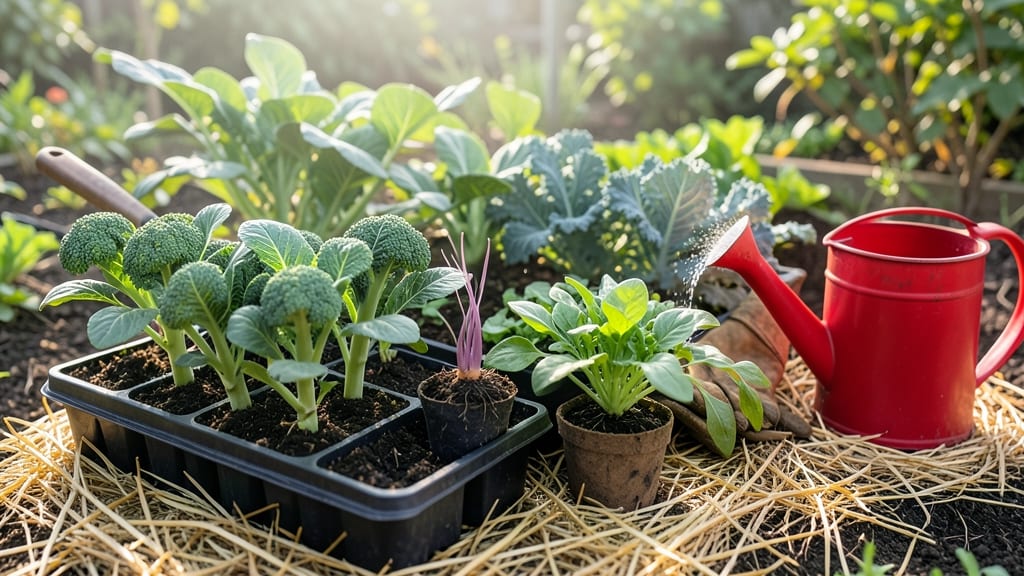
Planting a fall garden in Central Texas requires timing it just right—mid-August to early October is your sweet spot to beat the heat and frost 🥬.
Central Texas gardeners know the summer heat can be brutal—but with the right timing, you can still grow a thriving fall garden packed with heat-tolerant crops. Missing these planting deadlines could mean wilted dreams before the first frost.
Why does this matter? A well-timed fall garden means fresh produce from October through December, even when winter sets in. The key is understanding your zone’s frost dates and choosing crops that thrive in late-summer heat.
In this guide, I’ll break down the exact planting windows, top heat-tolerant crops, and soil prep tips to help you grow a bountiful harvest—without the guesswork.
Critical fall planting deadlines for Central Texas Zone 8b (by month)
In Central Texas Zone 8b, the transition from summer to fall can be tricky—one wrong move, and your heat-tolerant crops like okra or sweet potatoes will bolt before producing. The key is knowing your last planting deadlines by month to beat the final heatwave before the first frost.
Austin, Waco, and San Antonio all share similar first-frost averages around November 15, but microclimates can shift that window by 1-2 weeks.
Your fall planting window in Central Texas typically runs from mid-August to early October, but not all crops thrive in this heat. Okra, sweet potatoes, and black-eyed peas can handle late-summer heat, while kale or broccoli need cooler soil to establish.
Missing these deadlines means risking stunted growth or plants that never mature before frost.
Here’s your month-by-month breakdown of critical deadlines, adjusted for early/late seasons and regional variations:
If you’re in Austin or San Antonio, your first-frost date might arrive 1-2 weeks earlier than Waco due to elevation differences. Always check local frost forecasts (like those from the National Weather Service) to adjust your timeline.
For example, if a hard freeze is predicted by November 1, shift your October planting to mid-September for faster-maturing crops.
For heat-tolerant crops like okra, start seeds indoors in late July to transplant by mid-August.
This gives them a head start before soil temps drop. Sweet potatoes need 90°F+ soil, so plant slips (young plants) by August 1 to harvest before frost. Black-eyed peas are more flexible—sow them by September 15 for a late fall harvest.
Pro tip: Use mulch (straw or leaves) to cool soil and retain moisture after planting. This buys you 10-14 extra days of growing time before frost. Pair it with drip irrigation to avoid stressing plants during Central Texas’ unpredictable October rains and November dry spells.
Don’t let early frost catch you off guard. If your fall garden is still young by November 1, cover it with frost cloth or move potted plants to a sunny garage until temps rise.
With these deadlines, you’ll harvest okra pods in October and kale in December—no wilting in sight!
🌱
Top 5 heat-tolerant fall crops for Central Texas (and how to extend their season)
Central Texas summers can linger well into September, but that doesn’t mean your fall garden is doomed. Malabar spinach, cowpeas, and peppers actually thrive in 90°F+ soil—giving you a second chance to grow before frost.
The key? Planting at the right time and using smart mulching strategies to keep roots cool while still producing.
Most gardeners assume fall planting starts in September, but late August is actually the sweet spot for heat-tolerant crops. By then, soil temperatures drop just enough to prevent seedling shock, while still allowing plants to mature before November’s first frost.
I’ve grown these crops in Zone 8b for years, and with the right care, you can push harvests into mid-November or later.
- 🌡️ 90°F+ Soil: Plant Malabar spinach and cowpeas when soil temps drop below 95°F (use a soil thermometer).
- 💧 Watering: Deep-water every 2-3 days at soil level (avoid wetting leaves to prevent fungal diseases).
- 🌿 Mulching: Apply 2-3 inches of straw mulch to retain moisture and cool roots—critical for peppers and okra.
- ☀️ Shade Cloth: Use 30% shade cloth for seedlings until they establish (usually 10-14 days).
- 📅 Planting Window: Late August–early September for fastest growth before frost; avoid planting after September 15.
Start with Malabar spinach, a heat-loving relative of true spinach that produces tender shoots in 30 days. It’s perfect for shady spots and tolerates light frosts, making it ideal for late-season harvests.
I plant mine in partial shade under a drip irrigation line to keep leaves dry—this prevents the powdery mildew that plagues regular spinach.
For protein-packed harvests, try cowpeas (also called Southern peas). These drought-resistant legumes fix nitrogen in the soil while producing sweet, edible pods in 60-70 days.
Plant them 1 inch deep and 3 inches apart in well-draining soil. They’re also self-pollinating, so you won’t need to worry about bees in the heat.
Peppers (jalapeños or bell peppers) are another fall garden MVP in Central Texas. Transplant seedlings (not seeds) in late AugustNovember harvest. Use black plastic mulch to warm the soil and straw mulch to retain moisture.
I’ve had jalapeños ripen in 100°F heat with this setup—just be sure to prune suckers to focus energy on fruit production.
To extend the season, succession plant every 2 weeks until September 15. Use row covers on cold nights (below 50°F) to protect tender crops like Malabar spinach. With these tips, you’ll have fresh greens and peppers well into December—beating frost by a month or more.