
Planting
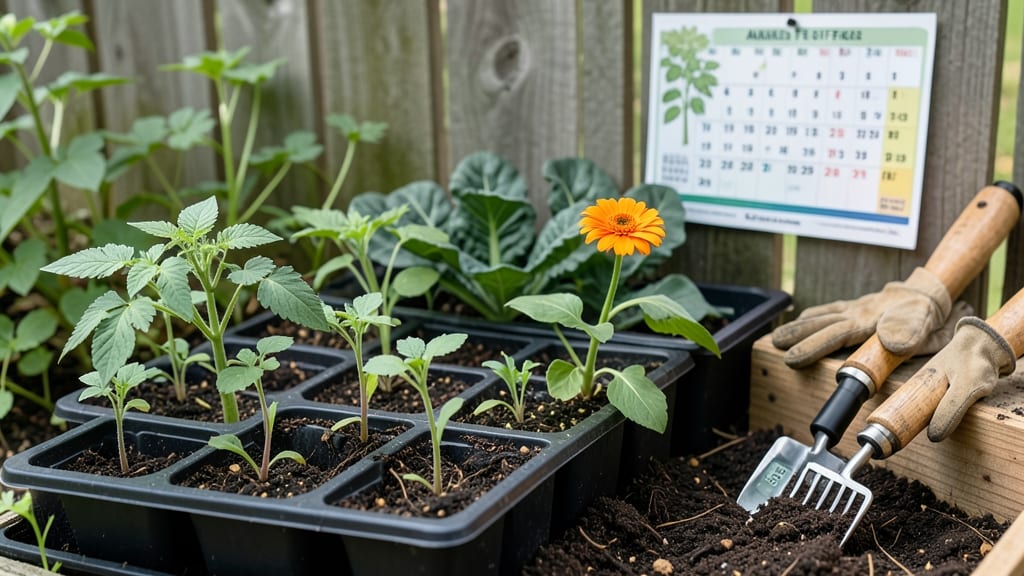
Planting a garden in Arkansas at the right time means the difference between a bountiful harvest and a sad, wilted disappointment.
Arkansas gardeners know timing is everything—plant too early and face frost damage, too late and miss peak harvests. But with the state’s diverse USDA zones (6-8), figuring out the perfect planting window can feel overwhelming.
Whether you’re growing cool-season 🌱 greens like lettuce or warm-season favorites like tomatoes, the key is understanding your zone’s last frost date. In northern Arkansas, that’s typically around March 15, while southern regions can start as early as February 20.
Below, I’ll break down the exact planting windows for every crop type, plus pro tips to stretch your growing season—so you can finally get those harvests you’ve been dreaming of.
Arkansas planting zones: exact dates for cool-season crops by region
Arkansas spans USDA Zones 6-8, creating distinct planting windows for cool-season crops like lettuce, broccoli, and peas. North Arkansas (Zones 6-7) has earlier last frost dates (March 15-April 1), while South Arkansas (Zone 8) enjoys longer growing seasons with later frosts (March 1-April 15).
These differences mean your planting timeline could vary by 3-4 weeks depending on location.
Cool-season crops thrive when soil temps stay below 70°F. In Arkansas, this typically means planting 6-8 weeks before the last frost for direct sowing. For transplants like cabbage or kale, aim for 4-6 weeks before frost.
Missing these windows risks bolting (premature flowering) or frost damage—both can ruin your harvest.
Here’s how to navigate Arkansas’s cool-season planting zones with precision, including exact dates for North vs. South Arkansas:
| Region | USDA Zone | Last Frost Date | Direct Sow Window | Transplant Window | Key Crops |
|---|---|---|---|---|---|
| North Arkansas | 6-7 | March 15–April 1 | February 20–March 15 | March 1–March 15 | Lettuce, Spinach, Peas, Broccoli |
| Central Arkansas | 7 | March 22–April 5 | February 28–March 22 | March 1–March 20 | Kale, Collards, Radishes, Carrots |
| South Arkansas | 8 | March 1–April 15 | February 15–March 15 | February 28–March 31 | Cabbage, Brussels Sprouts, Turnips, Arugula |
For North Arkansas gardeners, start spinach and peas as early as February 20 under row covers. These cold-hardy crops can tolerate light frosts, but avoid planting lettuce or broccoli before March 1—they’ll bolt in the chill. Use frost cloth to extend your season if needed.
In South Arkansas (Zone 8), you can push the envelope further. Brussels sprouts and cabbage thrive when planted in late February, giving them time to mature before summer heat sets in. Radishes, one of the fastest cool-season crops, can be sown every 2 weeks until April 15 for continuous harvests.
Pro tip: Check your local Arkansas Cooperative Extension Service for hyper-local frost alerts. Their frost risk maps often update weekly and can save your cool-season crops from unexpected freezes. Bookmark their planting calendar for real-time adjustments.
Don’t forget fall planting! Arkansas’s cool-season crops can also thrive in late summer. Aim to plant 60-75 days before the first frost (typically October 15–November 1 in North Arkansas, November 1–15 in South Arkansas). This gives you a second harvest before winter sets in.
For successive planting, try bush beans or turnips every 2-3 weeks from March to May. This ensures a steady supply without overwhelming your garden at once. Peas, another cool-season favorite, benefit from trellising—save space and improve air circulation to prevent disease.
If you’re new to Arkansas gardening, start with slow-bolting varieties like ‘Winter Density’ lettuce or ‘Blue Lake’ bush beans. These are forgiving for beginners and adapt well to Arkansas’s variable spring weather. Pair them with companion plants like carrots and onions to deter pests naturally.
Remember: Soil prep is key. Test your soil’s pH (ideal: 6.0–7.0)
Warm-season planting schedule: tomatoes, peppers, and beyond
Arkansas gardeners get two chances to grow warm-season favorites like tomatoes, peppers, and okra—spring and fall. The key is waiting for soil temperatures to hit 60°F+ consistently, which typically happens in mid-April to May for Zone 7 and March to April for Zone 8.
Fall plantings can start as early as August in southern Arkansas, giving you a second harvest before frost.
For spring plantings, I always test soil temps with a soil thermometer—warm-season crops like cucumbers and eggplants will bolt if planted too soon.
In Zone 7, aim for April 15-30 after the last frost date, while Zone 8 gardeners can start as early as March 15 in southern regions like Little Rock or Fort Smith.
- 🌱 Spring Planting: Wait for soil temps ≥60°F (use a thermometer!). Zone 7: April 15-30 | Zone 8: March 15-April 15
- 🌿 Heat-Tolerant Varieties: ‘Celebrity’ tomatoes, ‘Jalapeño M’ peppers, ‘Clemson Spineless’ okra (thrive in Arkansas heat)
- 💧 Mulching Tip: Apply 2-3" straw after planting to retain moisture and block weeds
- 🌡️ Fall Planting: Start 8-10 weeks before first frost (Zone 7: Aug 1-15 | Zone 8: Aug 15-Sept 1)
- ✂️ Pruning: Pinch tomato suckers to boost fruit production in late summer
Don’t overlook fall plantings, which can yield sweeter tomatoes and peppers as temperatures cool. In Zone 7, plant August 1-15 for a harvest before the November frost. Southern Zone 8 gardeners can extend this to September 1 in areas like El Dorado.
I’ve had great success with ‘Solar Fire’ peppers in fall—they handle cooler nights better than spring varieties.
For soil prep, I always mix in compost and a balanced fertilizer (10-10-10) before planting. Warm-season crops are heavy feeders, so don’t skimp! After transplanting, keep soil moist but not soggy—drip irrigation works best to avoid fungal diseases like blight, which thrives in Arkansas’s humid summers.
Pro tip: Use black plastic mulch in Zone 7 to warm soil faster in spring. It also suppresses weeds and keeps fruits clean. Just remember to remove it before fall plantings to avoid overheating new seedlings.
For containers, choose heat-tolerant varieties like ‘Patio’ tomatoes and place pots in full sun with self-watering bases.
With these timing tips, you’ll avoid the common mistakes of bolting seedlings or stunted growth. Arkansas’s warm seasons are short but sweet—plan ahead, and you’ll enjoy homegrown tomatoes from June to October! 🌱