
Planting
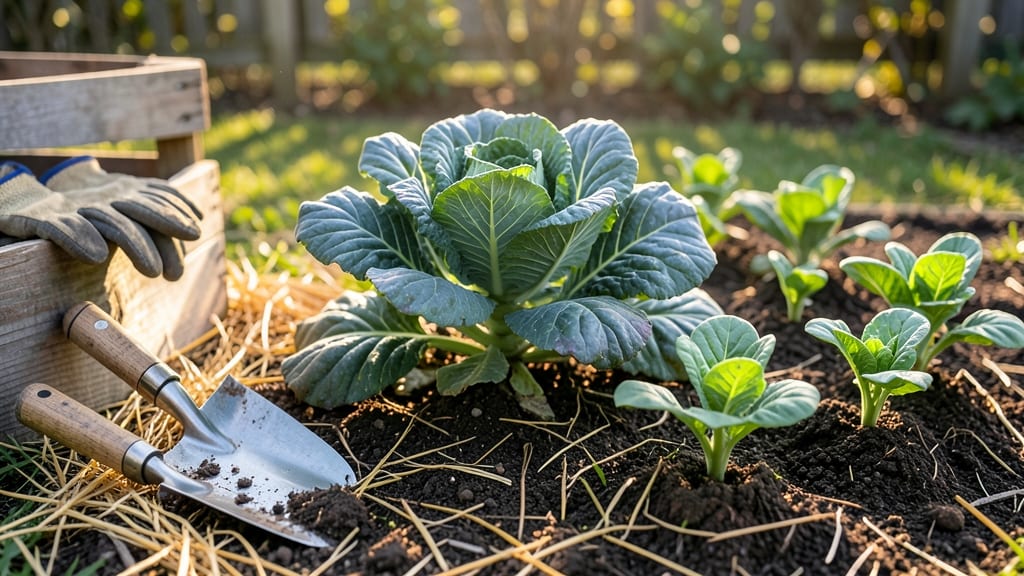
Planting a fall garden in Houston, Texas, starts mid-August to beat the heat and frost 🥬 — but the real secret is knowing which crops to pick and when to get them in the ground.
Houston’s long, hot summers can make fall gardening a challenge—but timing your plantings right lets you harvest fresh produce before the first frost. Learn exactly when to start your Houston fall garden and which heat-tolerant crops thrive in the Lone Star State’s unique climate.
Most Houston gardeners miss the window by planting too late, only to watch their seedlings wilt as temperatures drop. The key is working with the 4-6 week rule before your average December 1 frost, while still avoiding the brutal late-summer heat.
In this guide, I’ll walk you through the best planting timeline by month, the top 10 heat-tolerant fall vegetables for Houston, and how to extend your harvest using succession planting. No more guesswork—just a foolproof plan for a bountiful fall garden.
Best planting timeline for Houston fall gardens by month
Houston’s fall garden thrives when you plant at the right time—typically mid-August through early October. The key is beating the first frost (usually December 1) while avoiding late-summer heat stress. With USDA Zone 9a conditions, you can grow heat-tolerant crops like okra and sweet potatoes well into November.
Start with heat-resistant varieties in August to establish roots before temperatures drop. By September, shift to cooler-season crops like collards and kale, which handle Houston’s mild winters. Late plantings in October should focus on fast-maturing leafy greens and root vegetables to harvest before frost.
Here’s your month-by-month planting guide, tailored to Houston’s humid subtropical climate and soil conditions. Use this table to align your plantings with ideal temperatures and frost risks.
🌱
| Month | Planting Window | Best Crops | Soil Temp | Notes |
|---|---|---|---|---|
| August | Mid-August to late August | Okra, sweet potatoes, black-eyed peas, malabar spinach | 75-85°F | Start early to avoid heat stress; mulch to retain moisture. |
| September | Early to mid-September | Collards, kale, turnips, beets, carrots, lettuce | 70-80°F | Transplant seedlings; avoid direct sowing in extreme heat. |
| October | Early to mid-October | Spinach, radishes, broccoli, cabbage, green onions | 60-70°F | Fast-maturing varieties only; harvest before first frost. |
| November | Early November (limited) | Peas, garlic, winter lettuce (with row covers) | 55-65°F | Risky; use cold frames or row covers for protection. |
In August, prioritize heat-loving crops like okra and sweet potatoes, which can handle Houston’s lingering summer heat. Plant seeds 1-2 inches deep and keep soil consistently moist. Use mulch to regulate temperature and reduce water evaporation.
By September, temperatures drop enough to introduce cool-season crops. Transplant cabbage and broccoli seedlings instead of direct sowing, as soil temperatures remain warm. Harden off seedlings for 7-10 days before planting to reduce transplant shock.
October is your last chance for fast-growing crops like radishes and green onions. These thrive in cooler weather and mature quickly enough to harvest before the first frost. Avoid planting slow-maturing varieties like cauliflower, as they won’t finish in time.
If you’re tempted to plant in November, stick to cold-hardy crops like peas and garlic, and use row covers or cold frames to extend the season. Houston’s average first frost is December 1, but microclimates can push it earlier—monitor forecasts closely.
Pro tip: Succession plant fast-maturing crops every 2 weeks in September and October to ensure a continuous harvest. For example, sow radishes every 10 days for a steady supply. This strategy maximizes your garden’s productivity and reduces waste.
🌿
Don’t forget to amend your soil before planting. Houston’s clay-heavy soil benefits from compost and organic matter to improve drainage and fertility. Test your soil’s pH (ideal range: 6.0-7.0 for most vegetables) and adjust with lime or sulfur if needed.
Finally, keep an eye on pests like aphids and cabbage worms, which thrive in Houston’s humid fall weather.
Top 10 heat-tolerant fall vegetables for Houston’s climate
Houston’s fall transition brings relief from summer’s heat, but lingering warmth can still challenge gardeners. The key to success? Choosing heat-tolerant crops that thrive in USDA Zone 9a while preparing for cooler nights.
These 10 resilient vegetables balance heat resistance with frost tolerance, ensuring bountiful harvests from October through December.
Unlike traditional cool-season crops, these varieties handle Houston’s 85°F+ days while still maturing before the average first frost (December 1st). For example, okra and sweet potatoes flourish in residual summer heat, while collards and turnips handle the shift to cooler temperatures.
This dual resilience makes them ideal for Houston’s 4-6 week fall planting window (mid-August to early October).
At the top of my list is okra, a Houston staple that thrives in 90°F+ temperatures but matures quickly enough to avoid frost damage. Plant Clemson Spineless or Emerald varieties 60-90 days before your first frost for pods that stay tender and string-free.
Pair it with sweet potatoes, which handle Houston’s humidity and heat while sweetening as days shorten. Try Beauregard or Georgia Jet—both mature in 90-120 days and produce vibrant, disease-resistant tubers.
For leafy greens, collard greens and mustard greens are unbeatable. Georgia Southern collards, for example, tolerate light frosts while growing rapidly in 70-85°F conditions. Mustard greens like Southern Giant Curled add peppery flavor and bolt resistance in Houston’s unpredictable fall weather.
Both can be harvested 30-50 days after planting, giving you multiple cuts before winter sets in.
Don’t overlook turnips and beets, which handle Houston’s soil heat while storing well for winter. Purple Top White Globe beets mature in 50-60 days and produce sweet, crisp roots even in 80°F soil.
Similarly, Tokyo Cross turnips offer mild greens and edible roots that tolerate light frosts after harvest. Plant these 4-6 weeks before frost for best results.
Herbs like cilantro and dill also excel in Houston’s fall garden. Santo cilantro handles heat better than most varieties and bolts slowly in 75-85°F conditions. Bouquet dill, with its tall, productive stalks, thrives in full sun and can be harvested 45-60 days after planting.
Both add fresh flavor to fall dishes while requiring minimal care.
To maximize your Houston fall garden, focus on soil preparation and watering consistency. Amend beds with compost to improve drainage, and mulch with straw or pine needles to retain moisture during fall heat spikes.
Water deeply every 2-3 days in the morning to prevent fungal issues, and consider drip irrigation for container gardens. With these <