
Planting
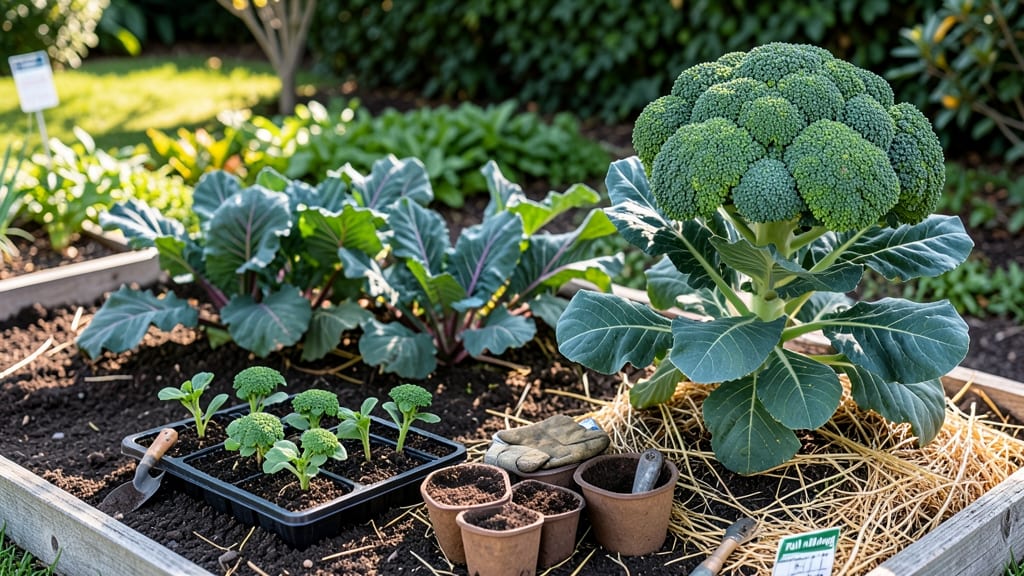
Planting your fall garden in North Texas between mid-August and mid-October ensures a bountiful harvest before the first frost 🌱 — but timing isn’t just about the calendar.
North Texas gardeners know timing is everything—plant too early, and your fall crops face scorching heat; too late, and frost ruins your harvest. But with precise planting dates, you can enjoy crisp greens, sweet potatoes, and homegrown herbs all season long—without a single frost-related setback.
This guide breaks down the exact dates for planting heat-tolerant vs. cool-season crops, adjusting for North Texas’ unique microclimates like Dallas, Fort Worth, and Wichita Falls. We’ll cover soil prep, last frost dates, and the top 5 fall crops that thrive in USDA Zone 8a.
Whether you’re a beginner or a seasoned gardener, you’ll learn how to extend your harvest well into December, even with North Texas’ unpredictable weather. Ready to grow a fall garden that outlasts the frost?
North Texas fall planting calendar: exact dates by crop type for maximum yield
North Texas gardeners face a unique challenge: scorching summer heat that lingers into early September and unpredictable early frosts that can arrive as soon as mid-November. The key to a thriving fall garden lies in planting heat-tolerant crops early and cool-season varieties at precise intervals to avoid frost damage.
Dallas, Fort Worth, and Wichita Falls all share similar USDA Zone 8a/8b conditions, but microclimates mean your last frost date can vary by up to 10 days between urban and rural areas.
To maximize your harvest, I’ve broken down planting windows by crop type and heat sensitivity, using soil temperature thresholds (ideal range: 60-75°F) and local frost data.
These dates align with North Texas’ average first frost of November 15, but I’ll show you how to adjust for early freezes or late heatwaves. For example, tomatoes and peppers can handle summer’s last blast, while broccoli and kale need cooler soil to thrive.
| Crop Type | Heat Tolerance | Planting Window | Soil Temp Threshold (°F) | Notes |
|---|---|---|---|---|
| Heat-Tolerant (Tomatoes, Peppers, Okra) | High | Late July - Early August | 70-85°F | Plant before 9/1 for harvest before frost |
| Moderate (Sweet Potatoes, Collards, Swiss Chard) | Medium | Mid-August - Late August | 65-75°F | Transplant seedlings after 8/15 for best growth |
| Cool-Season (Broccoli, Kale, Carrots, Lettuce) | Low | Early September - Mid-October | 55-65°F | Start indoors 8/1 for transplanting by 9/15 |
| Late Fall (Spinach, Radishes, Turnips) | Very Low | Mid-October - Early November | 50-60°F | Direct sow 10/15 for harvest before 11/15 frost |
| Herbs (Basil, Cilantro, Dill) | Medium | Late August - Early September | 60-70°F | Basil bolts in heat; cilantro thrives in cooler temps |
For heat-tolerant crops like tomatoes and peppers, the window is tight—you must plant by early August to harvest before the first frost. These plants can handle 90°F soil temperatures but will bolt or stop producing if nights dip below 55°F.
I recommend choosing heat-resistant varieties like ‘Celebrity’ tomatoes or ‘Jalapeño M’ peppers, which perform well in North Texas’ extended summer heat.
Cool-season crops, such as broccoli and kale, are far more forgiving but require soil temperatures below 75°F to
How to adjust planting dates for North Texas’ unpredictable weather patterns
North Texas’ USDA Zone 8a/8b climate throws curveballs—90°F heatwaves in September can smother fall crops, while unexpected freezes in October cut harvests short. The key? Flexible planting dates that account for soil moisture swings and microclimate variations between Dallas and the Panhandle.
I’ve learned to adjust my schedule by monitoring weekly weather forecasts and using row covers as insurance.
Start by calculating your average first frost date—typically November 15—then work backward. For heat-tolerant crops like sweet potatoes, plant by mid-August to avoid bolting. For cool-season veggies like broccoli, wait until mid-September when soil temps drop below 85°F.
But here’s the catch: Soil stays warm longer in urban areas like Fort Worth, so I plant 2 weeks later there than in rural areas.
North Texas often sees 90°F+ temps into October. If you plant leafy greens too early, they’ll bolt or wilt. Solution: Use shade cloth (30-50%) over seedlings until nighttime temps drop below 80°F. For root crops like carrots, wait until soil temps are consistently below 85°F—test with a soil thermometer at 4-inch depth.
For succession planting, I stagger lettuce and radish every 2 weeks from September 15 to October 15. This ensures a continuous harvest before frost. Pair this with drought-resistant varieties like ‘Texas Blue’ collards or ‘Cherokee Purple’ tomatoes, which thrive with minimal irrigation once established.
Mulch with straw or wood chips to retain moisture and regulate soil temps—critical during North Texas’ erratic rainfall.
Row covers are my secret weapon against early freezes. A floating row cover extends the season by 2-4 weeks by trapping 6-8°F of heat. Use it over broccoli, cabbage, and spinach planted in late September to protect them until mid-November.
Just remember to remove covers during the day in 90°F+ weather to prevent overheating.
Watering schedules also need tweaking. In September’s heat, water deeply every 3 days; by October, shift to every 5-7 days as temps drop. Install a soil moisture sensor to avoid overwatering, which leads to root rot in our clay-heavy soils.
For container gardens, use self-watering pots to maintain consistency.
Finally, rotate crops to break disease cycles. Avoid planting tomatoes or peppers in the same spot two years in a row—they’re prone to verticillium wilt in North Texas’ hot, humid summers.
Instead, follow tomatoes with beans or peppers with onions. This 3-year rotation keeps your soil healthy and your yields high, even with unpredictable weather.