
Planting
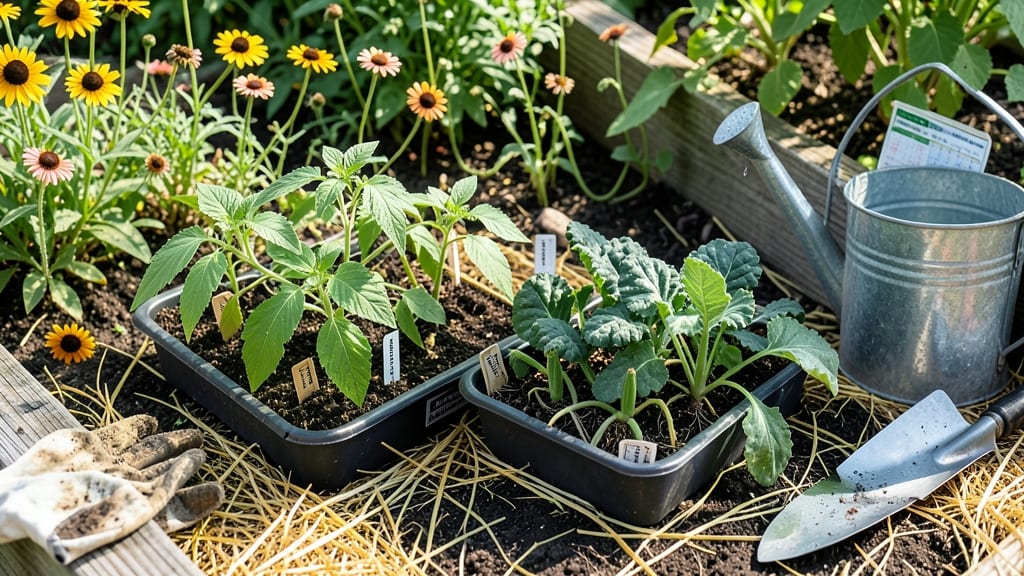
To plant a garden in Alabama, time your crops between late February and early April for spring and late August to early October for fall—when soil temperatures and frost risks align just right.
Miss those windows, and you’ll either face a late frost wiping out seedlings or swelter through summer with wilted greens. Alabama’s 7a-8b climate demands precision: North Alabama’s cooler pockets need earlier starts, while South Alabama’s longer growing season lets you push boundaries.
This guide breaks down the exact months by county, from Birmingham’s March 15 last-frost date to Mobile’s February 15 kickoff. We’ll cover heat-tolerant crops like okra (plant in May!) and cool-season greens that beg for early spring beds.
Ready to avoid the top 3 mistakes Alabama gardeners make? You’ll learn soil prep tricks, watering hacks for humidity, and how to stretch harvests through Alabama’s brutal July heat.
Alabama planting calendar by county: exact months for vegetables, herbs, and flowers
Alabama’s diverse climate—from the cool Appalachian foothills to the humid Gulf Coast—means planting times vary dramatically by county. North Alabama (like Madison or Marshall) has later frost dates, while South Alabama (like Mobile or Baldwin) can start planting weeks earlier.
Even within regions, microclimates near lakes or urban heat islands shift ideal windows. Below, I’ve broken down exact planting months for cool-season crops (like lettuce and broccoli) versus warm-season staples (tomatoes, peppers) to maximize your harvest.
For cool-season vegetables, aim to plant 4-6 weeks before your area’s last frost date. In North Alabama, this often means late February to early March, while South Alabama gardeners can start as early as mid-January.
Warm-season crops, however, need soil temperatures above 60°F—typically mid-April to May in the north and March in the south. Miss these windows, and you’ll risk stunted growth or bolted greens.
Here’s a county-by-county comparison of ideal planting windows, accounting for frost dates, heat tolerance, and local growing seasons:
| Region | Last Frost Date | Cool-Season Planting | Warm-Season Planting | Fall Planting Window |
|---|---|---|---|---|
| North Alabama (Madison, Marshall, DeKalb) | Mid-March | Late Feb - Early Mar | Mid-Apr - Early May | Late Aug - Early Oct |
| Central Alabama (Birmingham, Montgomery, Huntsville) | Early March | Late Jan - Early Feb | Late Mar - Mid-Apr | Early Aug - Late Sep |
| South Alabama (Mobile, Baldwin, Escambia) | Mid-February | Mid-Jan - Late Jan | Early Mar - Early Apr | Late July - Early Sep |
| Urban Heat Islands (Birmingham, Huntsville) | Early March (1-2 weeks later) | Early Feb - Early Mar | Late Apr - Early May | Late Aug - Early Oct |
In North Alabama, gardeners should prioritize late-February plantings for spinach, kale, and peas, as frost can linger until mid-March. Meanwhile, South Alabama’s longer growing season allows for two full harvests—spring and fall—with tomatoes and peppers thriving when planted in March and August.
For herbs like basil and cilantro, direct sow after your last frost, but avoid planting cilantro in summer—it bolts quickly in 90°F+ heat.
Pro tip: Use row covers to extend cool-season plantings in North Alabama by 2-3 weeks, or opt for heat-tolerant varieties like ‘Heatmaster’ tomatoes or ‘Malabar’ spinach for South Alabama’s intense summers. Soil temperature is your best guide—wait until it hits 60°F+ for warm-season crops, even if the air feels warmer.
For flowers like marigolds and zinnias, direct sow after your last frost—they’re heat-tolerant and bloom prolifically in Alabama’s climate. Perennials like lavender, however, should be planted in fall (September-October) to establish roots before winter. Adjust for elevation: Mountain counties (like Jackson or Marshall) may need to wait until April for warm-season crops, while coastal areas can start as early as February.
Don’t forget fall planting—it’s your second chance for a harvest! In North Alabama, aim for late August to early October for broccoli, carrots, and radishes. South Alabama can push this to early September, but avo
Heat-tolerant crops that thrive in Alabama’s climate (and when to plant them)
Alabama’s sweltering summers and humid heat might seem intimidating for gardeners, but they’re actually perfect for growing heat-loving crops. Plants like okra, sweet potatoes, and black-eyed peas don’t just survive—they thrive in these conditions.
The secret? Planting them at the right time and giving them the care they need to beat the heat.
For North Alabama (USDA zones 7a-7b), aim to plant these crops after April 15 when soil temperatures consistently stay above 65°F. In South Alabama (zones 8a-8b), you can start as early as March 15 for a head start on the growing season.
Both regions benefit from mulching to retain moisture and drip irrigation to deliver water directly to roots.
| Crop | Planting Window | Soil Temp | Water Needs | Harvest Time |
|---|---|---|---|---|
| Okra | April 15 - June 1 | 65°F+ | 1-2 inches/week | 70-90 days |
| Sweet Potatoes | March 15 - May 1 | 60°F+ | Deep weekly soak | 90-120 days |
| Black-Eyed Peas | April 1 - June 15 | 60°F+ | 1-1.5 inches/week | 60-75 days |
| Southern Peas | April 15 - July 1 | 65°F+ | Consistent moisture | 80-100 days |
Start by preparing your garden beds with compost-rich soil and a light application of fertilizer (10-10-10 works well). These crops love well-draining soil, so avoid heavy clay unless amended.
For okra, plant seeds ½ inch deep and thin seedlings to 12-18 inches apart. Sweet potatoes need loose, sandy soil—work in sand or perlite if your soil is dense.
Watering is critical during Alabama’s summer heat. Use drip irrigation or soaker hoses to deliver water slowly and deeply, keeping the soil consistently moist but not soggy. Morning watering is best to reduce evaporation and fungal risks.
For sweet potatoes, mound soil around the plants as they grow to prevent greening and improve harvest ease.
To extend your harvest, consider succession planting. For black-eyed peas, sow seeds every 2-3 weeks from April through June. This ensures a continuous supply of fresh pods. Okra also benefits from staggered plantings—start a new batch every 3-4 weeks for a longer harvest window.
Both crops handle heat better than many others, making them reliable producers even in Alabama’s 100°F+ temperatures.
Watch for pests like aphids and diseases such as powdery mildew, which thrive in humid conditions. Neem oil or insecticidal soap can help manage pests, while proper spacing and good airflow reduce disease risks.
With the right timing and care, these heat-tolerant crops will reward you with a bountiful, flavorful harvest all summer long.