
Planting
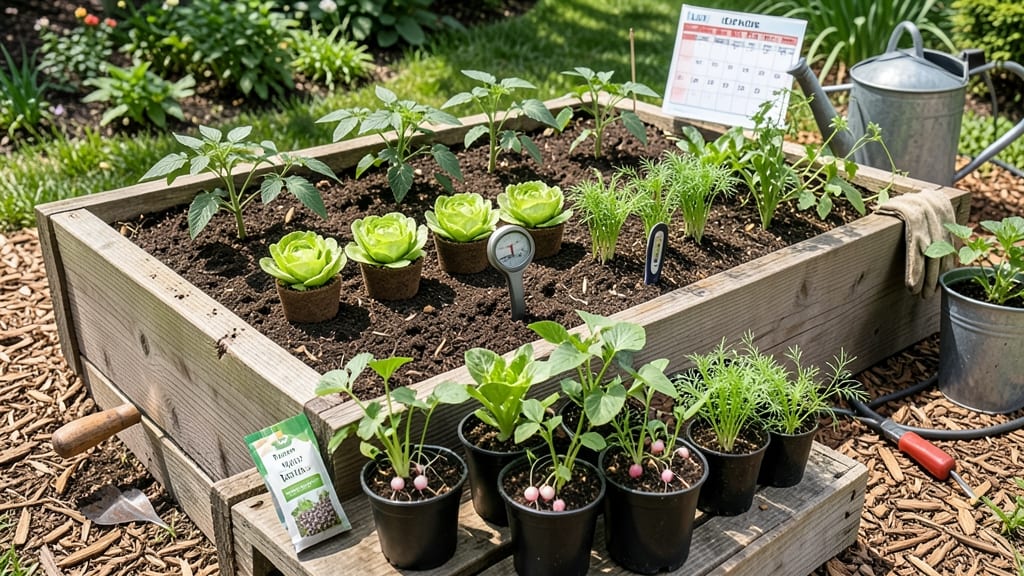
Planting a vegetable garden in Pennsylvania at the right time means the difference between a bountiful harvest and a sad, frost-nipped failure.
If you’ve ever watched your seedlings wilt under a late spring frost or seen summer heat arrive before your tomatoes set fruit, you know how quickly things can go wrong.
Pennsylvania’s climate varies wildly from its northern mountains to its southern plains, and getting the timing right is the key to success.
This guide breaks down the exact frost-free windows, soil temperature rules, and regional adjustments you need to plant with confidence—whether you’re in Philadelphia’s Zone 7 or the Poconos’ Zone 5.
We’ll cover when to start seeds indoors, when to transplant, and how to stretch your growing season with simple tricks.
By the end, you’ll know not just when to plant, but how to maximize every week of Pennsylvania’s growing season—so you can enjoy homegrown veggies from spring to fall.
Pennsylvania’s frost-free dates and soil temperature requirements by Zone
Pennsylvania spans USDA Hardiness Zones 5-7, creating a patchwork of planting windows. In Zone 5 (northwest PA), the average last frost arrives around May 10-20, while Zone 7 (southeast PA) sees frost-free conditions by April 15-May 5.
Understanding these dates—and soil temperatures—helps you avoid frost damage while maximizing harvests.
Your planting success depends on two critical factors: last frost dates and soil temperature thresholds. Cool-season crops like spinach and kale thrive when soil reaches 50°F, while warm-season favorites like tomatoes and peppers need 60°F+ to germinate.
Pennsylvania’s microclimates (urban heat islands, valleys, and hilltops) can shift these windows by 1-3 weeks, so local adjustments matter.
Below is a breakdown of frost-free dates, soil temperature requirements, and regional variations to help you plan. For example, Pittsburgh (Zone 6b) typically warms up faster than Philadelphia (Zone 7a), giving gardeners in the city an earlier start.
Always check local weather forecasts or use tools like the Penn State Extension’s frost date calculator for precision.
📌 Pro Tip: Use a soil thermometer ($10-$15) to verify temperatures before planting. Stick it in the ground at 4-inch depth—the depth where most seeds germinate—and monitor for 3-5 days to confirm consistency.
Here’s how Pennsylvania’s zones break down for planting:
| Zone | Last Frost Date | First Frost Date | Soil Temp for Cool Crops (°F) | Soil Temp for Warm Crops (°F) | Regional Notes |
|---|---|---|---|---|---|
| 5a (Erie, State College) | May 15–25 | October 5–15 | 50°F+ | 60°F+ | Cool, short season; use row covers. |
| 6a (Pittsburgh, Harrisburg) | April 25–May 10 | October 10–20 | 50°F+ | 60°F+ | Urban areas warm faster; plant warm crops by May 15. |
| 6b (Lancaster, Allentown) | April 15–April 30 | October 15–25 | 50°F+ | 60°F+ | Longer growing season; ideal for tomatoes and peppers. |
| 7a (Philadelphia, Reading) | April 1–April 15 | October 25–November 5 | 50°F+ | 60°F+ | Extended season; plant heat-loving crops by April 20. |
| 7b (Delaware Water Gap) | March 25–April 10 | November 1–10 | 50°F+ |
Best vegetables to plant by month in Pennsylvania (with frost risk timeline)Timing your vegetable garden in Pennsylvania isn’t just about the calendar—it’s about understanding your frost-free window and soil temperatures. Most of the state falls in USDA zones 5-7, meaning last frosts range from April 15 in the south to May 15 in the north. Cool-season crops like spinach and kale thrive when soil hits 50°F, while warm-season stars like tomatoes need 60°F+ to germinate. Succession planting is your secret weapon—sow lettuce every 2 weeks from spring to fall, and beans every 3 weeks after soil warms. This ensures a steady harvest instead of one big feast. My Pittsburgh garden yields the most when I follow this rhythm, and I’ve learned that late-July plantings of radishes still mature before winter sets in. 🌱 PA Monthly Planting Timeline
Don’t let late frosts catch you off guard—I’ve lost entire tomato plants in Pennsylvania’s Zone 6 when a May surprise frost hit. Check the National Weather Service for your county’s 10-year frost averages and adjust your schedule. For example, Philadelphia’s last frost is April 20, while Erie’s is May 10. Warm-season crops like peppers and eggplants need 80°F+ soil—wait until after June 1 in most of PA. I’ve had slow germination with cucumber seeds planted too early, so I now use seedling trays indoors starting in April and transplant after May 15. This 2-week head start makes all the difference. For fall harvesting, aim to plant broccoli and cauliflower by July 15 so they mature before first frost (typically October 15-30). Use row covers to push harvests 2-3 weeks later—I’ve extended my kale season into December with this trick. Pro tip: Keep a gardening journal to track your frost dates and soil temps. Over time, you’ll spot patterns—like how my Zone 6 garden gets a 10-day earlier last frost than the official average. Adjust your schedule yearly, and your harvests will thank you! 🌿 |