
Planting
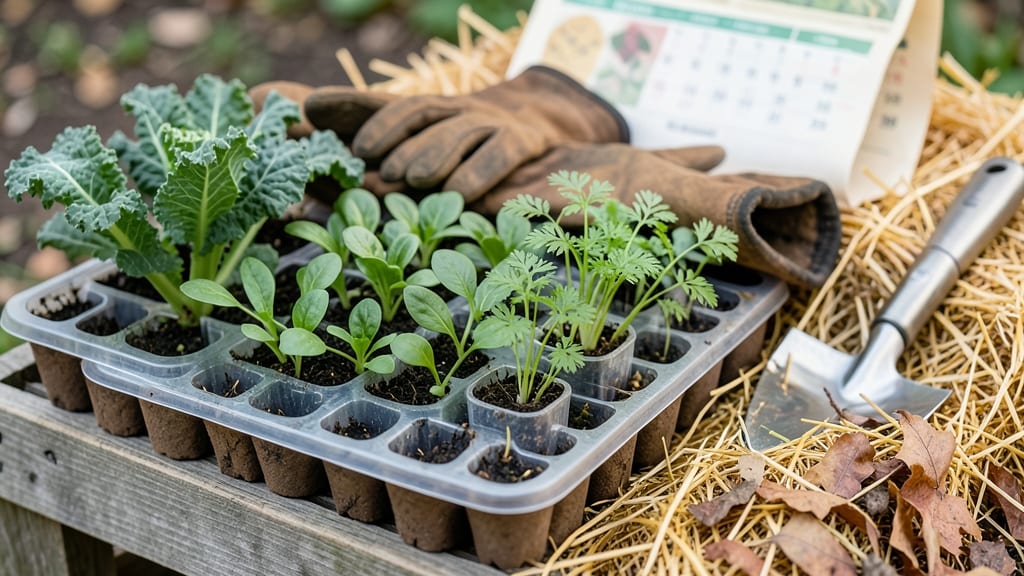
To plant a vegetable garden in NJ, aim for mid-April to late June or late July to early September, aligning with the state’s USDA Zones 6a-7b and frost-free windows.
New Jersey gardeners know timing is everything—plant too early and risk frost damage, too late and miss peak harvests. With 180-210 frost-free days, knowing the exact planting windows for each crop can mean the difference between a thriving garden and a disappointing one.
Cool-season crops like spinach and peas thrive when sown 4-6 weeks before your last frost, while warm-season favorites such as tomatoes and peppers need to wait until 2-3 weeks after the frost danger has passed.
Below, I break down the month-by-month schedule for NJ’s most popular veggies, plus pro tips for adjusting to microclimates and soil conditions—so you can grow a garden that’s as productive as it is delicious.
NJ planting deadlines by crop type: cool-season vs. warm-season vegetables
New Jersey’s USDA Zones 7a/7b offer a 180-210 frost-free days window, making precise planting timing critical. Cool-season crops like spinach and kale thrive in cooler temperatures, while tomatoes and peppers need warmth to flourish. Missing these deadlines can lead to stunted growth or complete crop failure—especially for heat-loving plants.
For cool-season vegetables, I start sowing 4-6 weeks before last frost (typically mid-March to early April). These hardy crops can handle light frosts, but planting too early risks bolting or poor yield. Meanwhile, warm-season crops must wait until 2-3 weeks after last frost (usually mid-May) to avoid frost damage.
Here’s a quick reference for NJ’s frost dates: The average last frost date is around April 15, while the first frost typically arrives November 1. However, microclimates—like coastal areas—can push these dates by 1-2 weeks earlier or later.
Use this summary-table to pinpoint exact planting windows for your NJ vegetable garden:
| Crop Type | Planting Window | Last Possible Planting | Notes |
|---|---|---|---|
| Cool-Season (Direct Sow) | Mid-March to early April | Late April (before bolting) | Spinach, kale, peas, lettuce |
| Cool-Season (Transplant) | Late March to mid-April | Early May (before heat stress) | Broccoli, cabbage, Brussels sprouts |
| Warm-Season (Direct Sow) | Mid-May to early June | Late June (for fast growers) | Beans, corn, cucumbers |
| Warm-Season (Transplant) | Late May to early June | Early July (extended season) | Tomatoes, peppers, eggplants |
| Fall Cool-Season | Late July to early August | Mid-September (6-8 weeks before frost) | Spinach, radishes, kale |
For cool-season crops, I prioritize early spring and fall planting. For example, spinach and peas can handle light frosts, but lettuce bolts quickly in heat. Start seeds indoors 6-8 weeks before last frost for a head start, or direct-sow 4-6 weeks before.
Warm-season crops like tomatoes and peppers need consistent warmth (above 50°F) to germinate. I always wait until mid-May to transplant seedlings outdoors, using row covers for extra protection if nighttime temps dip below 55°F.
Don’t forget about fall planting! Cool-season crops like kale and radishes can be sown as late as mid-September for a harvest before frost. This extends your growing season by 6-8 weeks and maximizes your garden’s productivity.
Pro tip: Use frost dates as your guide, but also monitor soil temperatures. Cool-season crops need soil temps below 75°F, while warm-season crops thrive in soil above 60°F. A soil thermometer is a game-changer for NJ gardeners!
If you’re new to NJ gardening, start with easy crops like bush beans or radishes, which have short growing seasons and forgiving planting windows. For advanced gardeners, experiment with succession planting to keep your harvests coming all season long.
Remember,
How to adjust planting times for NJ’s microclimates and soil conditions
New Jersey’s diverse geography—from coastal beaches to inland valleys—creates microclimates that can shift planting times by 2-3 weeks. Coastal areas like Cape May have milder winters and cooler summers, while inland regions like Sussex County experience warmer nights and faster soil warming.
Understanding these variations helps you extend growing seasons and avoid frost damage.
Soil conditions also play a critical role. Sandy coastal soils drain quickly but lack nutrients, while clay-heavy inland soils retain moisture but can become waterlogged. Testing your soil’s pH and drainage (aim for 6.0-7.0 pH and well-draining) ensures your crops thrive.
For example, tomatoes in heavy clay may need raised beds to prevent root rot.
- 🌡️ Coastal Areas: Plant warm-season crops like peppers and eggplants 2 weeks earlier (late April) due to cooler soils.
- 🏞️ Inland Valleys: Shift fall planting to early September for crops like kale and spinach, as frost arrives later.
- 💧 Soil Drainage: Amend heavy clay with compost and sand to improve aeration for root crops like carrots.
- ☀️ Sun Exposure: South-facing beds warm up 1-2 weeks faster than north-facing areas—ideal for early warm-season starts.
- 🛡️ Row Covers: Extend spring planting by 3-4 weeks using lightweight fabric to protect seedlings from late frosts.
Row covers are a game-changer for NJ gardeners. By placing floating row covers over seedlings in early spring, you can push back frost dates and plant cucumbers or squash as early as late April in inland areas.
Remove covers when plants flower to allow pollination. For coastal gardeners, this technique also protects from windburn and salt spray.
Elevation differences further complicate timing. Higher elevations (like the High Point area) experience earlier frosts and cooler soils, while lower elevations near the Delaware River stay warmer. Use local frost-free date maps (like those from Rutgers NJAES) to fine-tune your schedule.
For example, broccoli might be planted in early March in southern NJ but wait until mid-April in the north.
Don’t overlook soil temperature—it’s the real indicator for planting. Use a soil thermometer to confirm 50°F+ for warm-season crops like beans or 40°F+ for cool-season crops such as peas.
In sandy coastal soils, temperatures rise faster, while clay soils stay cooler longer. Adjust your planting dates accordingly to avoid stunted growth.
Pro tip: Keep a gardening journal to track microclimate effects in your specific yard. Note when tomatoes ripen or lettuce bolts—these observations will help you refine future planting schedules. With these adjustments, you’ll maximize your NJ garden’s potential, no matter where you’re located in the state. 🌱